Financing Models to Fuel Green Startups
From Angel Investors to public financing and venture capitalists, a deep understanding of different financing opportunities is critical for startups at all stages in order to ensure they can grow and reach their potential. In this panel, we’ll discuss several sources of financing for sustainable startups with experts from different perspectives.
Blue Economy: Living with the Oceans and from the Oceans
Our oceans give us food, well-being, materials, energy, and generate vast amounts of wealth – but the goods and services they provide will only be available as long as they’re in good health. Untold damage has been done in recent years, with around 50% of biodiversity lost. It’s time for the Blue Economy: a new industry where science, business and technology work together to restore the oceans, and an amazing growth opportunity in segments such as biotechnology, regenerative economy, and renewable energy.
Felix Finkbeiner | Interview | Why We Need a Trillion Trees
Planting billions of trees worldwide has great potential to tackle the climate crisis, as it’s one of the most efficient ways to capture CO2. In fact, one trillion trees could buy us up to 15 years to reduce our emissions to zero, while contributing to livelihoods and biodiversity. But is this feasible? How can we restore forests to keep temperature rise below 2Cº?
The Fight for a Pollution-Free Planet
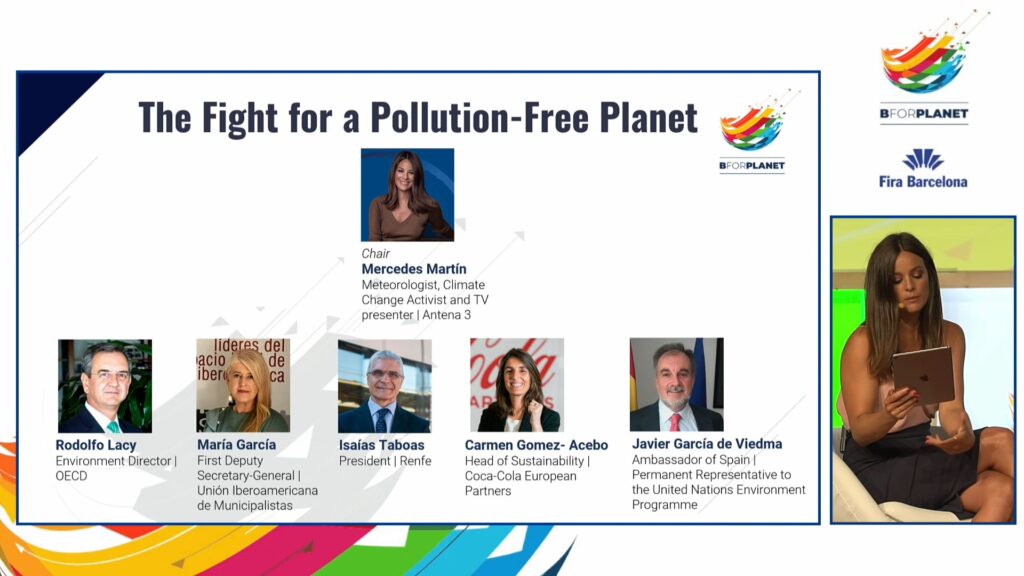
Pollution is a major problem for our health. There have been efforts made to tackle it on various fronts: new forms of urban transport, clean energy, responsible consumption… but is it enough? What’s left to be done? What opportunities can be grabbed to make sure everyone has a clean environment?
Gender Equality: a Must-Have for Economic Growth
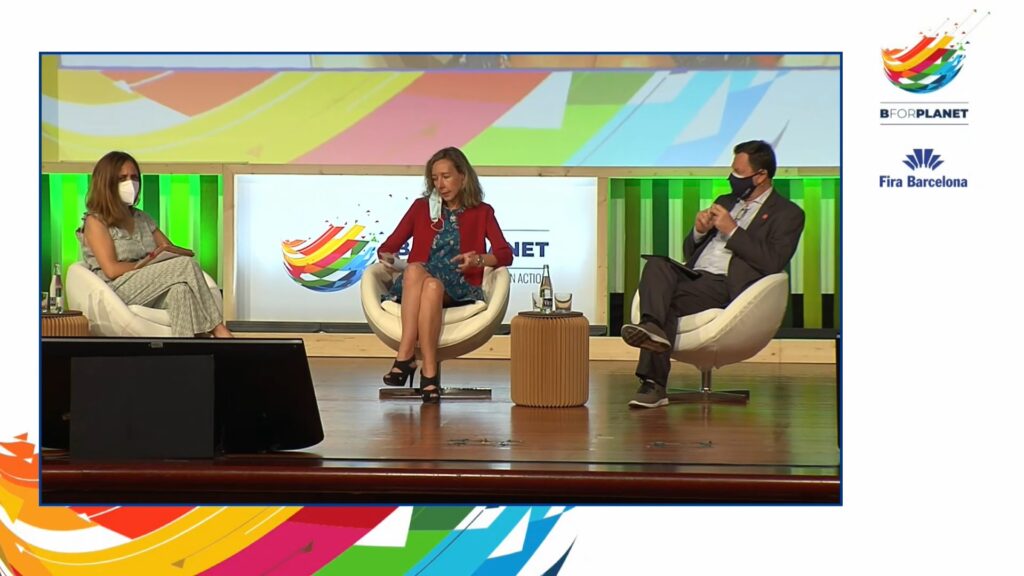
Beyond a huge social issue, gender inequality is a massive economic challenge. According to the EU, improving gender equality would increase the EU’s GDP per capita by 6.1 to 9.6%, create an additional 10.5 million jobs by 2050, and improve staff retention, access to talent, or opportunities for innovation. So how can we help close the gender gap and enable this economic growth?
What has made Copenhagen the green capital of the world?
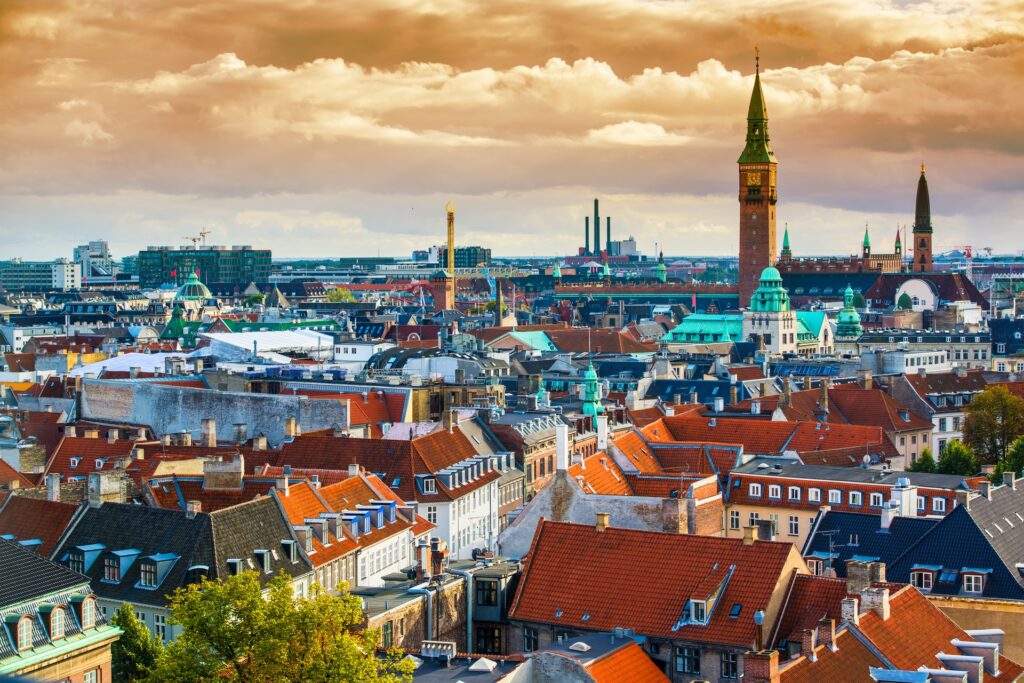
Copenhagen has maintained a strategy focused on adapting public spaces, fostering renewable energies and the rationalization of cleaner mobility. Authorities intend to neutralize 100% of the city’s polluting emissions by 2025, while taking into account that its urban population of 1.3 million will increase by 20%.
Safe Food and Water for All
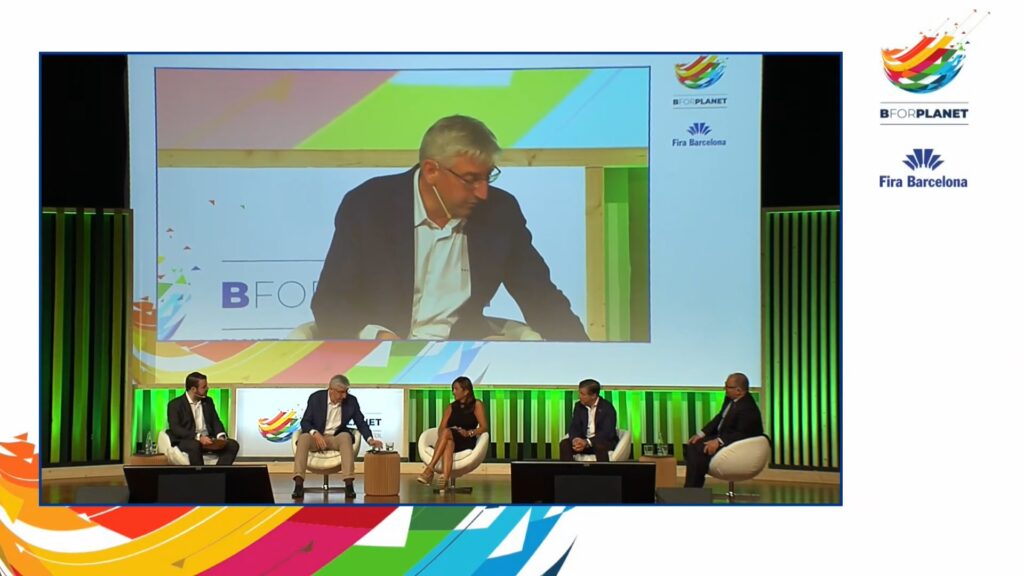
According to the World Health Organization, 1.1 billion people worldwide don’t have access to safe, clean drinking water. This naturally leads to major health concerns around food, too. To solve this problem, we need the input of experts from across different industries and sectors. Beyond the social and health benefits, what’s the positive economic and environmental impact of ensuring safe food and water for all?
Augusto López-Claros | Keynote Session | Lessons from COVID-19 and the Future of the SDGs
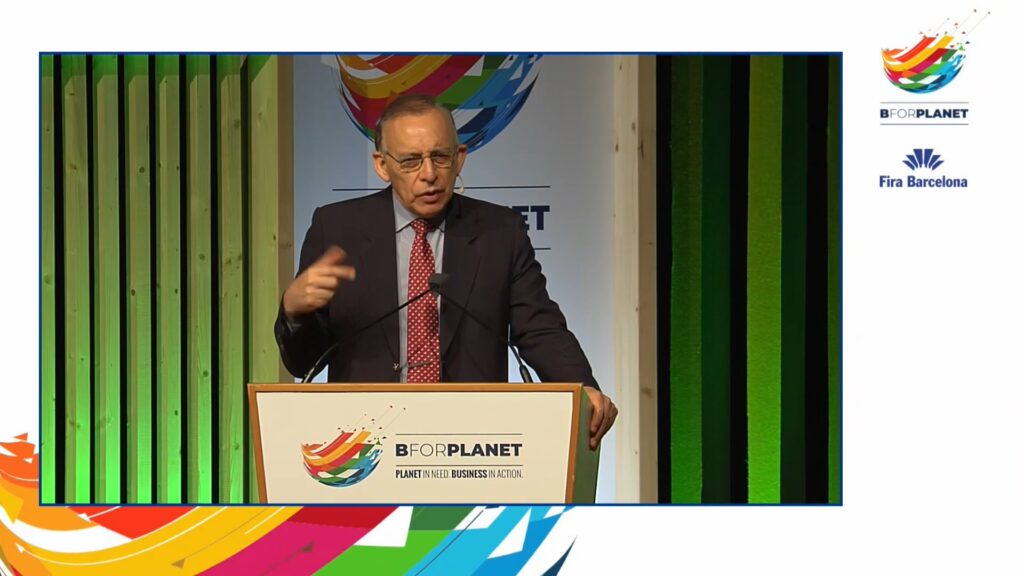
COVID-19 has been the most intense economic crisis since the Great Depression. It has reversed many of the development gains of the past 3 decades, including in the fight against extreme poverty. What are the lessons learned and why is it vitally important to build upon them to create a more sustainable, equitable world, with opportunity for all? And what are the likely costs of inaction as we confront global risks on multiple fronts?
Why Corporate Innovation Needs Transformation

Innovation needs transformation. Before taking action, however, we need to improve skills and alter processes to create change of real value. How can technological innovation be made to serve sustainable development? What are the best practices and sustainable developments at the service of the 2030 Agenda?
Laia Bonet | Inspirational Talk | New Economic 2030 Agenda through Innovation
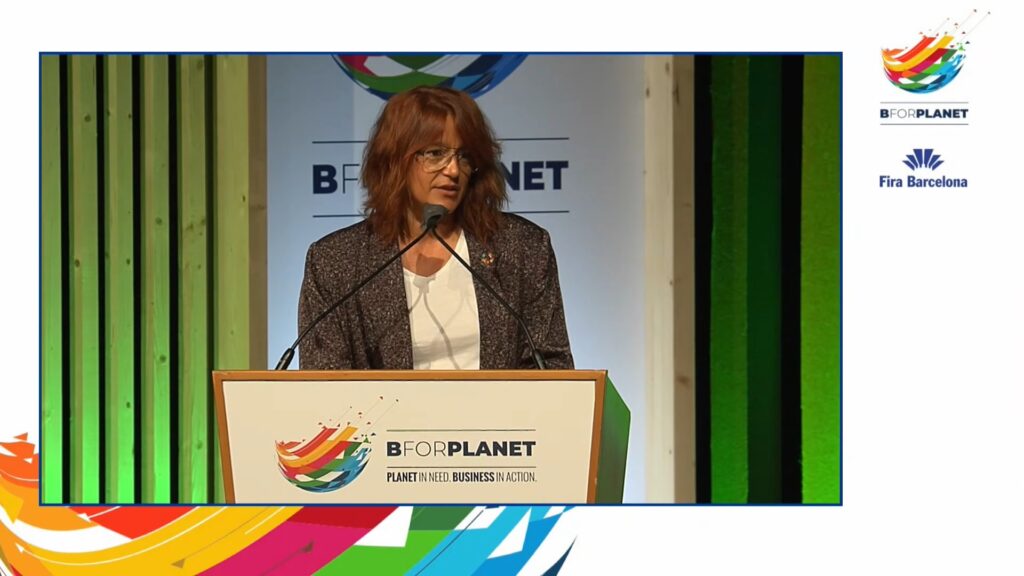
Barcelona is building up an economic strategy for the next decade based on innovation to achieve the SDG Goals and to make the city able to adapt to challenges such as the ecological and digital transitions which have been speeded up by the pandemic.