



Table of Contents
Author | Tania Alonso The crisis caused by COVID-19 has once again highlighted the educational inequality faced by students in all regions of the world. Some are obvious, such as those concerning access to teaching material, technology or internet. Others are not so obvious, but can have serious consequences. They are, for example, access to regular meals or a safe environment.According to the United Nations Development Program (UNDP), the pandemic may reverse human development at a global level (calculated using educational and health factors and living conditions) for the first time since 1990. Numerous countries, both rich and developing countries, are already recording setbacks in fundamental aspects such as education.
COVID-19 impact on the digital divide in education
From one day to another, schools and education centers around the world were forced to close their doors. According to the UNDP, this has resulted in 60% of children not receiving any form of education, a figure that places the global “out-of-school rate” at levels not seen since the 1980s.In these cases, children and adolescents’ education depends almost entirely on their families who, very often, do not have the availability or capacity required to support them. Children are also finding themselves limited in the acquisition of transversal competences that are also acquired in classrooms, such as sociability or communication skills.Closing schools can lead to other problems that go beyond the academic aspects and which affect students in developed and developing countries. “A staggering 310 million schoolchildren, nearly half of the world’s total, rely on school for a regular source of daily nutrition”, according to the UN Secretary General, Antonio Guterres. He also points out that, when children stay at home, they are at greater risk of problems such as domestic abuse.
Another divide: technology
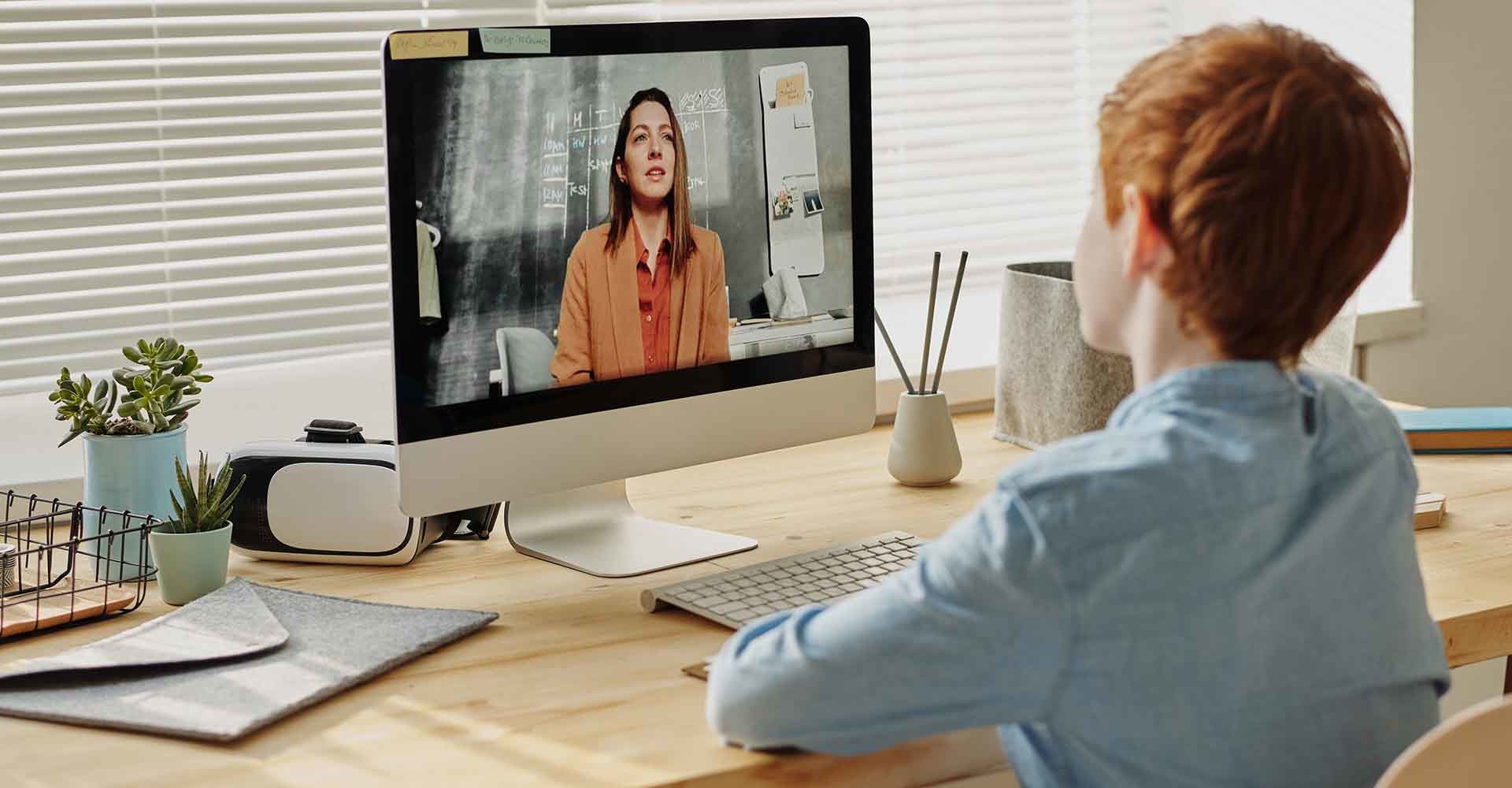
The solution adopted by many states to combat the educational challenges was to opt for online teaching. However, the tools and resources required are not available to everyone.
Differences within schools
Internet access and access to electronic devices such as computers, tablets or mobile phones, has been the first obstacle that millions of students have stumbled upon in order to follow online teaching. The simple fact of living in rural areas, without access to the internet, or having to share a device with other members of the family, make it difficult if not impossible to follow the classes.Apart from this limitation, there are also difficulties in understanding and using the tools, communicating with teachers or answering questions.
Educational inequality between countries
The UN estimates that the consequences of the pandemic will be far greater in developing countries than in richer countries. There is also a risk of widening the existing divide between states.In various regions of the world, online teaching is not even an option. In others, slow or costly connections clearly jeopardize children and increase educational inequality.“The crisis shows that if we fail to bring equity into the policy toolkit, many will fall further behind. This is particularly important for the new necessities of the 21st century, such as access to the internet, which is helping us to benefit from tele-education, tele-medicine, and to work from home, said Pedro Conceição, director of the Human Development Report Office at UNDP.Trying to reduce this inequality is not as hard as it may seem: the UN estimates that closing the digital divide in low- and middle-income countries is estimated to cost just one per cent of the extraordinary fiscal support packages the world has so far committed to respond to COVID-19 Images | Julia M Cameron, Namu Keeling