Table of Contents
Author | Elvira Esparza
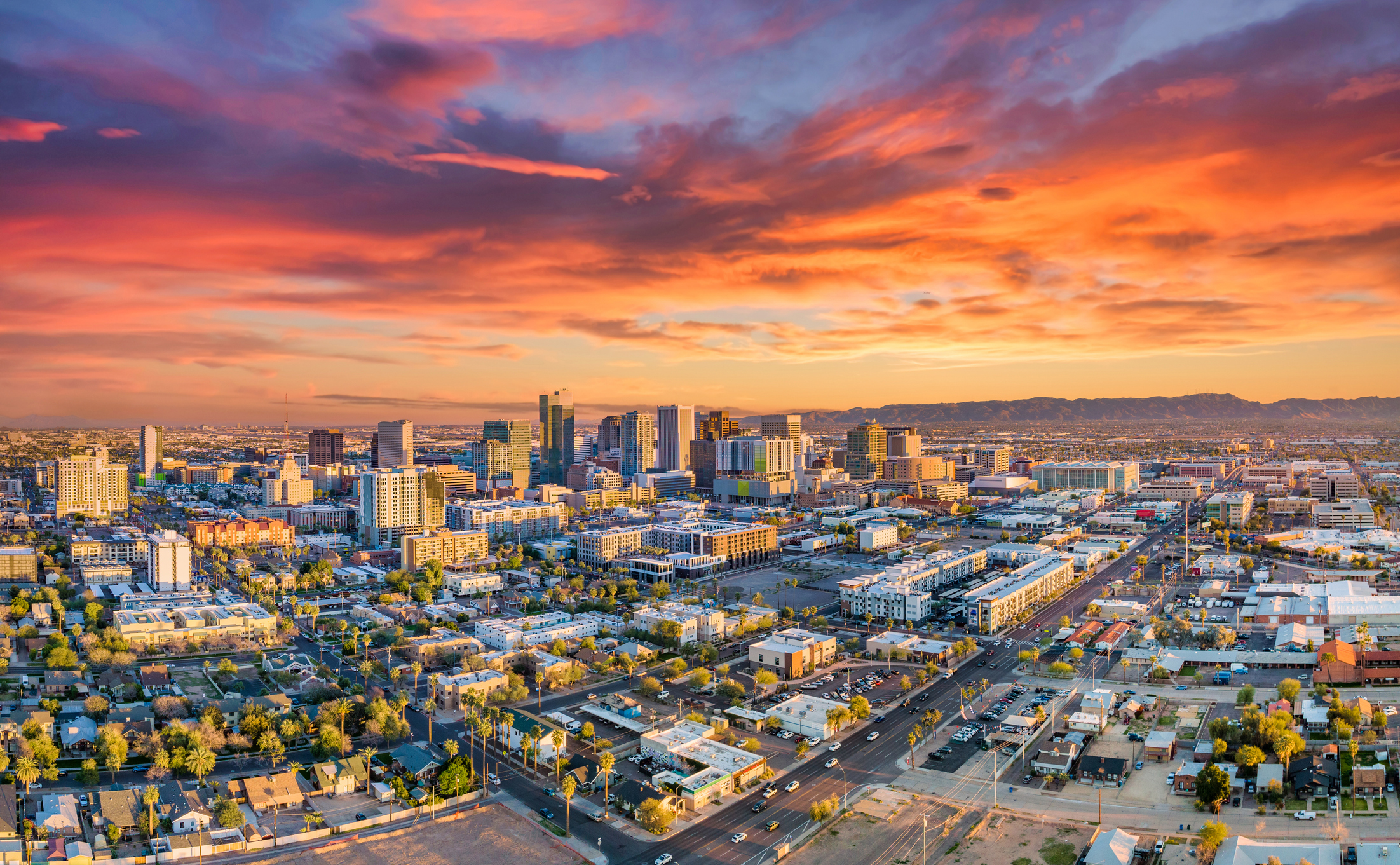
San Francisco is famous for its steep streets, its bay and the famous Golden Gate Bridge. Its geographic location has been a determining factor in its design, because, apart from the danger of earthquakes, given its proximity to the San Andreas fault, large parts of the city are built on unstable land. These circumstances have meant that construction must adhere to certain standards, otherwise the buildings will gradually sink.
The origin of San Francisco: Gold rush and earthquake
San Francisco did not form part of the United States until 1848. It was then that the city was inundated by settlers attracted by the Gold Rush.
The city’s urban development during the following decades came to an abrupt halt after the 1906 earthquake and the subsequent fires that destroyed 80% of the city. It left half of the city’s residents homeless. However, a few years later, in 1920, the city was rebuilt.
The city’s most emblematic monuments were built during the 1930s and 1940s, including the Golden Gate Bridge and the Alcatraz prison. The neighborhoods in the western part of the city were then redesigned, the city center was filled with skyscrapers and the city became the center of the counter-culture movement.
Today San Francisco is the technology, financial and cultural center of California, but with a very different image to that of New York.
What are the main challenges associated with San Francisco’s topography?
The city is situated on a peninsula between the Pacific Ocean and the San Francisco Bay. It has more than 50 hills, which are home to its many neighborhoods. A significant portion of the city’s land is mountainous, made up of solid rock, but there are areas formed by soft soil and artificial fill.
The population of San Francisco increased quickly during the Gold Rush era, and the city had to grow rapidly to accommodate the new residents. During this period, a land reclamation process began, consisting of filling all types of areas covered by water and marshes along the coastline with earth, rock sand and rubble, in order to expand its territory. This process mainly took place in the Yerba Buena Cove district, South of Market (SoMa) and the Marina neighborhood.
The risks of building on such unstable ground were widely known, but did not become dangerously evident until the 1989 Loma Prieta earthquake, when part of the soil liquefied. Structural damage to buildings in the Marina district was extensive, compounded by fires caused by ruptured gas mains. The earthquake caused the collapse of seven buildings and sparked fires on another four, resulting in the death of four people.
Infrastructure problems caused in this district were so severe that the firemen could not even use the fire hydrant system, having to resort to a fireboat in order to spray the buildings from the sea.
Another significant problem, and perhaps the least known about San Francisco’s land, is that beneath its streets lie the remains of many ships dating back to the Gold Rush period. This ships were run aground on the original coast prior to the land reclamation and were used for other purposes before being partially destroyed by a huge fire at the end of the 19th century. In some cases they were even sunk maliciously in order to claim ownership of the land below the wreckage, because, as is the case today, the value of land in San Francisco was so high that people would use all types of schemes to claim pieces of land.
Now of interest to archaeologists, these ships pose another problem to the stability of the surface. The city’s expansion took place partly by piling earth on top of these ships, with all that this entails.
Reclaiming land from the sea: construction challenges
This expansion of the city by reclaiming land from the sea, posed a significant challenge for construction projects in terms of the stability of the land. This soft land is susceptible to the liquefaction phenomena, which is when sediment loses strength through water saturation and behaves like a liquid, causing damage to buildings. In San Francisco there is a risk that these soft areas of land will function as unstable sand in case of an earthquake. In fact, a report by the city’s authorities indicates that more than 3,000 buildings could collapse in the event of a major earthquake.
To avoid these problems, construction projects must follow precise engineering techniques designed to improve the stability and safety of buildings constructed on artificial fill placed over the soil. Other techniques used include:
- Deep foundations to provide a solid base capable of withstanding ground movement during an earthquake.
- Soil improvement by injecting gravel or dynamic compacting to enhance the load-bearing capacity and reduce the risk of settlement.
- Earthquake-resistant construction systems that include buffer systems in the event of earthquakes.
- Innovative materials such as high-performance concrete or materials capable of improving the resistance of structures.
Land instability issues

An example of the problems associated with building on unstable land in San Francisco is the Millennium Tower. A 58-story skyscraper with more than 400 luxury condominium units that has sunk more than half a meter since it was built in 2009. This has come as a surprise since the project’s engineers predicted it to settle just 15 centimeters over the structure’s entire lifetime. To solve this issue, in 2021 they began installing piles into the bedrock to anchor the building and stabilize the structure.
This case has been decisive in changing the city’s construction systems. San Francisco has implemented a city resilience plan with measures to reduce the impact of earthquakes.
Images | Amogh Manjunath Dominic Bieri
Tomorrow.Building World Congress (7-9 November 2024, Barcelona) is the new global event empowering the green and digital transition of buildings and urban infrastructures. Celebrated in parallel with the Smart City Expo, it’s a sector-focused summit gathering the most forward-thinking brands and experts disrupting urban construction. Discover more here.