



Table of Contents
Author | M. Martínez Euklidiadas
Over the past century, the way in which city surfaces have been paved has led to local flooding and prevented water infiltrating into the ground. Pervious concrete is a solution worth studying to avoid scenarios of cities sinking due to a lack of groundwater.
What is pervious concrete?
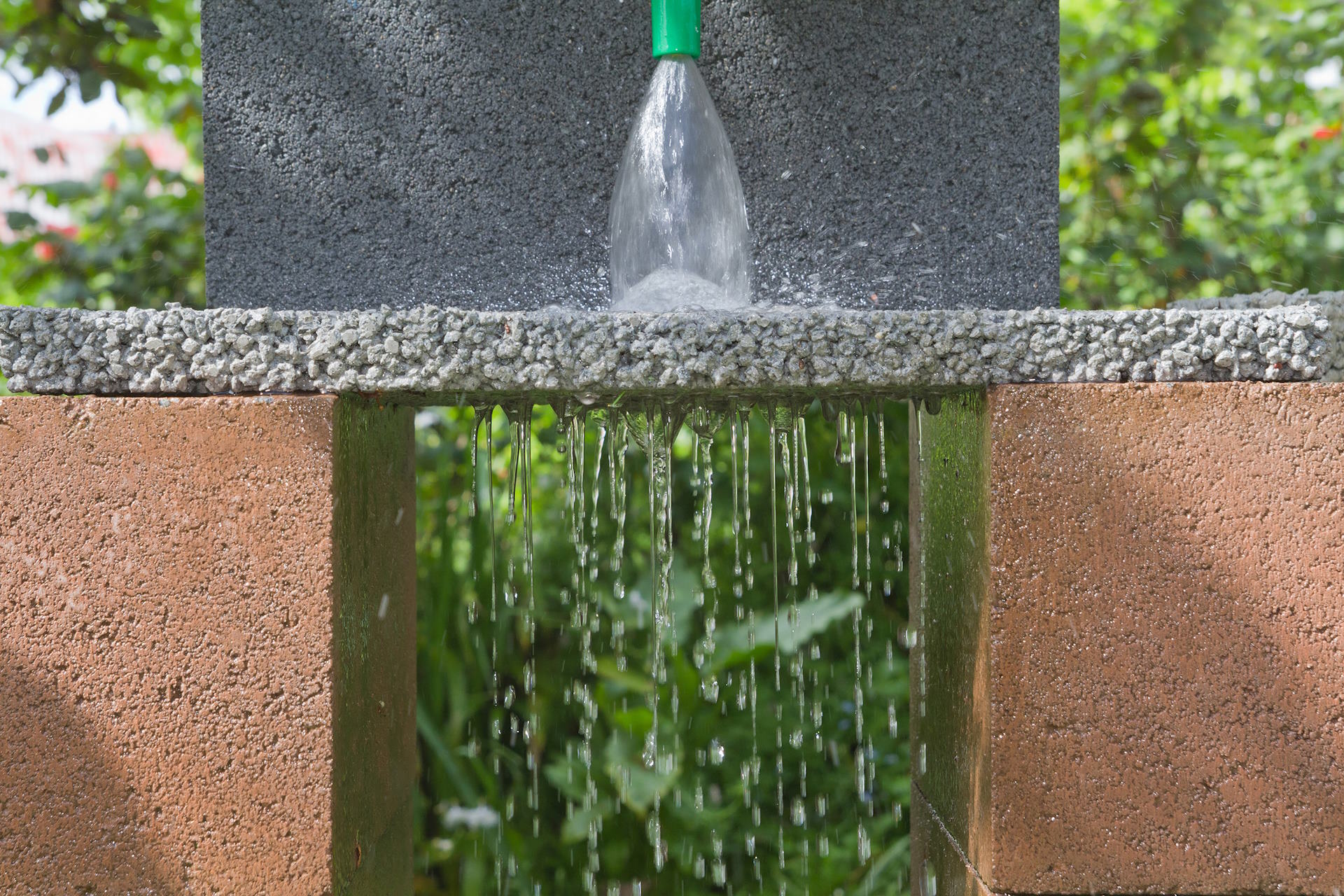
Pervious concrete is a type of porous concrete, i.e., it has internal holes or crevices (with a void content between approximately 15% and 25%), which allows water to flow through the material via these spaces, without having to be pumped. All that is needed is the force of gravity.
For what is pervious concrete used?
Given that it allows water to permeate, the main use of pervious concrete is to facilitate infiltration and make urban drainage easier, capturing the surface runoff. However, without replacing the soil, which behaves even better.
Areas with vegetation such as tree pits, and even areas that simply have soil, are better at infiltrating water into the subsoil, although less convenient for walking, cycling, or driving light vehicles.
Some errors when laying pervious concrete

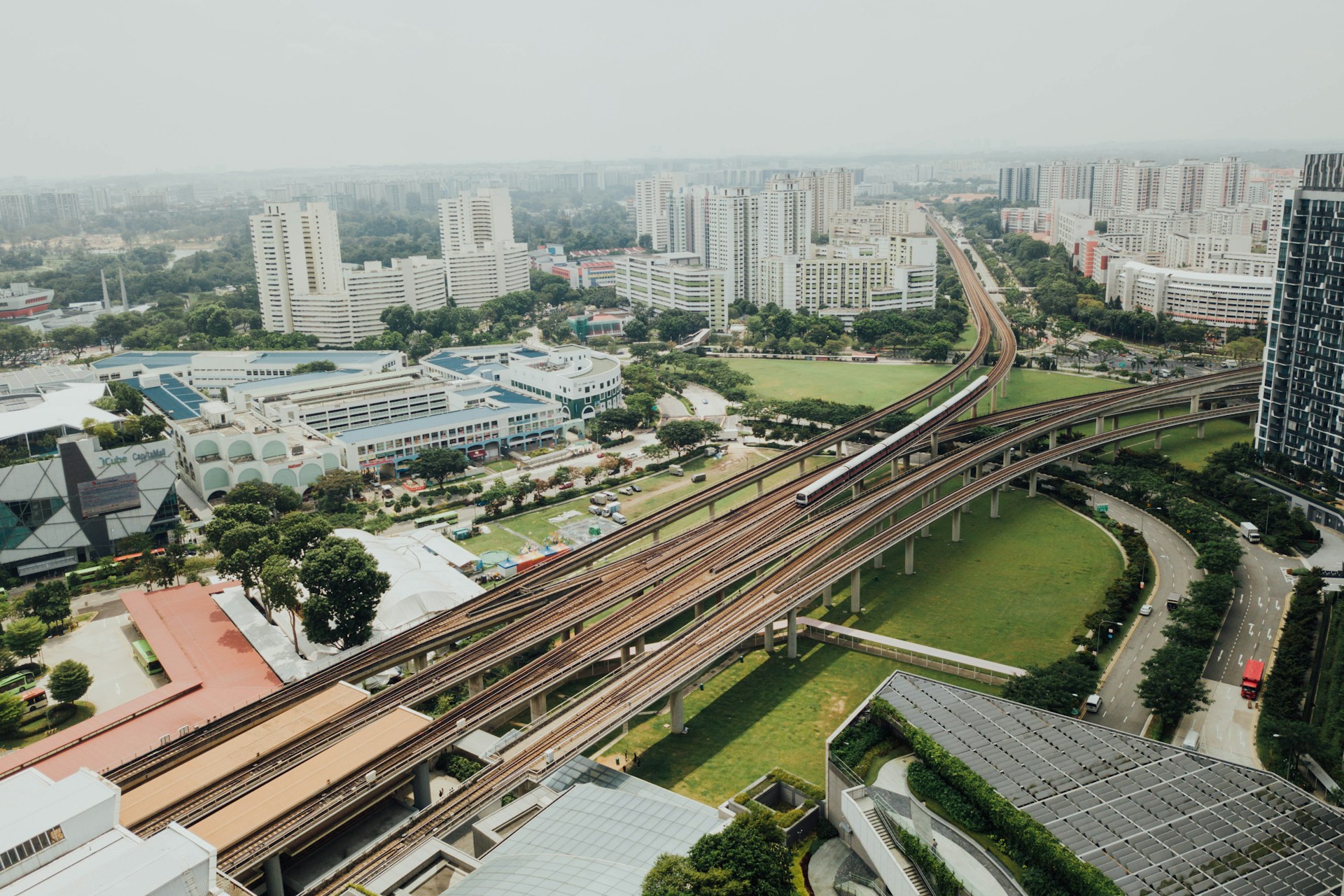
The image shows four urban streetcar lines. In areas where people walk or use other vehicles, it makes sense to use pervious paving. But it is not necessary in areas only used by streetcars and can be used as a distributed green area.
In fact, pervious concrete does not replace soil and the installation of the same in tree pits ends up suffocating its microbiome and plants break up the material by growing through it.
These solutions are not recommended in cold climates and those in which nighttime temperatures drop below freezing point, because the ice expands and breaks up the material (a process known as gelifraction or frost weathering.
How is pervious concrete made?
Conventional concrete is made using Portland cement, water, coarse aggregates (stones, gravel) and fine aggregates (sand, ash), and the latter is barely used to make pervious concrete.
Therefore, as fine aggregate is not used to fill the gaps, the result is a long-lasting porous material, fairly resistant to compression (although practically not at all to tensile strength).
Is pervious concrete more sustainable than conventional concrete?
Pervious concrete in itself is not more sustainable than conventional concrete or low carbon concrete, but it does allow a more sustainable use of the final surface. A pervious sidewalk is more sustainable than one that prevents the infiltration of water. But the final sustainability achieved with this material will depend on how it is integrated with other solutions.
For example, in a tree lined street, conventional concrete may seal the edges of buildings to prevent humidity, while also permeating the edges of green areas with porous concrete, enabling water to reach green areas.
This type of concrete can also be used in areas in which the mixed use of the same does not allow for areas covered with soil, but in which water does need to be cleared, such as a square with a hard surface, areas in which street markets are held, car parks, etc.
Pervious concrete is a material that cities are going to need, and which may be used to replace a considerable amount of the existing concrete.
Images | JJ Harrison, Marcos Martínez (Public Domain)