



Author | Lucía Burbano
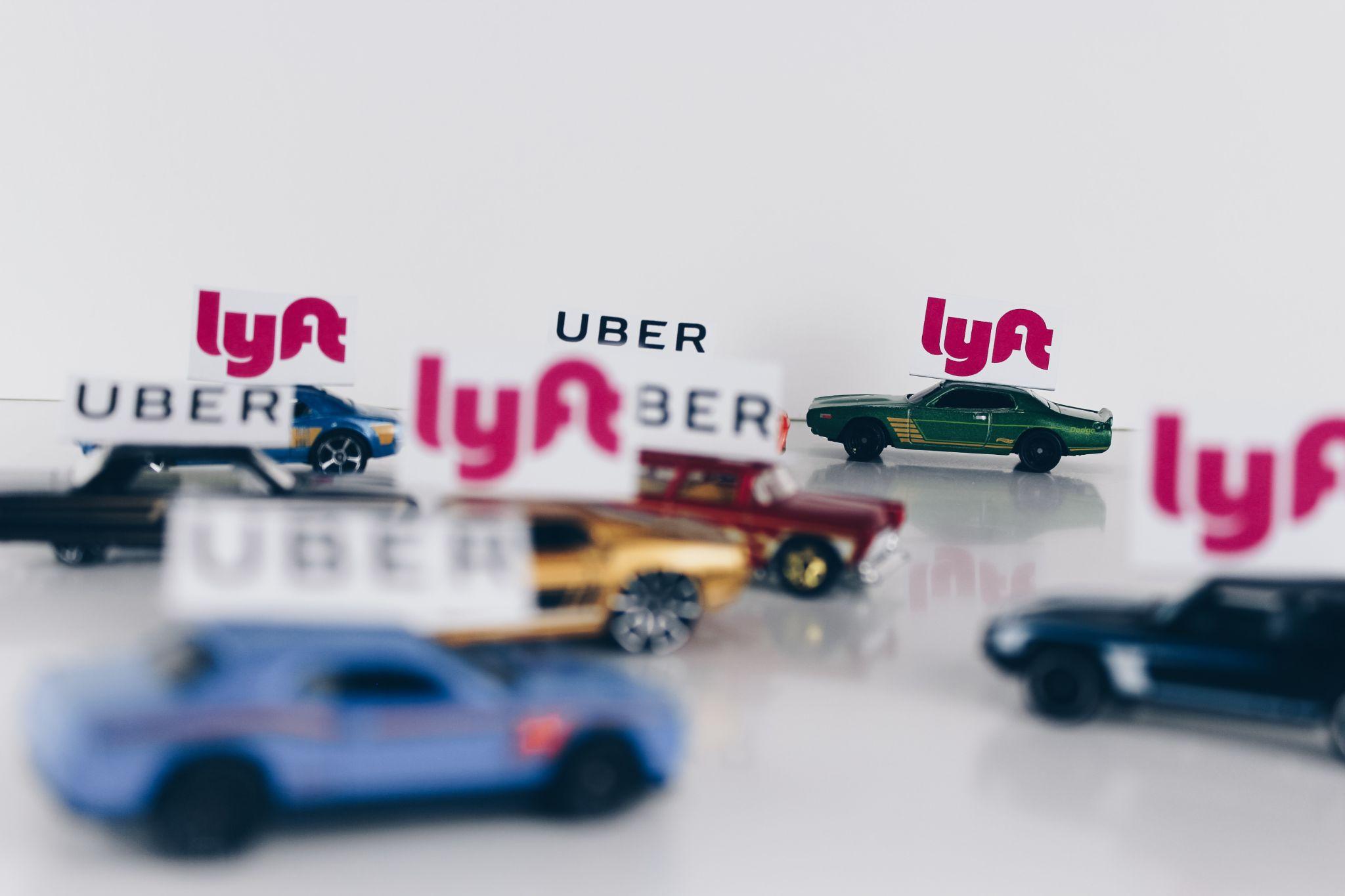
New York City will require Uber and Lyft to electrify their fleet of more than 100,000 vehicles by 2030 if they want to continue operating in the city. Although the decision has been well received by both companies, it does involve a series of measures, for both owners of the vehicles and for the city itself. Is this challenge achievable?
Why do Uber and Lyft have to electrify their fleet of vehicles?
To cut greenhouse gas emissions. This is the aim of Eric Adams, the Mayor of New York for 2030. This strategy, which includes, for example, electrifying up to 200 public buses by 2025, also applies to Vehicles for Hire (VFH). Specifically, the two companies that operate in the city, Uber and Lyft.
Adams stated that the city will have the charging infrastructure required in its five districts to help accommodate the fleet of vehicles, although he has not disclosed any more specific details yet.
Mobility is one of the lines of business of Uber Technologies, Inc., which also has a food delivery service, a package delivery service, freight transport service and the rental of e-bikes and scooters in association with Lime.
Josh Gold, the company’s senior director of public policy & communications, recently said "We applaud the Mayor’s ambition for reducing emissions, an important goal we share".
Lyft, in turn, connects drivers and users of shared vehicles via an app. Paul Augustine, its sustainability director, said in a statement "New York’s commitment will accelerate an equitable city-wide transition to electric. We’re eager to collaborate with the Taxi and Limousine Commission (TLC) on an ambitious plan for a rideshare clean mile standard".
Do Uber and Lyft already have electric vehicles?
Uber and Lyft themselves have joined the effort to decarbonize transport in New York, offering their respective drivers incentives to change to electric vehicles. This includes implementing a new policy that will allow drivers of zero emission vehicles to charge their passengers higher fees. Prior to the announcement by Adams, both companies had already made public their intention to be totally electric also by 2030.
Lyft is working on extending the availability of electric vehicles through Express Drive, a car rental affiliate program. As an incentive, the company claims that drivers will save on expenses by cutting fossil fuel costs and benefit from flexible rentals.
Uber’s Green Future program consists of a series of resources valued at $800 million to help hundreds of thousands of drivers transition to electric vehicles by 2025 in Canada, Europe and the USA.
The impact of electric vehicles in cities

Many countries see the electrification of public and private vehicles as the answer to decarbonizing mobility, along with public and private incentives. Various European countries including Spain, Portugal and Germany offer incentives on the purchase of these vehicles such as vehicle registration tax or road tax exemptions.
Another measure are Low Emission Zones (LEZ), which restrict access for the most polluting vehicles to certain areas of the city. The list of cities that have adhered to this measure include Peking, Antwerp, Tokyo, Oslo or London.
In fact, electric vehicle sales doubled in 2021, reaching a new record of 6.6 million units, nearly 10% of global car sales.
Photographs | Unsplash/Thought Catalog, Unsplash/ Michael Fourset