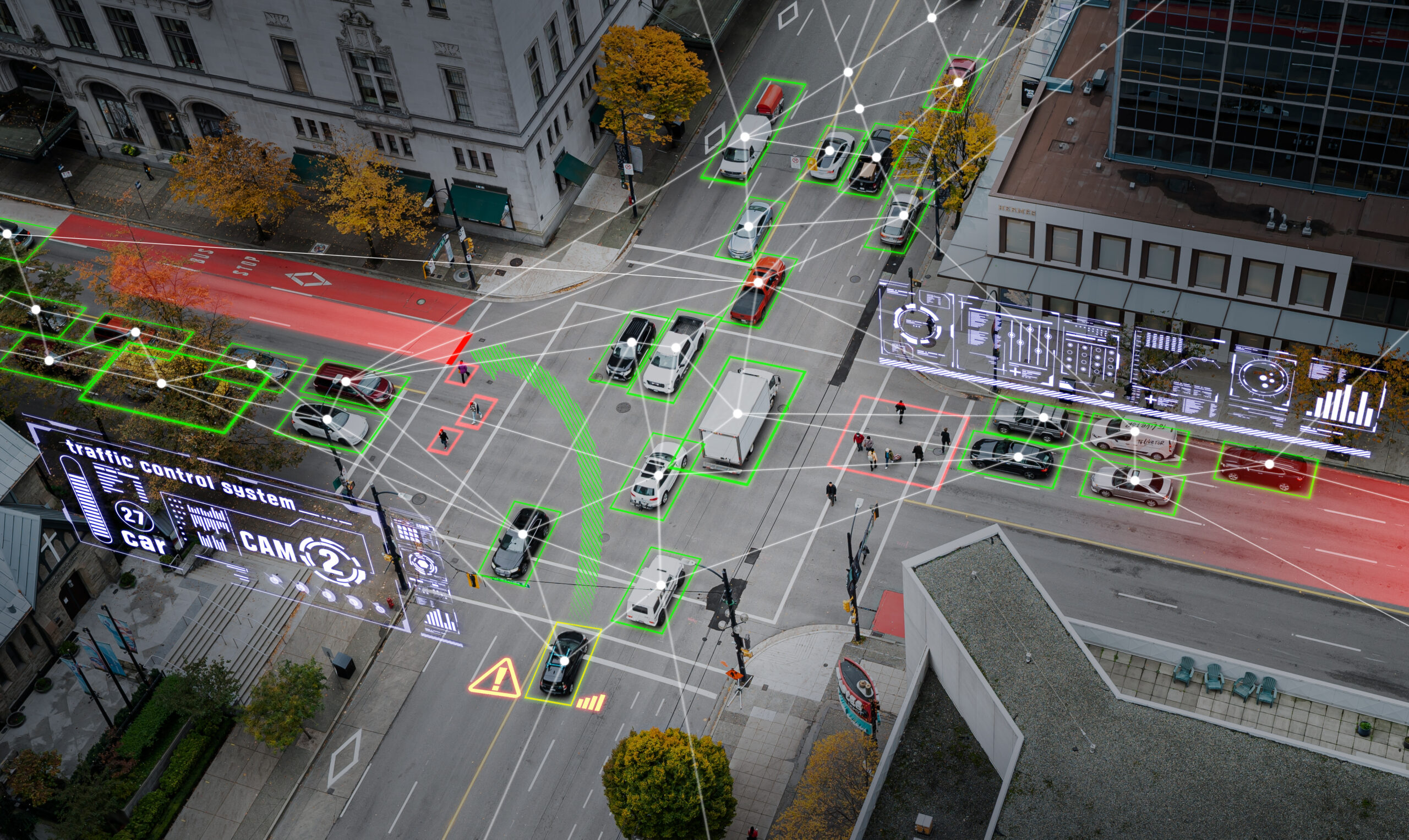




Author | Jaime RamosScience fiction is a genre in itself that combines various narratives and styles. The motivations of the characters, the different storylines and even the somewhat profound philosophical sources stem from the combination of fantasy and science. A combination which, naturally, has influenced the urban nature of human beings, outlining the cities of the future. And, as in the past it was said that art imitates life, now it is life that imitates art.Science fiction cities can be extensions of real cities or worlds created from scratch. Both concepts coincide in providing urban solutions that have ended up becoming a reality or which, at least, contribute to the creation of a prevention culture with regard to political, social or environmental challenges. We have selected a few examples from the countless list of cities that have appeared in science fiction.
1) Metropolis (1927)
https://youtu.be/-I9FD21k7CsDirected by the German director Fritz Lang, Metropolis accurately reflects the social concerns of the period between wars in a society dominated by the intellectual class. It is, essentially, the story of a rebellion led by a robot. Metropolis combines various principles of science fiction of the time (unsurprisingly, H.G. Wells accused Lang of plagiarising his novel When the sleeper awakes)Metropolis gives us one of the most pessimistic visions of current megacities, coming before a number of other films in which artificial intelligence forms an essential aspect of the journey towards urban democratisation. It also contains such magnificent visuals that will be hard to forget… And those of the designers and architects.
2) Tau Ceti Center, in Hyperion (1989)
The novel Hyperion, by Dan Simmons, offers a concept of city in which a sense of wellbeing depends inevitably on technology. The moment this fails, society falls into chaos and disarray. With Tau Ceti Center, Simmons predicts the consequences of this technological dependency with a theory often repeated by the genre. It is also, for example, the cornerstone of the successful television series Black Mirror.Apart from this dependency, Hyperion anticipated various problems that are beginning to appear in existing cities, such as the dilemma of the city of Lagos (Nigeria) with the supply of drinking water. Although Simmons was not so ahead of his time as Lang was, his interest in possible failure points in modern cities is an issue that many other authors have ignored.
3) Minority Report (2002)
https://youtu.be/lG7DGMgfOb8Steven Spielberg’s film brings to the big screen a considerable part of the urban concept of the mysterious and brilliant mind of the science-fiction book by the writer Philip K. Dick and of so many other works by this genius. The life of the residents of Washington in 2054 is transformed by an unprecedented digital revolution which, however, seems strangely familiar to us two decades after it was released.The storyline of the action thriller Minority Report used different technologies to show us the power of Big Data for controlling the social future of a city. Prediction units or precogs are capable of foreseeing the execution of crimes, establishing the bases for a more pacific society that is still protected by an authoritarian state with a benign façade. The storyline is related to another story by K. Dick, also made into a film: The Adjustment Team.
A present in which science fiction has lost its surname
These are just three science fiction references with very current messages or issues, but there are thousands of other examples. We could cite a handful of others, starting with Wall-e (2008) and its message of converting Earth into a planetary rubbish bin; once again, the social control in the fabric of buildings in the film Brazil (1985); Trantor and the rest of the planet-cities in the universe of Isaac Asimov; the philosophical limits of artificial intelligence in Ghost in the Shell (1989), Matrix (1999) or Blade Runner (1982); controlling overcrowding in Children of Men (2006) or the television show Utopia (2013).Therefore, it is not absurd to state that science fiction is no longer just a bit of fun, it has now become a window via which one can discover the challenges of existing smart cities. With a bit of luck, the imagination of hundreds of authors that wrote about them, will help us escape from Dante’s nine circles of hell and get a little closer to Tomás Moro’s Utopia.Images | iStock/liuzishan, Tom Parkes