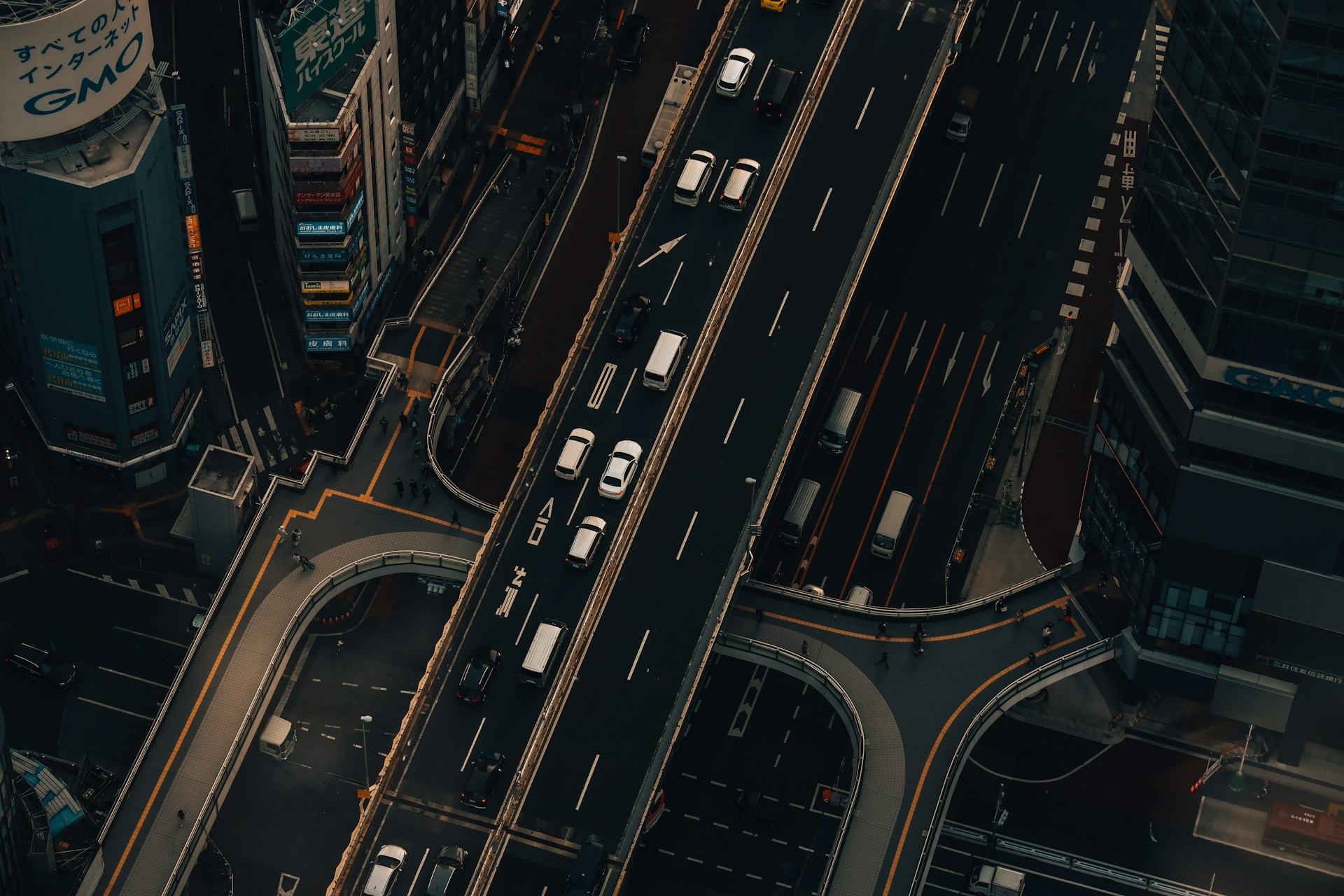




Author | Tania Alonso Noise pollution is one of the most serious challenges faced by 21st century citizens. It can cause both physical and psychological health problems, and it also affects the way we live and experience cities across the world.Very often, excessive noise is the direct result of traffic. It increases with engines, the noise of tires against the asphalt, and dozens of drivers honking their horns seeking to be heard above the crowds.Police in Mumbai have tested an ingenious method to placate noisy drivers and prevent them from honking their horns. The anti-noise traffic lights use sensors to detect a horn and stay on red for longer.
Mumbai: “The honking capital of the world”
According to the TomTom Traffic Index, Mumbai was ranked the world’s fourth most congested city in 2019. Only below Bogota (Colombia), Manila (Philippines) and, in first place, Bangalore (another city in India). The four cities top a long list of 416 cities in 57 different countries.Throughout the year, Mumbai residents spent 209 hours in traffic jams, just in peak hours. That is equivalent to eight days and 17 hours. Or, as the Tom Tom study indicates, the time it takes to listen to John Lennon’s ‘Imagine’ 4,012 times. Or watch 185 episodes of ‘Game of Thrones’.The natural reaction of many drivers while waiting is to honk their horns. This greatly increases noise pollution in the city and reduces the quality of life of its inhabitants. In general, the noise levels in the metropolitan area of Mumbai exceed the recommended limits. Particularly in areas near intersections and signaled crossings.
“Feel free to honk if you don’t mind waiting”
Towards the end of 2019, Mumbai police tested punishing the noisiest drivers. They installed noise-measuring sensors on various traffic lights in different points of the city. If the noise level reached 185 decibels (a level at which the human ear experiences pain and which is above the recommended levels), the traffic lights stayed on red for longer.The main aim of these anti-noise traffic lights is to reprimand drivers. Which is why the police have called the system The punishing signal. The traffic lights can increase waiting times from 16 to 90 seconds. Some even stopped the countdown and started again from the beginning if the established decibel limit was exceeded.
Horn not okay, please!
Find out how the @MumbaiPolice hit the mute button on #Mumbai’s reckless honkers. #HonkResponsibly pic.twitter.com/BAGL4iXiPH— मुंबई पोलीस – Mumbai Police (@MumbaiPolice) January 31, 2020
However, the police also aimed to raise awareness and educate the population. As in many other cities in the country, traffic congestion and the noise this generates, is a concern in Mumbai. That is why this anti-noise traffic light pilot test was designed with the aim of later extending it to other areas of the city and the country.“Unfortunately, many Mumbaikars indulge in reckless honking, which not only causes noise pollution but also hurts the eardrums, increases heart rate, creates traffic confusion and causes stress”, Madhukar Pandey, joint commissioner of police (Traffic) at the Mumbai Police explained to local media, according to The Guardian.“Everyone recognizes it but do little to curb it. With this, we hope to create better road discipline in Mumbai and encourage Mumbaikars to honk less, and create a noise-free and stress-free commute in Mumbai”.Images | Carlos Alberto Gómez Iñiguez, Malhar Garud