



Author | Arantxa HerranzAt the estuary of the Tagus River, the longest river on the Iberian Peninsula, stands Lisbon, the capital of Portugal and the 2020 European Green Capital award winner.Lisbon is considered to be one of the most environmentally-friendly cities in the world, but it also has an exemplary urban mobility model. However, to reach this point, the city experienced great changes that were not always easy to digest. The earthquake that devastated the city in 1755 defined its character, and, more recently, the economic crisis of 2008, marked a turning point for this city with barely half a million inhabitants.
Sustainability and mobility as its flagship initiative
Precisely, since 2008, mobility has gone on to become one of the Portuguese capital’s core policies. And to achieve this, it has sought the opinions of its citizens, private and public companies and also used the experiences of other cities.Lisbon has a Department of Mobility and Safety, which is headed by Miguel Gaspar, the man behind some of the most important changes in this city, transforming the city’s appearance over the last decade. The challenge was for residents to be the new owners of the city and, therefore, sustainable mobility systems were implemented. This will also help the city and the country reach their carbon emissions targets by 2030.
Electric vehicles and public transport
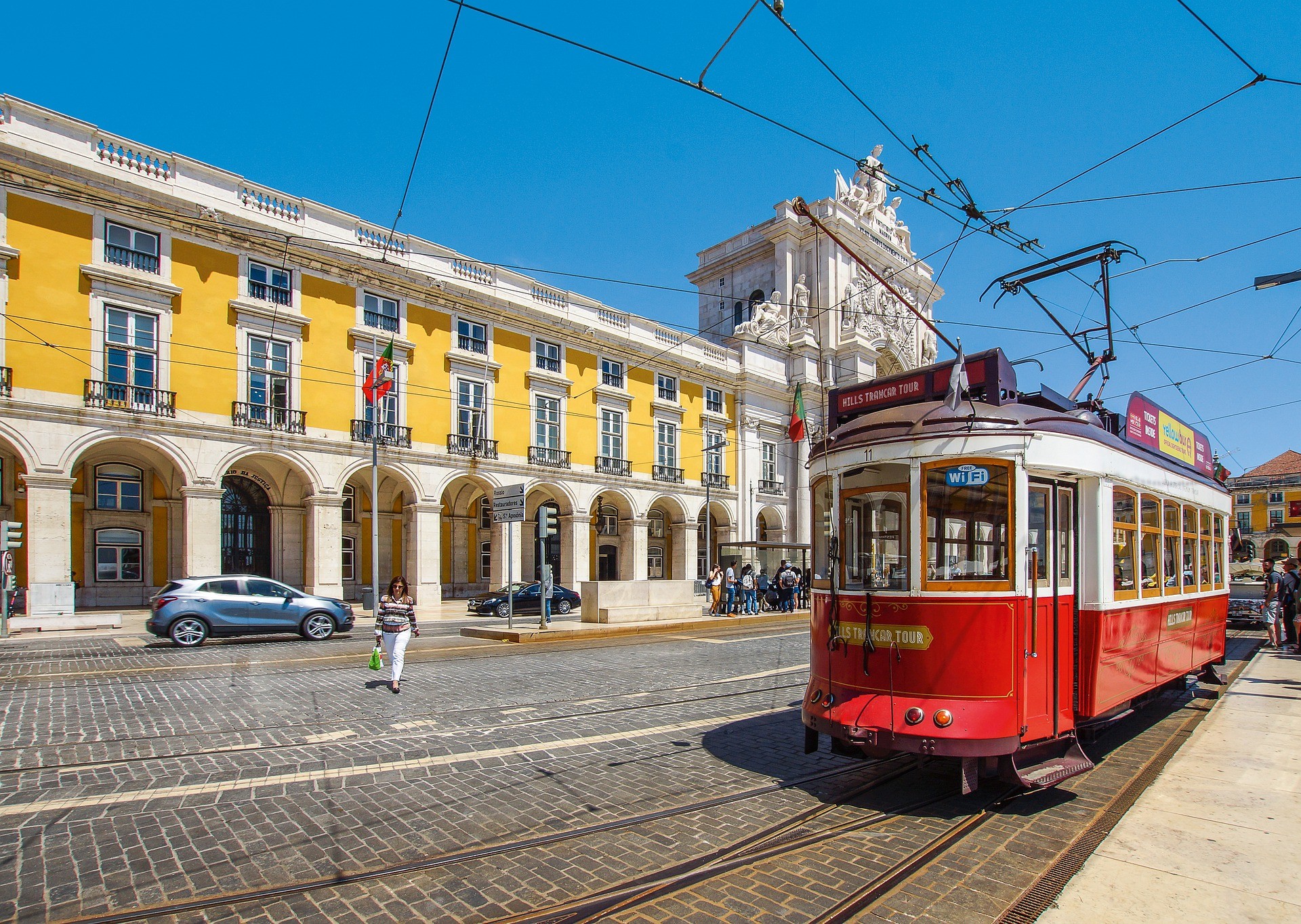
To achieve this, the municipal transport company played an important role. Today this agency operates over 200 light vehicles, 91% of which are electric and 9% are hybrid. The organization has gradually increased the number of electric vehicles; the aim is to reach 420 buses and 25 streetcars by 2023. This strategy entails an investment of 252 million euros, but the aim is also for 150,000 people, who use private vehicles, to stop doing so in favor of public transport.Lisbon will have to convince drivers of the benefits of this strategy; around 6 in 10 journeys within the capital are made using cars.
The city council also wants to reduce the amount of public space available for cars and, instead, make streets easier, more convenient and safer for pedestrians. The city is investing in public transport, increasing the options available, reducing tariffs and simplifying them.
Mobility as a service
Miguel Gaspar defends that cities cannot be monopolistic in terms of mobility. Therefore, his entire strategy has always taken into account public opinion and the contribution of private companies, which also offer transport alternatives. “They are much better at innovation than us”, he believes.Every two weeks, Lisbon holds a meeting with mobility solutions providers operating in the city, 16 to date. The public transport system is complemented with a private supply of shared electric motorcycles: 12,000 units from 9 different companies, offering a solution to the last mile transportation problem. This system, however, also takes into account the aspects mentioned earlier: respecting public spaces for pedestrians. In fact, the law establishes fines for motorcycles that dirty the pavements or those that are parked badly, invading public spaces.This collaboration also seeks to recover users that public transport had lost. Therefore, they decided to apply Mobility as a Service (Maas) policies to complete the mobility services on offer.Other interesting measures include the sale of unified tickets to access various means of transport, both public and private, integrating the entire range of mobility options available, simplifying tariffs and facilitating their use.Inspiration and exampleAlthough Lisbon may be used as an example of how to transform mobility in a city, the truth is that those responsible recognize that they have taken inspiration from other cities when developing their plan. Oporto, Barcelona, Copenhagen, London and Los Angeles are just some examples of cities in which the Portuguese have found inspiration.Lisbon, for example found inspiration in Los Angeles to be the first European city to adopt the Mobility Data Specification (MDS), establishing a hub so that shared bicycles, e-scooters and other shared mobility providers can open their data to inform those responsible for transport in order to improve their planning and management.
And what about the future?
Lisbon is looking to the future after signing the Corporate Mobility Pact (CMP) together with another 57 leading companies, in which signatories undertake to implement 200 mobility initiatives for a more sustainable transport system. Those responsible for mobility policies in Lisbon, are not stopping there and they are already thinking of how the city will have to adapt to what is in store, particularly when autonomous vehicles become a reality. Therefore, those responsible for transport want to prevent these cars from driving around the city until someone needs them, with the aim of preventing traffic problems.In any event, the aim will continue to be the same: return to basic policies. That is, offer citizens and visitors the services they need to carry out their everyday activities.Images | Pixabay