



Author | Lucía Burbano
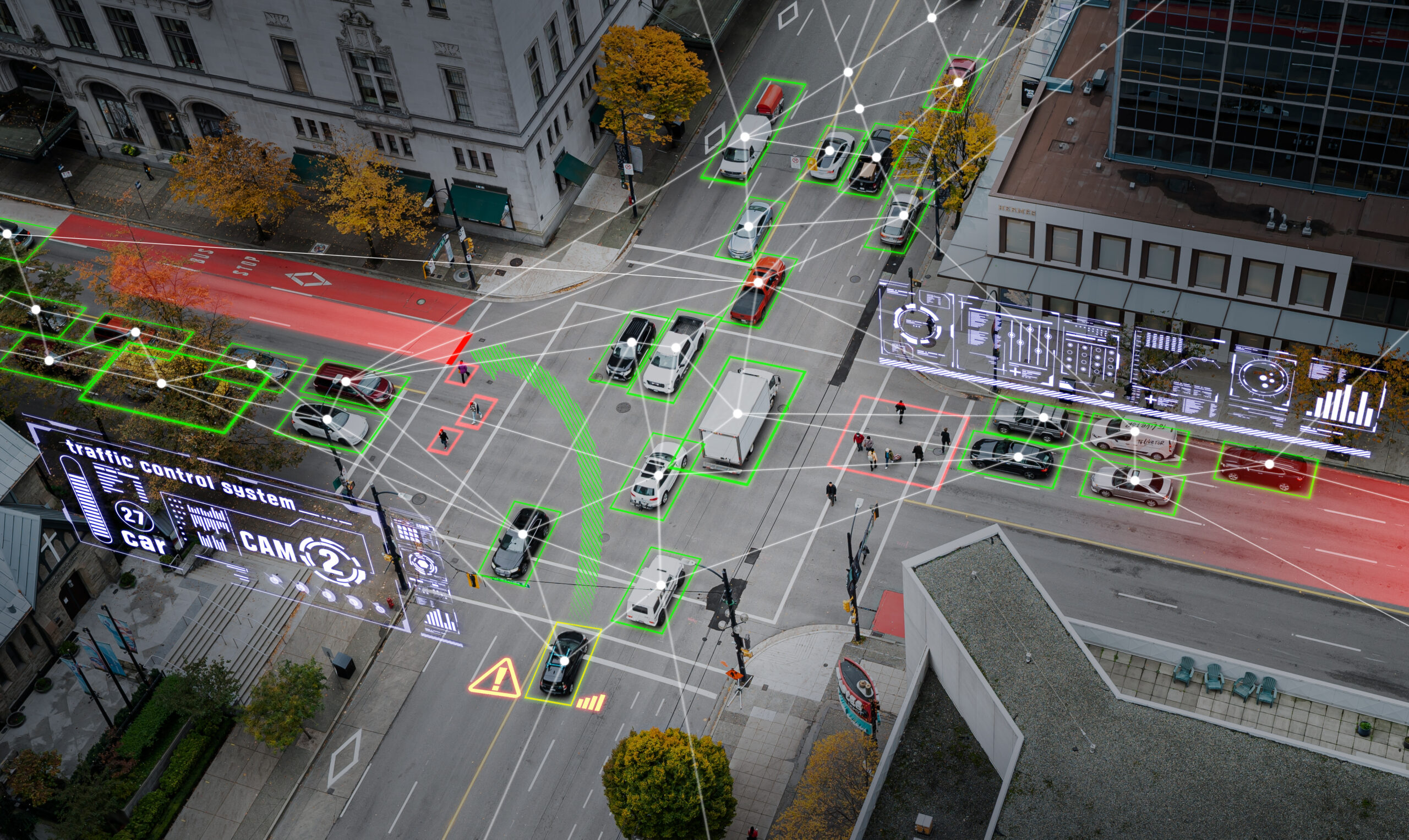
According to the United States Government Accountability Office (GAO) in the report “AI Is Changing Home Buying and Renting—But Not Always for the Better”, artificial intelligence is increasingly being integrated into tools such as home search engines, virtual assistants, chatbots, and appraisal instruments, which property buyers and renters are using more frequently.
While this technology can speed up and simplify the process of finding and comparing a home, the government agency warns of potential vulnerabilities, such as the risk of discrimination, lack of transparency in loan decision-making, and automatic rent increases in certain ZIP codes.
How AI is involved in buying and renting homes
Artificial intelligence systems can now analyze users’ preferences when searching for a home, based on their search behavior, budget, commuting patterns, and other lifestyle-related factors, to recommend properties that match these criteria. This AI involvement reduces the time users spend searching and improves the relevance of the results they receive.
This is achieved, on the one hand, through adaptive search engines that learn from user interactions to refine property suggestions, and on the other, by performing price assessments and applying market intelligence through:
- Automated valuation models: AI predicts the fair market value using historical sales data, trends, and the specific property’s features.
- Predictive analytics: AI forecasts future price trends and return on investment, helping buyers make strategic decisions.
- iBuyer platforms: AI is used to make near-instant offers to sellers by automating property valuation and risk assessment.
But is AI the best real estate agent?

In another report, titled ‘Property technology for homebuying’, the United States Government Accountability Office highlights several significant issues related to the use of AI in this sector:
Risk of discrimination.
If algorithms are not properly designed, they can steer buyers or renters toward, or away from, certain neighborhoods based on data related to race, ethnicity, age, or gender. Such practices could violate existing laws
Privacy and sensitive data
Related to the previous point, AI-powered platforms collect and analyze large amounts of personal data to provide personalized results, which increases the risks to privacy and the potential misuse of sensitive information.
Lack of transparency in mortgage decisions
Although AI is already used to review documents such as pay stubs, its criteria for approving or denying loans can make its decision-making process difficult to interpret and may potentially reinforce existing biases in mortgage lending.
Influencing rental prices
AI is also used to set rental rates, which can lead to automatic price increases in high-demand areas without considering the condition or specific features of the property.
Oversight and regulation of AI in home buying and renting
In the United States, federal agencies are working to keep up with the rapid deployment of AI in the real estate sector. Oversight by regulatory bodies such as the Federal Housing Finance Agency (FHFA) and the Consumer Financial Protection Bureau (CFPB) varies in scope.
Although some measures have addressed issues such as discriminatory rental ads and tenant selection, the GAO believes that existing enforcement tools may not be sufficient to ensure compliance with fair housing and consumer protection laws in the AI era.
In the United Kingdom, real estate professionals have expressed concerns about the use of AI in property valuations. A survey of real estate agents found that automated tools used for this purpose tend to underestimate the actual value of homes, especially in rural or lower-income areas, creating distrust in their use without human oversight.
In Australia, particularly in New South Wales, specific legislation has been passed to address the use of AI in the rental real estate sector, including requirements to disclose if images in listings have been altered, with penalties for misleading advertising or visual manipulation.
These measures also aim to limit the unnecessary collection of personal data from people searching for housing, protecting their privacy from intrusive practices in rental applications.
Photographs | Unsplash/Jakub Żerdzicki, Unsplash/Dina Badamshina