This is a guest post by EIT Urban Mobility. EIT Urban Mobility is the leading innovation community for urban mobility in Europe, committed to accelerating the transition to sustainable urban mobility and more liveable urban spaces.

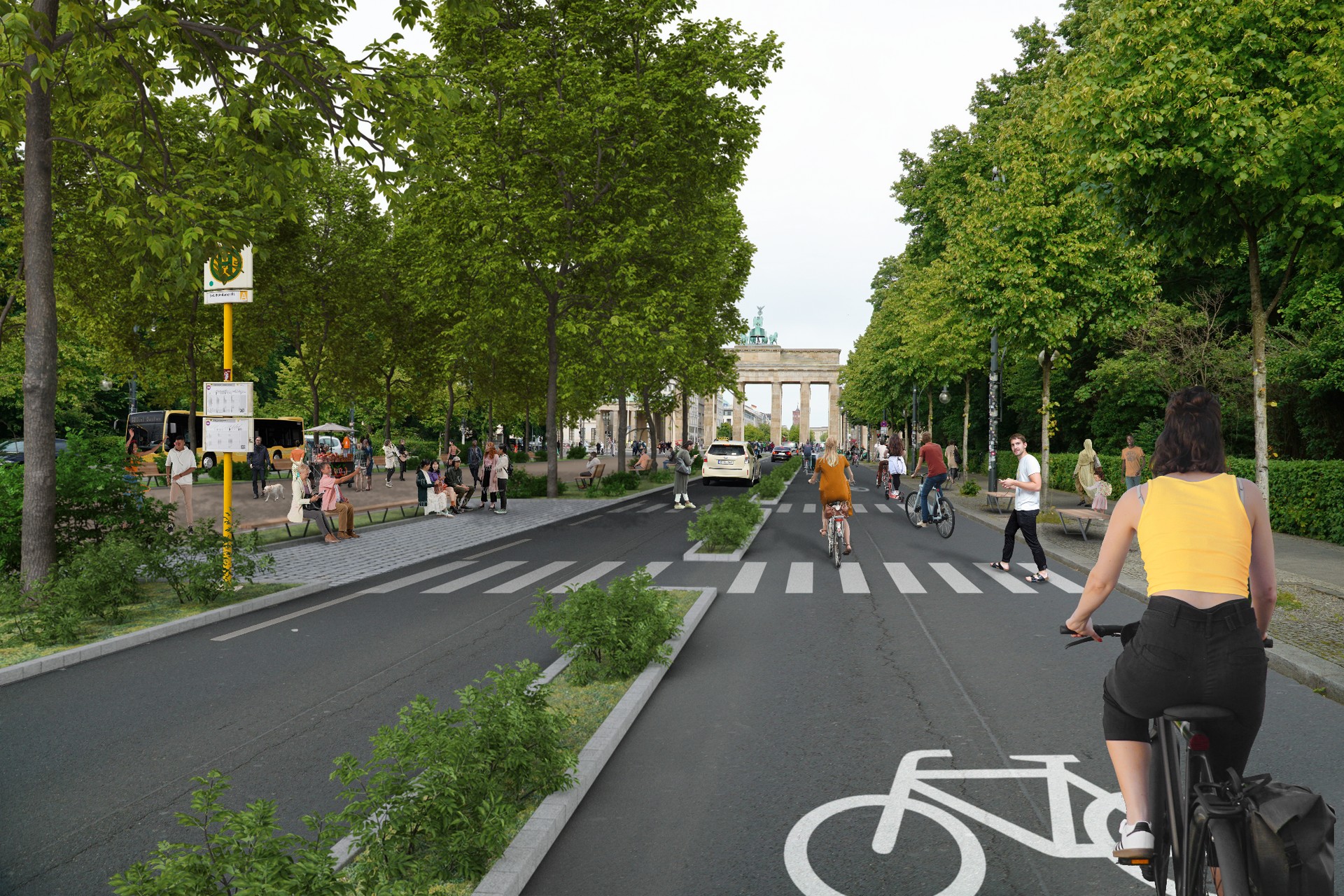
Cycling is often thought of as one of the most beneficial transport modes for personal and public health. In fact, implementing regular cycling into daily routines can improve cardiovascular fitness for greater longevity, enhance mental well-being and reduce risk of chronic diseases. And, at the community level, commuting via active mobility cuts emissions and improves air quality.
Demographic disparities in urban cycling
Despite these advantages, there are significant disparities in urban cycling participation, with some groups underrepresented in our cities’ bike lanes. Data across European cities show that while bike ridership is increasing overall, young men significantly outnumber women and the elderly on bicycles. In contrast to cities with strong cycling cultures like Copenhagen and Amsterdam, where data shows near-gender parity, the disparity in cycling participation becomes more pronounced in cities less famous for their cycling communities. For example, Paris and Barcelona report that men outnumber women cyclists by about two to one, with men comprising about 66% and women about 33% of the cycling population in both cities. This proportion has been widely reported across European, Australian, Canadian, and American cities alike.
While divisions by gender are found in urban cycling populations, they can also be seen at both ends of the age spectrum. Research conducted in Barcelona in 2021 found that only 0.6% of people over the age of 64 reported using a bicycle frequently, as compared to 8% of the general population. Additionally, while Denmark and the Netherlands report high cycling rates for both the elderly and youths (64% and roughly 75% of children cycle to school, respectively) these countries continue to be outliers for their remarkable cycling uptake. In fact, in the United Kingdom, only 3% of children cycle to school regularly.
These disparities highlight the barriers in place for women, the elderly, and schoolchildren to embrace cycling as a reliable mode of transportation. While infrastructural investments, policies, and urban planning changes will be key to creating more inclusive bike cultures that allow for all to participate; there are already numerous grassroots initiatives dedicated to making urban cycling available to all.
Cycling Without Age
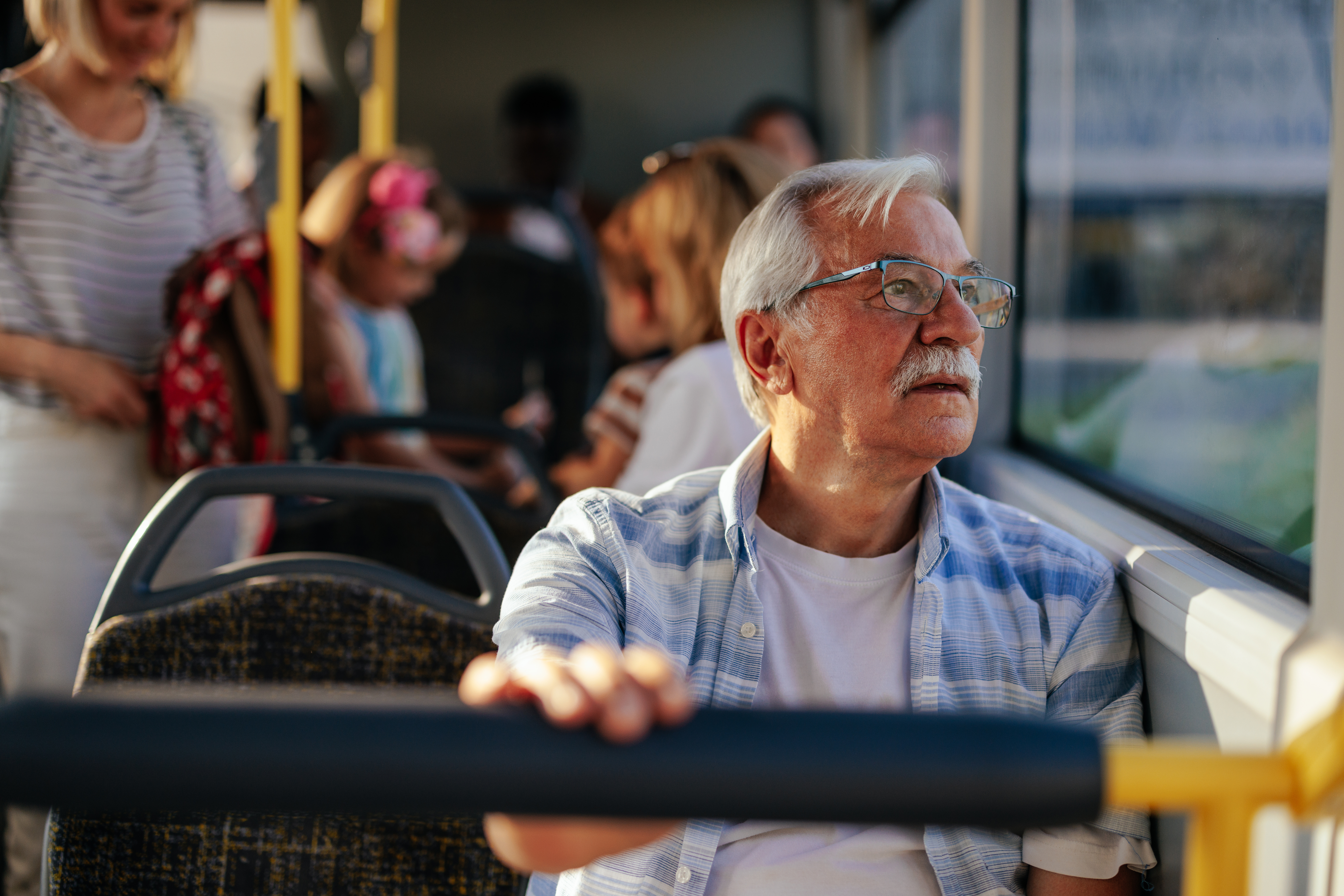
Cycling Without Age was founded in 2012 in Copenhagen, Denmark, and has since grown to become a global initiative. The programme aims to bring the joy and community of cycling back to elderly individuals who may no longer have the mobility to cycle on their own. The programme’s trained volunteers operate specially designed trishaws – a kind of e-battery powered tricycle with a bench – allowing participants to cycle again and regain a sense of freedom and independence. By pairing elderly participants with volunteer riders, the initiative encourages cycling ridership across age groups while also improving the mental wellbeing of all involved. Cycling Without Age’s inclusive initiative encourages a more diverse demographic to participate in cycling activities, fostering a more equitable and accessible urban environment for all age groups.
TandEM
The TandEM programme, launched by EIT Urban Mobility and BYCS, empowers women across the EU to lead cycling and bike repair workshops for other women, in a train-the-trainer format. TandEM aims to increase the share of women cycling in cities by teaching trainees how to manage safety concerns, aggression on roads, and infrastructure issues; barriers that traditionally dissuade women in particular from participating in urban cycling. Additionally, the programme’s bike repair workshops provide independence and self-sufficiency for the cyclists; equipping them with the skills to solve regularly occurring maintenance problems to keep their bikes operable. Through the TandEM programme, women are trained as instructors and lead workshops that inspire participants to take up cycling. These participants can then become trainers themselves, fostering a sustainable cycle of increased cycling adoption.
Bike buses
Encouraging children to bike to school raises several safety concerns. However, implementing a bike bus (or, depending on the region, a bicibús, vélobus, bicycle caravan, or fietsbussen) can help alleviate these worries. Bike buses are community initiatives in which groups of children cycling to and from school are accompanied and supervised by trained adults. The ‘safety in numbers’ ideology of the bike bus offers a solution to parental concerns about traffic safety and provides children with the skills and experience needed to navigate urban environments on bikes.
Bike buses have gained popularity in cities across Europe and are increasingly adopted in North America, where children commuting via bicycle is significantly less common. This concept not only enhances safety by providing a visible and organised group presence on the roads, but also encourages increased social interaction and confidence among young cyclists. Additionally, students who cycle to school have been observed to exhibit 8% higher concentration levels compared to their peers who arrive by car, with this benefit lasting up to four hours after arrival. By fostering a sense of community and making cycling a fun and social activity from an early age, bike buses play a crucial role in promoting sustainable urban mobility and reducing dependence on motorized transport among future generations.
Want to learn more? Don’t miss the active mobility sessions at Tomorrow.Mobility World Congress from 5-7 November, buy your pass here.
Images | Universitat Autònoma de Barcelona