



Author | Lucía Burbano
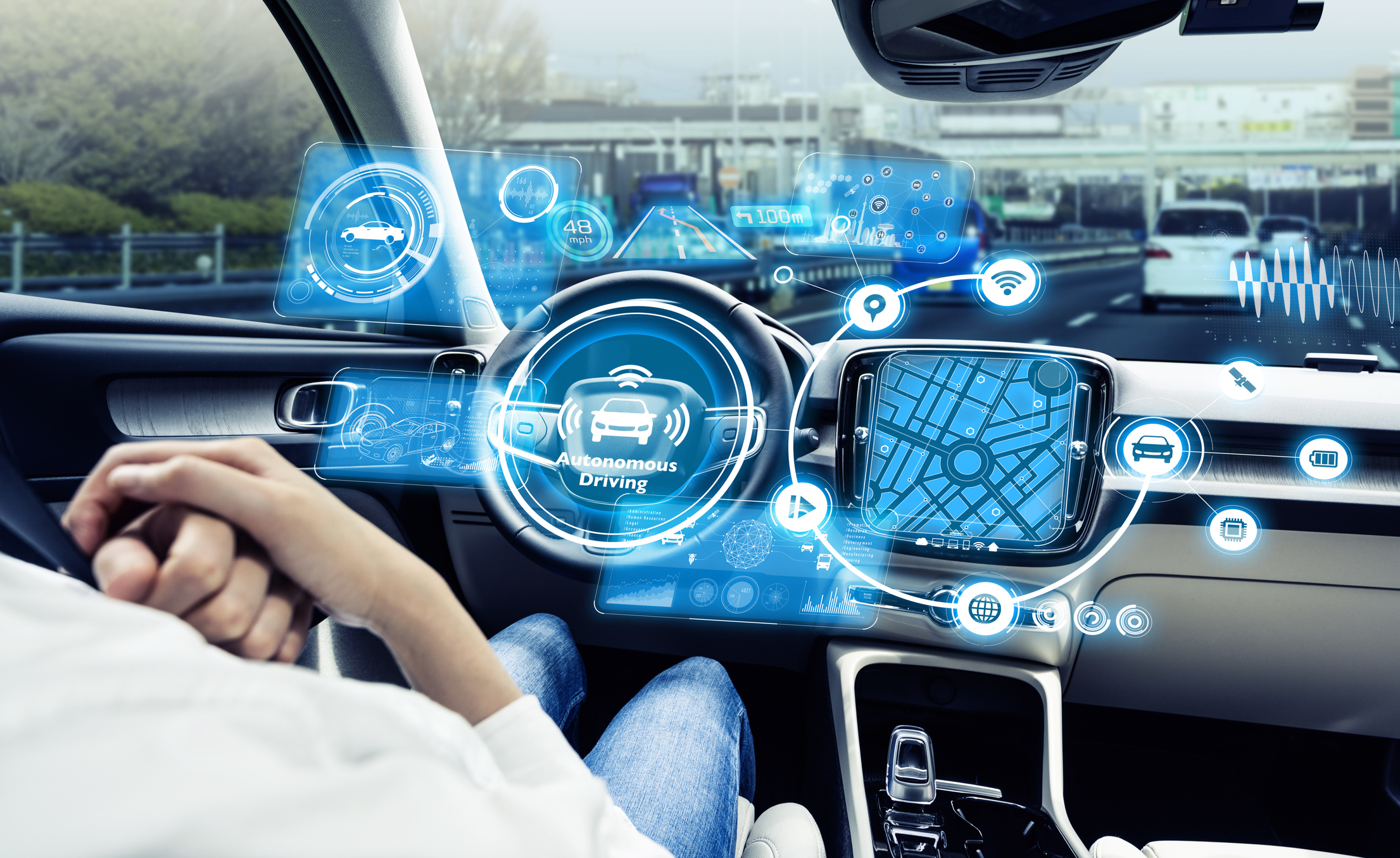
Real-time communications between vehicles (V2V or C2C) or between a vehicle and its surroundings (V2X), are a cornerstone of road safety, smart mobility, and autonomous vehicle development. Although their rollout and implementation involve a wide range of factors moving at different speeds, we review the most recent developments.
Key Advances in V2V/C2C and V2X Communications
Legal Framework
In November 2024, the U.S. Federal Communications Commission approved an update to regulations allowing V2V and V2X communications to use existing mobile networks. The goal is to enable messages between vehicles, vehicles and infrastructure, vehicles and cyclists, or vehicles and pedestrians to warn of their presence for safety purposes.
Meanwhile, in July 2025, the European Telecommunications Standards Institute published a technical report refining aspects of multichannel operations, message management, and service quality in V2X systems.
In terms of standardization, consortia such as the CAR 2 CAR Communication Consortium continue working on defining interoperable standards to ensure that vehicles from different manufacturers can communicate with each other safely.
Technological Evolution: 5G and AI
Research on using AI and machine learning to make V2X smarter is increasing, enhancing its predictive capabilities, optimizing routes, and improving decision-making in cooperative driving scenarios.
Safety
Since V2V communication is critical for safety, active work is underway to protect these communications. For example, cooperative adaptive cruise control systems are enhancing this aspect through anomaly detection models which, using machine learning, can identify malicious or faulty V2V messages.
Deployment
Collaborations such as the one between Jaguar Land Rover (JLR) and Tata Communications, which expanded in early 2025, further strengthen vehicle connectivity. Partnerships like this contribute to market growth and drive momentum for equipment manufacturers, telecom companies, and infrastructure stakeholders.
Regarding infrastructure, companies and public agencies are conducting real-world pilot tests. In Spain, Abertis is working on adapting infrastructure for connected vehicles, using artificial intelligence, big data, and real-time V2X communication.
Outstanding Challenges
Despite continuous progress, there are still issues to address and obstacles to overcome:
- Coverage and Infrastructure: To fully leverage V2X benefits, a large number of vehicles and road infrastructure are needed, but large-scale implementation is costly and requires coordination.
- Interoperability: Different regions and car manufacturers may prefer different technologies (e.g., DSRC vs. C-V2X), complicating global deployment.
- Safety and Privacy: Ensuring the security of V2V messages is critical. In addition, data privacy must be addressed when vehicles communicate with cloud services.
- Regulatory Harmonization: Laws regarding data usage, ownership, and liability in case of accidents require universal standardization.
Recent Urban Pilots with V2V and V2X Systems and Vehicles
Seville, Spain
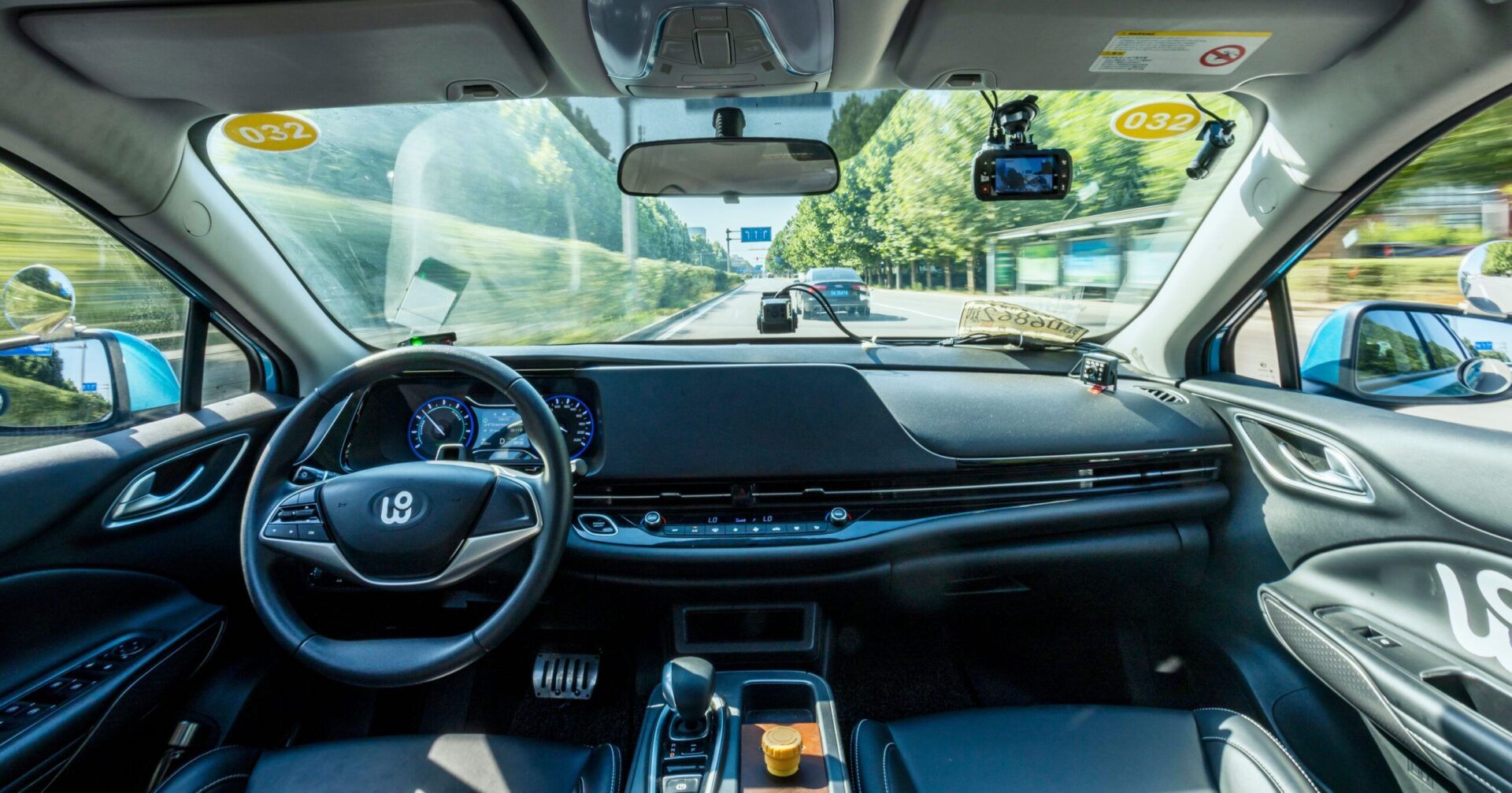
In May, the Galicia Automotive Technology Center began testing a level-4 autonomous shuttle bus), connected via V2X on a C-ITS corridor or connected transport route that communicates with traffic lights and can also detect pedestrians.
Part of the pilot included an electric autonomous vehicle at the Port of Seville, with up to 11 hours of autonomy and a capacity for 12 passengers.
Tampere (Finland)
As part of the NordicWay 3 project, C-ITS pilots for cooperative communications were deployed in the city of Tampere. Specifically, connected traffic lights were installed that send SPAT/MAP data to a central node for infrastructure-to-infrastructure communication.
Beijing, China
China has launched an ambitious pilot program: Vehicle-Road-Cloud Integration in 20 cities, including Beijing, Shanghai, Chongqing, and Nanjing. Between 2024 and 2026, these cities will test the combination of C-V2X, 5G, and edge computing.
Dubai, UAE
Dubai has announced the integration of intelligent systems that connect traffic signals with vehicles (V2X + Artificial Intelligence) to reduce congestion and provide real-time traffic and driving data to vehicles.
Photographs | Unsplash/Ka Long Li, Unsplash/I’M ZION