



Author | Jaime Ramos
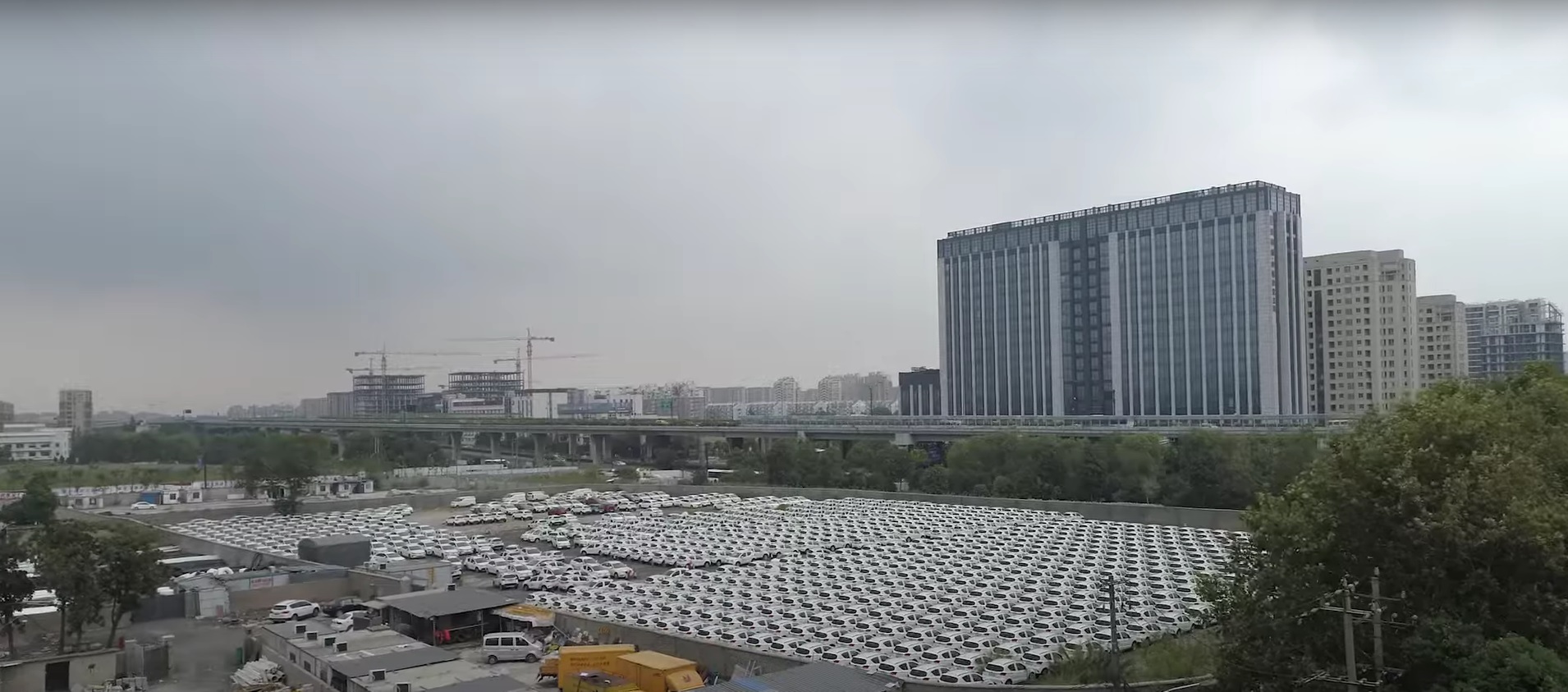
China has spent more than a decade working on becoming the undisputed leader of electric mobility. Its success has exceeded all expectations, but it has also left some images that spoil that immaculate appearance, such as electric car graveyards in urban areas.
China dominates the electric car market
Chinese electric car manufacturers have prospered in recent years and are now the leading market. In just two years, they have gone from registering 1.3 million electric vehicles per year, to 6.8 million units in 2022. MIT Technology Review has compared these figures to the United States, which "only" sold 800,000 electric vehicles.
China’s success is the combination of numerous factors, including the application of effective policies, many of these applied at an urban scale, with grants and subsidies, while also making use of the technological synergies of its manufacturers.
Chinese electric car graveyards: why do they exist?
The images of various locations showing hundreds and even thousands of electric cars abandoned in urban areas in cities including Hangzhou, Shenzhen or Beijing, took on even greater importance this summer.
The mere existence of these graveyards illustrates an unwanted effect of electrification and yet, it is still not entirely clear why so many cars are lying in these car graveyards. While some specialist media channels like Auto Evolution dismiss the severity of the matter, others, like Bloomberg, have delved deeper into the matter, indicating more critical causes.
Vehicle graveyards in China
This is not the first time we have seen graveyards like this in China. In 2018, bicycle graveyards became famous worldwide. One could say that at least they had a happy ending from a sustainability point of view. The success of China’s electrification has also brought with it graveyards, but for combustion engine vehicles. In the eastern city of Hangzhou, there are over 100,000 cars piled high.
Where are China’s abandoned electric vehicles from?
This is the big question for which there is not just one simple answer. On the one hand, many of the images refer to models abandoned by carsharing companies that have failed, while there are also models from other companies that did not manage to survive the success of the electric car revolution.
Given the rapid development of this technology, particularly in terms of driving range, the collapse or absorption of startups and small manufacturers left many units in the lurch. Today, approximately 100 Chinese companies exist of the 500 that existed 4 years ago. In fact, even global leaders like NIO, are facingchallenges related to technological investment. Other sources point to the possible fraudulent use of subsidies, or the actual withdrawal of these as a factor behind the graveyards.
The journalistic task of identifying the cause requires going, one by one, and sounding out the owners of the plots on which they are located, as well as the manufacturers and local authorities. What is clear, is that there is not always a convincing answer.
Towards cities without vehicle graveyards
These graveyards require an effective response in order to prevent the degradation of elements such as nickel, cobalt or lithium. One of the photographers of these graveyards, Wu Guoyong, in statements to Bloomberg, goes one step further and defines them as the impact of savage capitalism that drains resources and damages the environment. What does appear to be clear is that the images are unacceptable from the point of view of smart cities: they encourage planning to accommodate electric vehicles at the end of their service life (or before this has even begun).
Images | Youtube/ Guoyong Wu