



Author | Marcos MartínezIt is no secret that mobility is changing in cities. Citizens that are more committed to energy efficiency, city councils that implement measures to combat pollution and more user-friendly spaces for people, are eliminating private and polluting cars from cities.As a result, car manufacturers are now changing to the car sharing model, they manufacture substitute products that compete with them and they develop technological solutions that will eliminate the existing car market. They themselves have become the catalyst for the change.
Car manufacturers turn to services
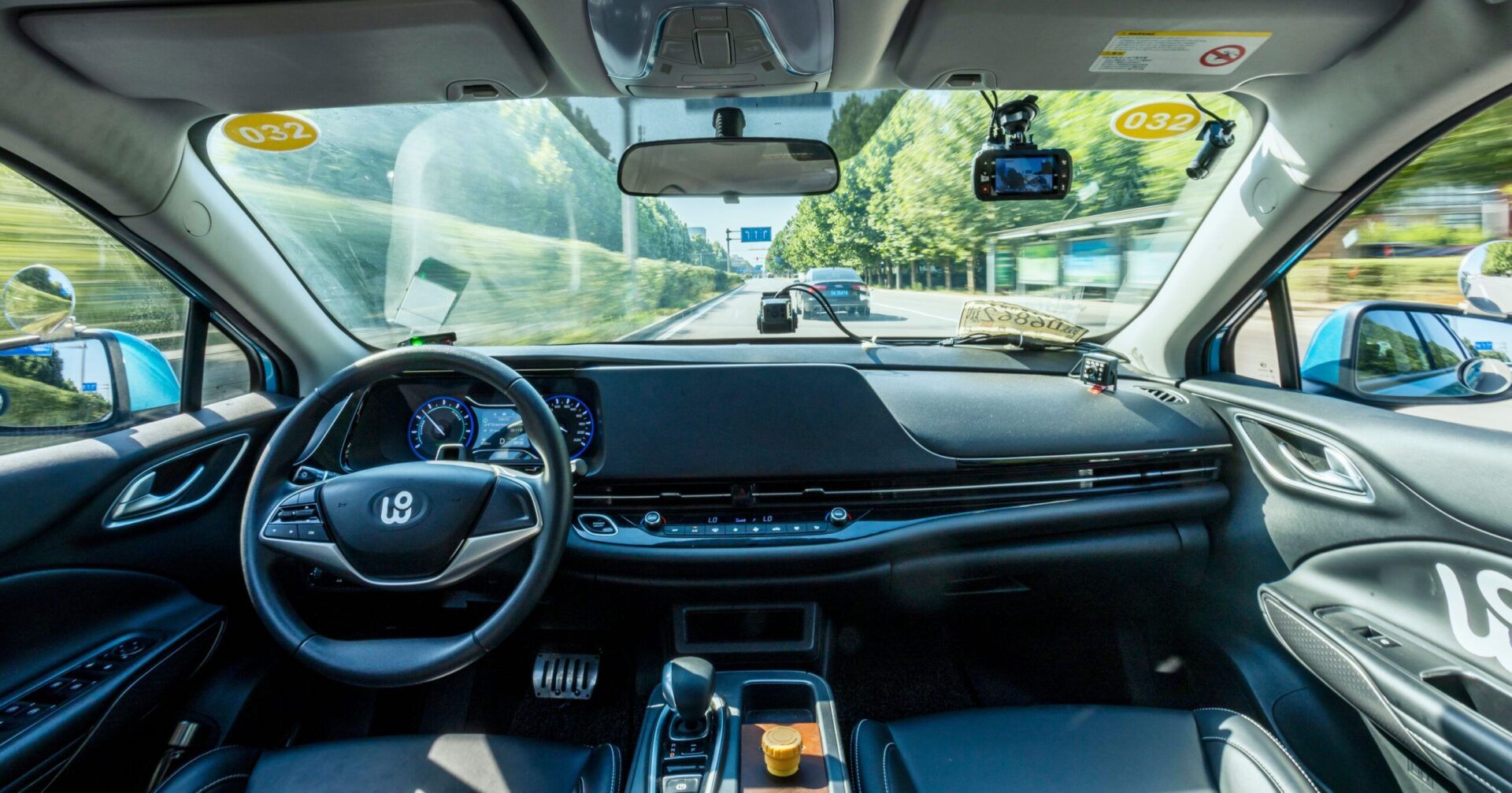
It is estimated that every shared vehicle could replace more than ten private cars, according to the consultancy firm Frost & Sullivan. The reason is that private cars are parked 95% of the time, while shared cars are on the road all day. As a result, car manufacturers are becoming providers of mobility services.Christian Ledoux, Head of Renault, Nissan and Mitsubishi Alliance Mobility Services, confirmed this in an interview for Xataka in 2018: “we are changing from a vehicle sales business model to one that offers services”.The mathematics does not lie. If in a few decades from now, mobility services occupy an important percentage of the market, let’s say 20%, this will mean that for every 100 cars manufactured in the past, 62 will now be manufactured: 60 will be privately-owned and two will be shared among 20 users. In other words, the car manufacturing market is decreasing.
Two different vehicles with the same platform
https://youtu.be/bYZzULf4ULAThis could continue to decrease if we reach developments on platforms. Developing various vehicles on the same platform (the unit essentially made up of the chassis and various sub-assemblies) is not new. The automotive industry has been building future models on the same the chassis for decades, sometimes sharing the platform with other manufacturers, as is the case with the MQB, the MLB and the electric platform PPT (under development).What is new, is that the lower chassis and the upper structure can be disconnected, as with the EZ-PRO (Renault) and in the Vision URBANETIC (Mercedes-Benz). In their videos we can see two different concepts with a similar design and launched only days apart in the Hannover Automobile exhibition. The trend is consolidated in both of these.https://youtu.be/2Vd1muX2qGUThese types of innovations, which are already being developed, starting first with interchangeable batteries (Seat Minimó, B-Nano, Gogoro), can revolutionise mobility. The ideas is that they can be driven autonomously and transport any type of cargo. A single base will remove dozens of vehicles, not just private cars: also cargo vans, business vehicles, etc.
Is it time to change business?
Apart from shared vehicles, a considerable sample of the population is migrating to plug-in unipersonal vehicles: scooters, karts, hoverboards or motorised bicycles, among others.Vehicle manufacturers are aware of this and brands such as Volkswagen, BMW, Peugeot or Audi, are already working on scooter models such as cargo-bikes the X2City scooter, the e-Kick scooter, or the e-tron Scooter, respectively.According to recent studies, these are not the panacea, because they pollute more than the use of public transport. But the fact that they do not emit pollutants and they contaminate less than combustion-engine vehicles, together with the urban flexibility they offer, are making sales soar.Private car manufacturers are aware that these are products that can replace their cars, so they are trying to return to the mobility market with them. This could generate a call effect that further closes the market in the coming years.Image | Kelly Sikkema