Will London soon get a floating park?
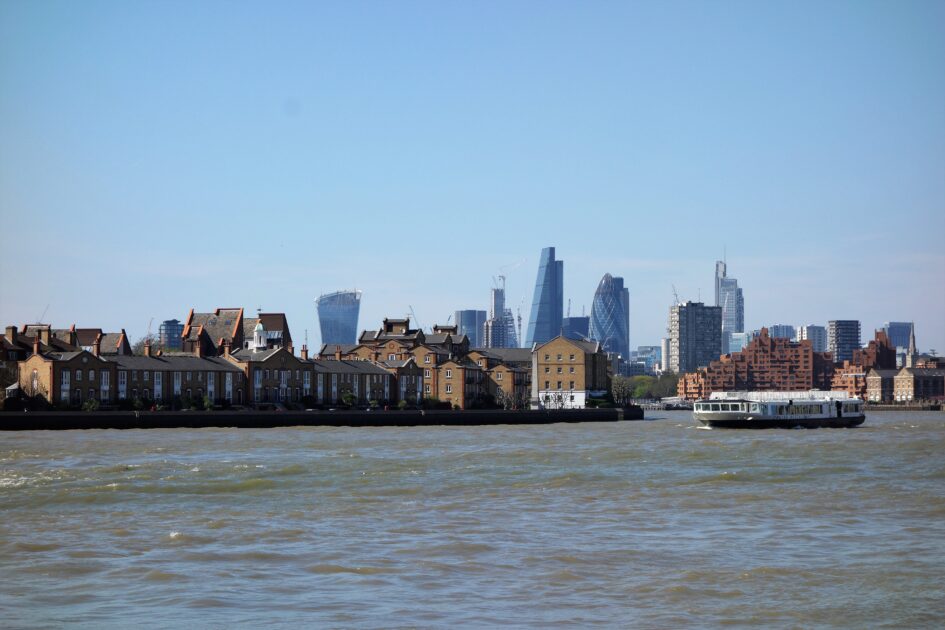
The proposal to build a floating park at Royal Victoria Dock in London is an example of how cities are reclaiming underused postindustrial waterfront areas and adapting them to current urban needs without using additional land.
An artificial, smart island: Ambassadori Island Batumi in Georgia is making headway
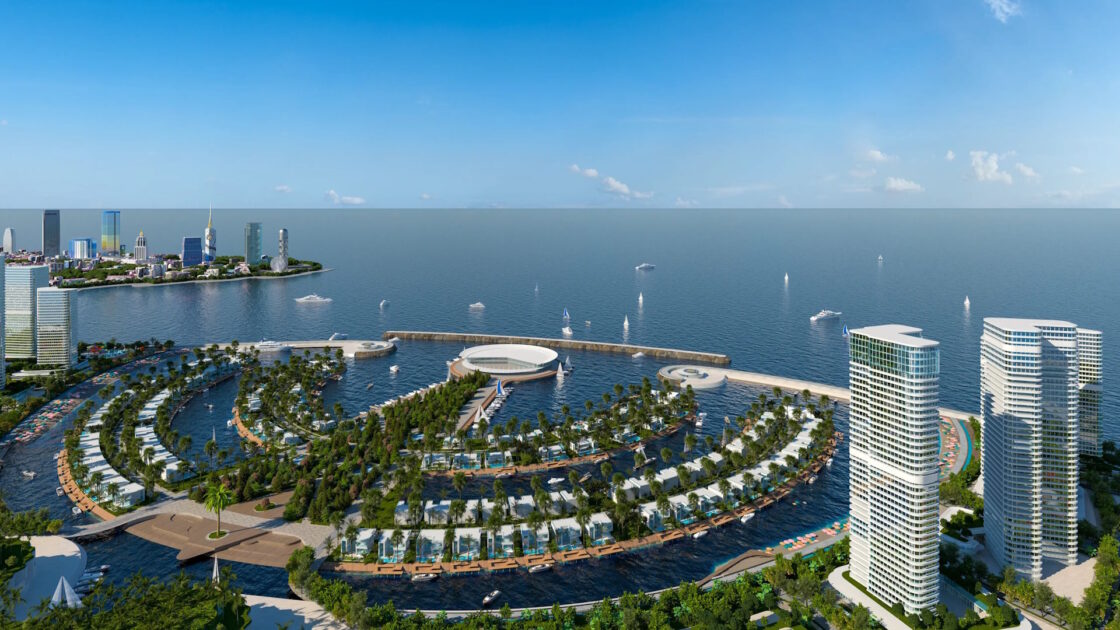
The Georgian city of Batumi lies on the eastern coast of the Black Sea, and, with just over 170,000 inhabitants, it is the country’s second-largest city. Yet this port city, rarely in the international spotlight, has recently drawn attention as it develops a smart city project that extends its territory into the sea, in the style of Dubai.
Heatwave risk, down to your block: the new tool making it visible

Mapping tools are already helping to understand settlement patterns (and provide deeper insight into urban development in Africa, for example) and smart city projects have optimized everything from traffic to irrigation management, among many other areas. Artificial intelligence has already improved urban life. Software applications, data analytics, and AI could also transform how high temperatures and their effects are managed.
European project aims to reduce bus water usage by over 70%

This may be something we are unaware of as citizens or simply never consider: the urban bus sector uses tens of millions of cubic meters of water each year in operations such as washing. These figures highlight the hidden impact of water on urban mobility and explain why projects like LIFE H2OBus are seen as pioneering, as they specifically address an issue that often goes unnoticed but which is far from insignificant: water management in road based public transport.
Belgium deploys claimed world’s first commercial mobile service on 5G Core SaaS

Belgium has launched the world’s first commercial mobile service based on 5G Core Software as a Service SaaS, powered by Nokia and Amazon Web Services (AWS). The SaaS model transforms the core network into a subscription based service, allowing networks to be built and scaled without the complexity of traditional systems while reducing upfront capital investment.
Novel UK standard system to accelerate local energy planning
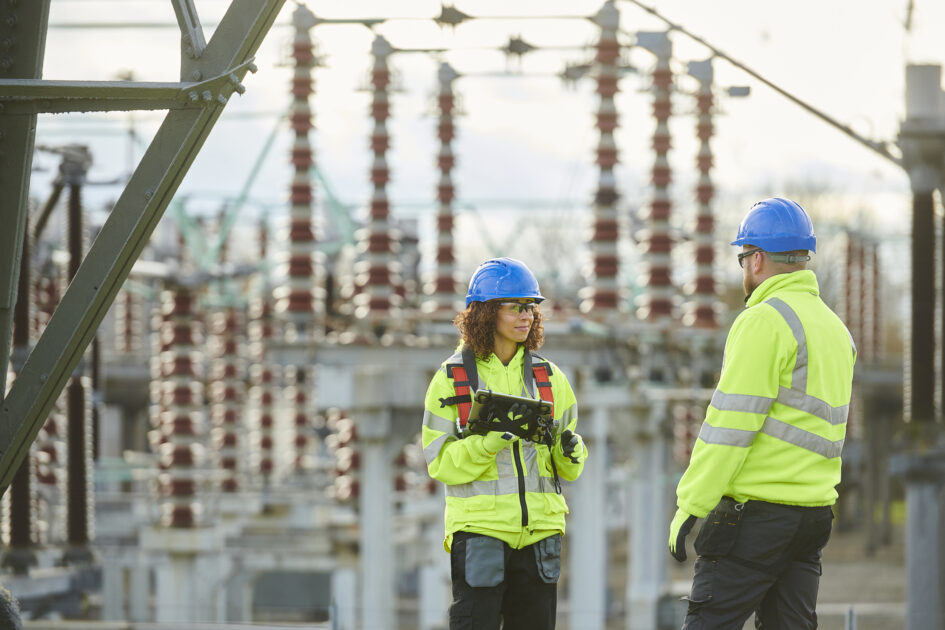
The United Kingdom has launched a new energy standard to make local energy planning faster and more effective, thanks to the standardization of processes and data sharing between local authorities and grid operators. This plan will benefit communities and save local councils time and money.
Climate Resilience: 4 Key Areas Cities Are Focusing On

Climate change has made extreme weather events increasingly common and more severe. Heat waves, torrential rains, and other natural disasters are forcing cities to make new design decisions. The way to address these challenges lies in climate resilience.
Apartment housing development has been on the decline in many cities – what’s next?

One of the major challenges of this decade is the housing crisis: it affects several countries as a cross cutting issue in which demand for housing is not being met. The slowdown in the construction of apartment buildings is, at first glance, one of the key reasons. The reality, however, is far more complex than a lack of housing developments.
Smart Utilities: Digital Transformation in Urban Services
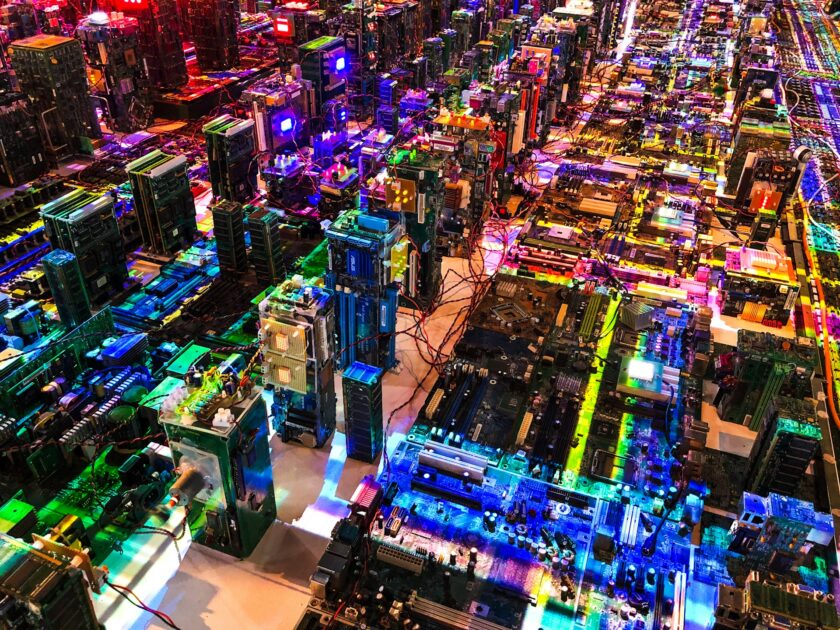
Historically, public utility systems were designed for one-way supply and centralized control, leading to inefficient asset utilization. By contrast, smart utilities integrate sensors, advanced analytics, and automation to create self-monitoring and self-optimizing networks capable of real-time system oversight, predictive analysis, and dynamic two-way communication between public services and customers.
How some developing cities are integrating smart technology to improve processes
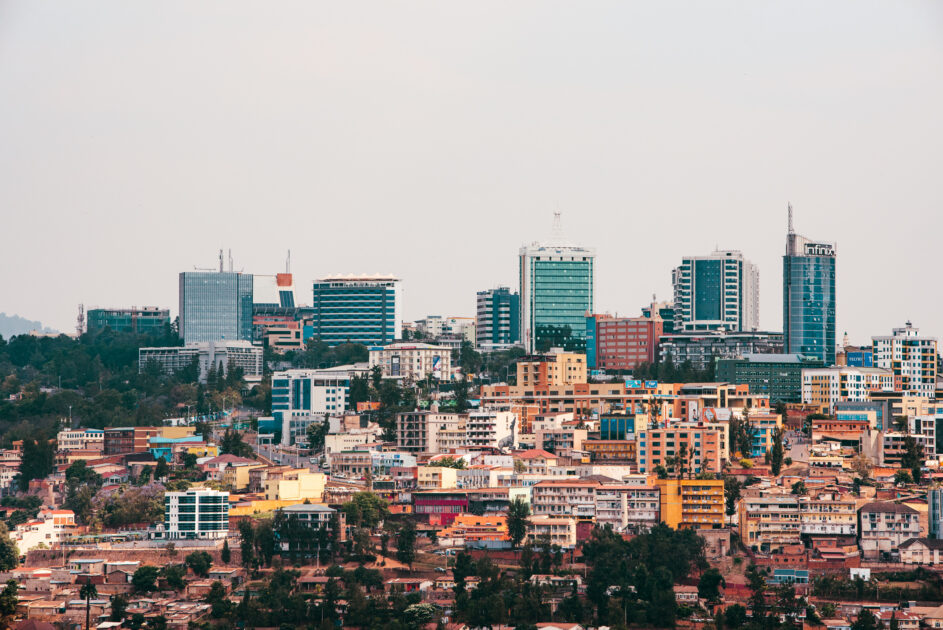
There may be a handful of cities located in developing countries that are classified as smart cities. Although they are less prevalent than in other regions, these pioneering cities are breaking the mold by strategically deploying innovative technologies to tackle urban challenges, drawing on the experiences of other smart cities and adapting solutions to fit local conditions.