Author | This is a guest post written by Valentina Taddeo, Marketing & Communication Leader of Paradox Engineering SA – MinebeaMitsumi Group
Cities around the world are increasingly turning to digital innovation to enhance their residents’ lives, increase the variety and quality of services’, face climate change connected risks and manage business’ expectations of opportunities and economic growth – all while dealing with regulations and budget challenges.
Becoming “smart” is not just about a city being tech-savvy, it also implies using the data deriving from the technology to implement services to the benefit of citizens, businesses, and the environment. A city turns smart when it can take informed decisions based on real data and change and adapt its services based on tangible evidence.
FROM SMARTNESS TO SAFETY

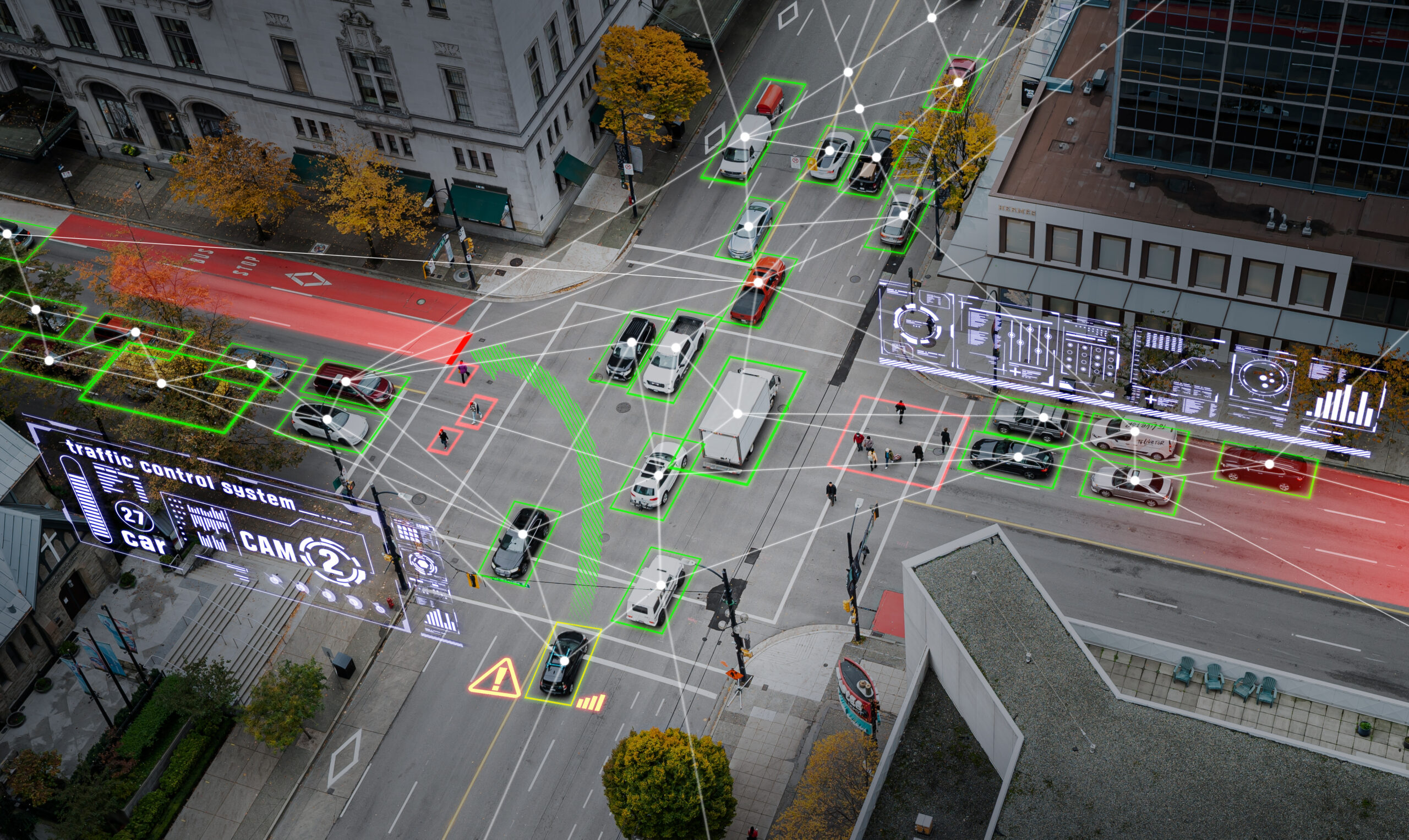
Citizen’s safety and their sense of security is today a major concern to all municipalities. A smart city that fails to make its residents safe is failing one of the main concepts of being smart: understanding the needs of the citizens and take appropriate action to solve them. The “sensorization” of a city, just like the arms of a person, thus enables city managers to feel and understand the urban landscape.
Through the analysis of the data collected by the sensors, city managers can then implement strategies to make the city more resilient, attractive and ultimately safe. The deployment of environmental sensors, for instance, accomplishes two main objectives: on the one hand these sensors provide a more local and granular picture of the environmental parameters, in order for instance to activate or deactivate services like public garden’s irrigations, or have a better prediction of the solar panel energy outputs based on solar irradiation level; on the other hand, by monitoring the heat and UV intensity, public authorities can generate alerts when certain thresholds are reached and inform citizens to stay indoors or to avoid a certain area of the city where heat and solar irradiation is beyond safe levels.
These “threshold-triggered alerts” are in place in Japan already, for example, where an increasingly elderly population suffer the most from heatstroke.
FROM SAFETY TO SECURITY

The sense of safety is however twofold: it also encompasses the digital identity, the personal data, as well as business and governmental data that are stored and managed on the same platform. With an increasing number of smart applications and devices linked on the same IoT network, connected devices may represent the ideal entry point for cybercriminals to exploit vulnerabilities and get access to people’s data, take control of critical infrastructures or hijack business operations.
Ensuring cybersecurity of a smart city is a daunting problem but it cannot be overlooked: cybersecurity skills and resources, appropriate selection of suppliers, right procedures in place – all concur to defer, limit, and respond to cyberthreats, and to avoid citizens’ prejudice and refusal of new ambitious city plans towards new applications and technologies.
ACHIEVING THE TRIPLE S: IS THAT EVEN POSSIBLE?

Achieving smartness, safety and security should not be a utopia: with the right tools, processes and technology suppliers in place, cities can benefit from smart solutions to increase citizen’s safety and build a strong defence against cyberattacks. Safety and security are high in the agenda of Paradox Engineering, an IoT technology provider part of MinebeaMitsumi Group that offers full scale solutions developed with a security-by-design and security-by-default approach.
Their Smart Urban Network enables the monitoring and control of all connected devices, with the possibility of triggering alerts when certain thresholds are reached. Smart city customers of Paradox Engineering can also benefit from the services of a Security Operation Centre (SOC), that monitors, detects and responds in case of cyberattack. Gijon, in Spain, Las Condes, in Chile, or Nasuhiobara, in Japan, are only few examples of smart cities that are relying on Paradox Engineering’s technology and expertise and managed to build a robust IoT infrastructure for the betterment of their citizens.
Images | Sigmund, Alex Eckermann, Alejandro Perez, Denys Nevozhai