



Table of Contents
Author | Raquel C. Pico
The wheel was one of the earliest human innovations, something hardly surprising when you consider all its potential applications. It first emerged in the distant past, yet no matter how increasingly complex trends in global mobility become, the essence remains the same. Human beings need to move, both themselves and raw materials, and mobility trends shape their daily lives. Understanding not just today’s wheel, but tomorrow’s, is essential to grasp how things are likely to change.
What Do We Mean by Global Mobility Trends?
Definition and scope: beyond vehicles to integrated ecosystems
It only takes a storm in one corner of the world or a failure in infrastructure elsewhere to reveal the real-world complexity of the global transportation market. Mobility is both a highly local issue and a profoundly global one. That is why trends in global mobility are deeply interconnected and drive a powerful global industry. This includes all forms of mobility that address the major challenges of today, an area where new technologies are playing an increasingly prominent role. Smart mobility, in fact, is now commonplace rather than a rarity.
According to Statista, the global connected mobility market will reach $1.68 trillion in 2026 and grow at an annual rate of 4.96% through 2030. This analytics firm includes all existing collective transportation modes in its calculations. Focusing more specifically on the elements driving trends in global mobility, the figures drop to $73 billion, as noted in a Market Research analysis examining the potential growth of shared services such as cars or bicycles.
Why mobility trends are reshaping cities and economies

There are several reasons driving this growth, as well as explaining why cities, states, and even supranational organizations are paying close attention to mobility market trends. The main forces behind this interest converge around a search for efficiency: there is a need to relieve the congestion caused by current mobility solutions while reducing economic, social, and environmental costs.
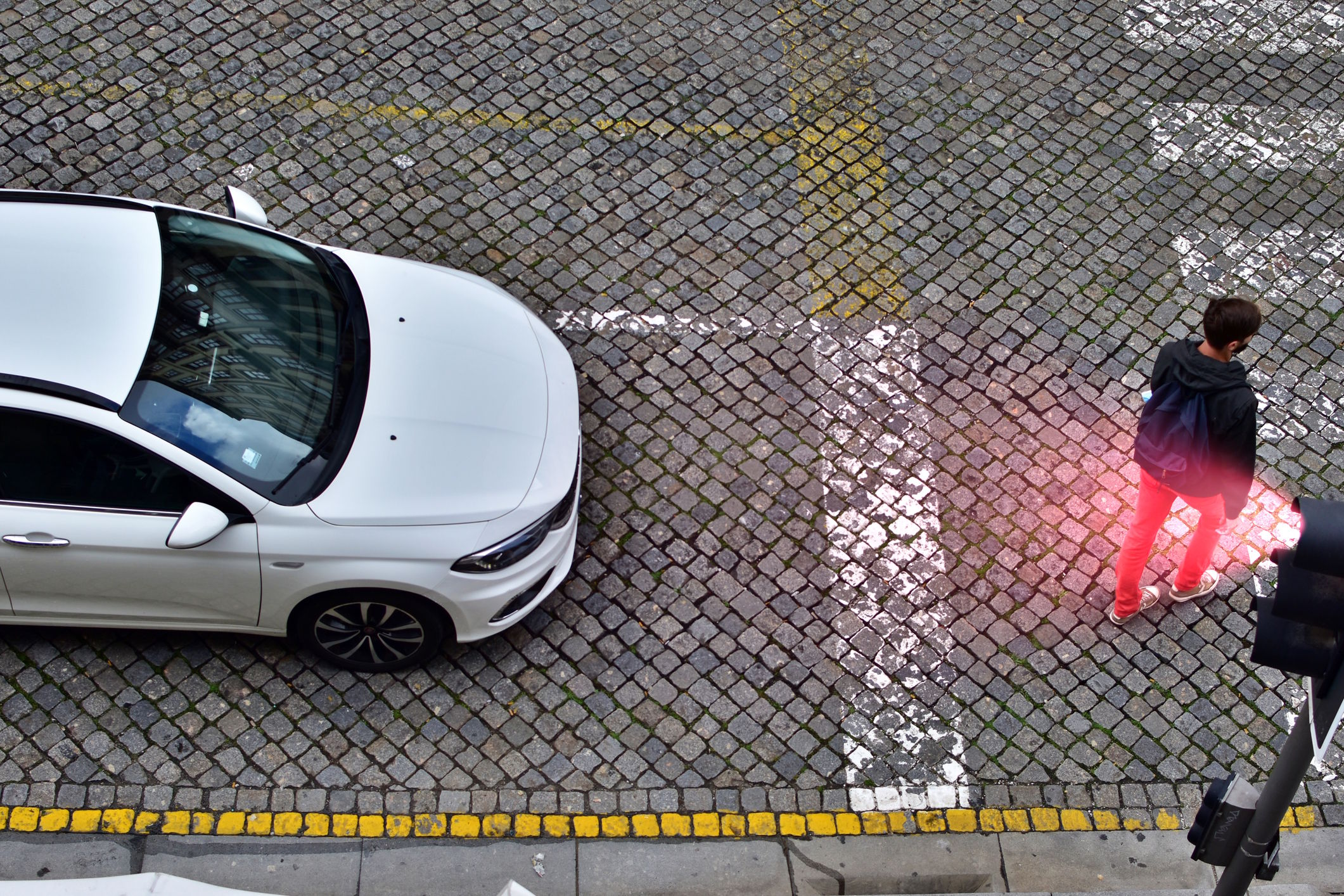
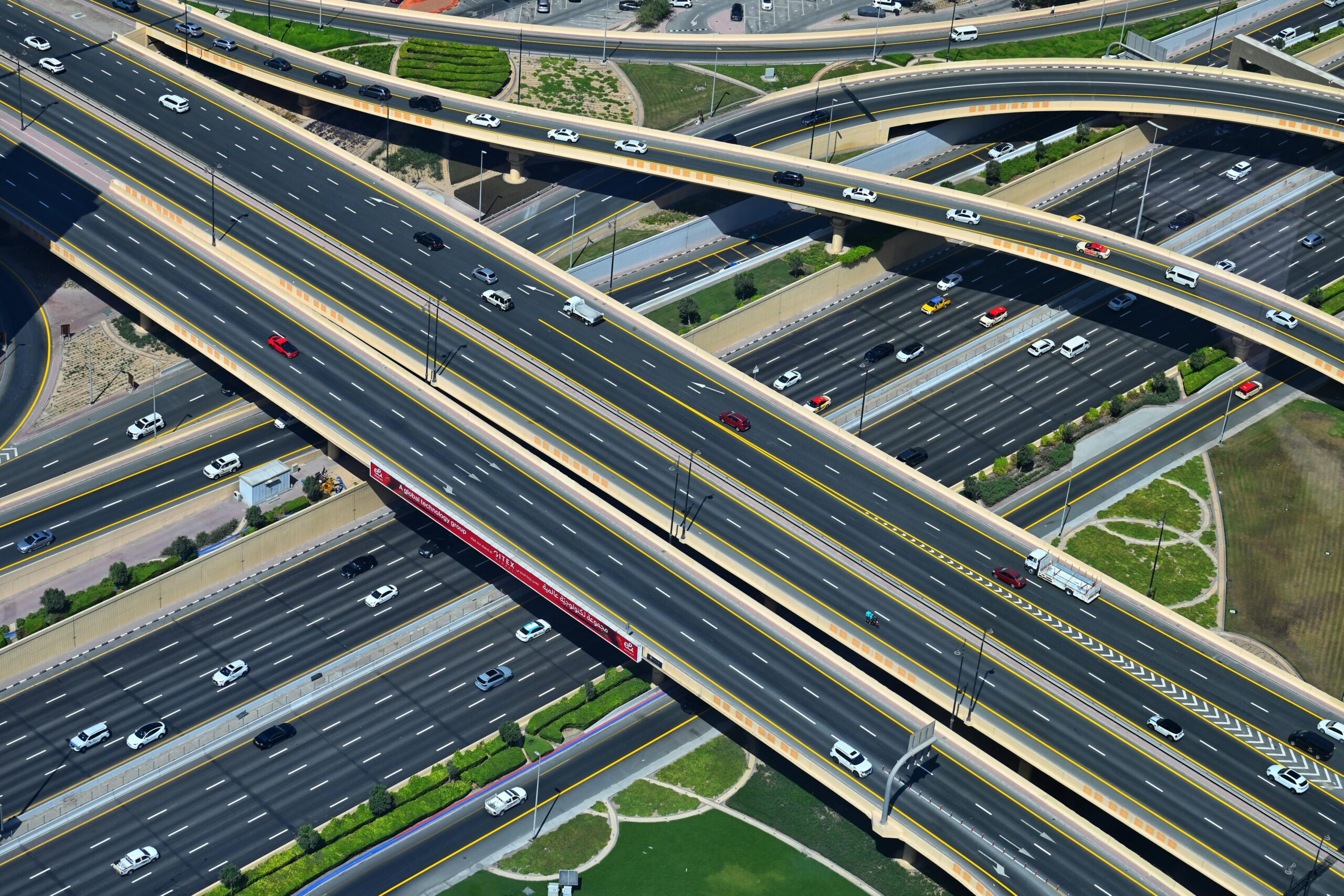
In fact, Market Research identifies rising global urbanization as one of the key drivers behind mobility trends, taking full advantage of and smart cities. More and more people are living in cities, which further congests their streets. The situation is especially complex in cities that have grown very rapidly, as they have had less time to adapt to the new scenario and have seen their infrastructures become overwhelmed. This is the case in Mumbai and Delhi (India).
At the same time, technology and regulatory changes aimed at creating greener cities have forced decision-making and adjustments.
Key Mobility Trends Worldwide
One thing the past decades have in common is a constantly changing context, which means trends and key movements also evolve very quickly. Cities have had to learn to navigate this environment, especially in a field like mobility, where remarkable advances have taken place in record time. Even so, some trends have emerged as pivotal and have become the backbone of the new global mobility landscape.
It could be said that environmental concerns run through all of these points. The push for green transportation in regions like the European Union, along with the implementation of low-emission zones in multiple cities, has reshaped transportation patterns.
Electrification and the rise of EV infrastructure
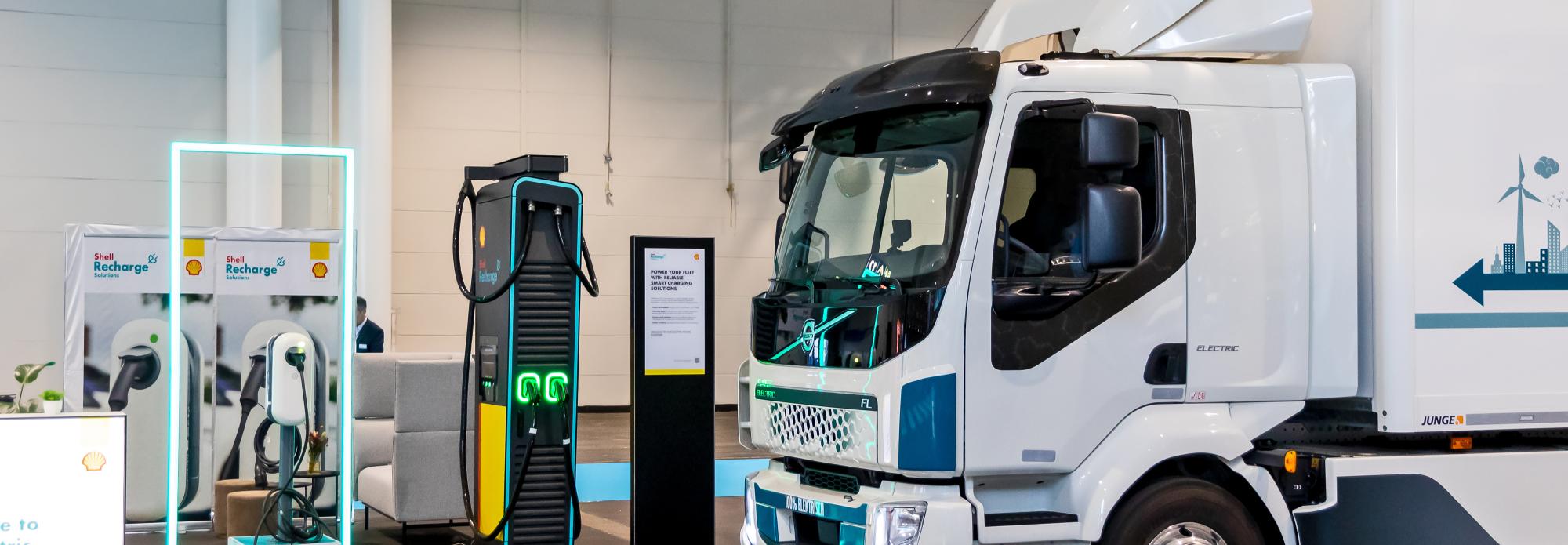
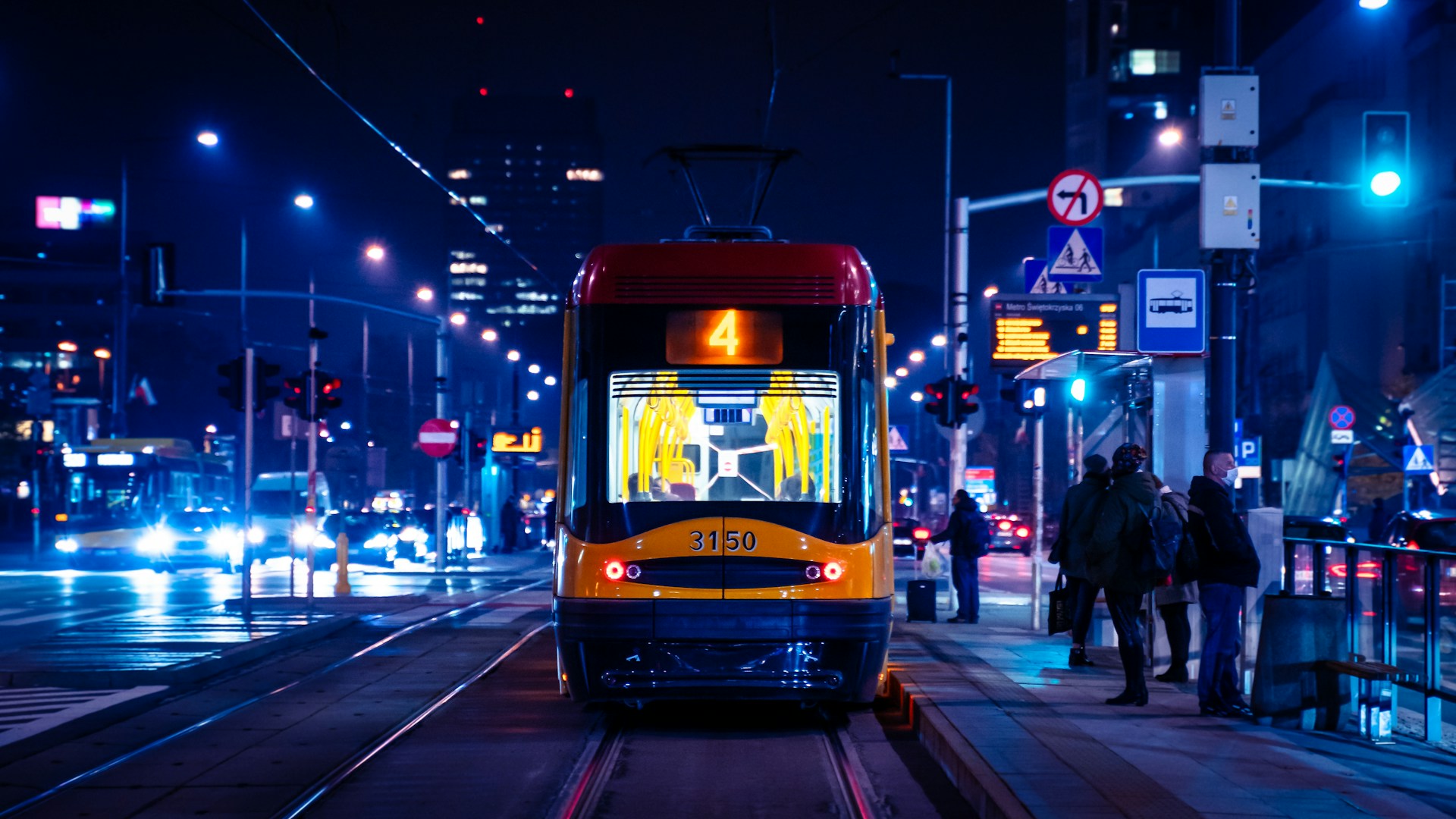
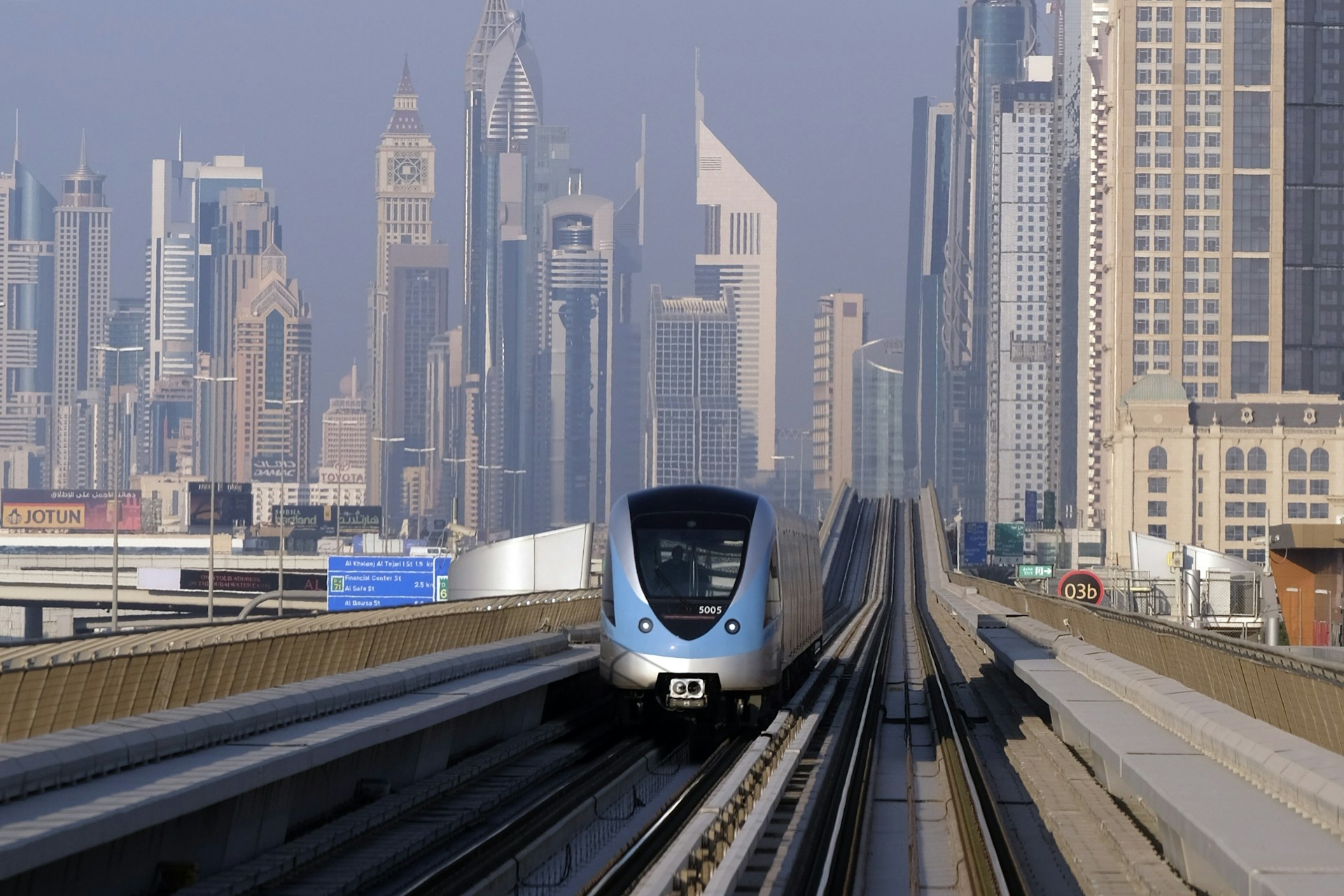
One response to the push for cleaner transportation has been electrification. A perfect example is the railway network, which is being electrified to promote trains as a clean mode of transport and to encourage high-speed travel. Perhaps the most visible example, however, is electric cars, which are increasingly present in cities and supported by a growing charging and management infrastructure. In the European Union alone, there are already around 910,000 charging points, though this number remains low compared to fleet electrification expectations.
Shared mobility, ride-hailing and subscription models
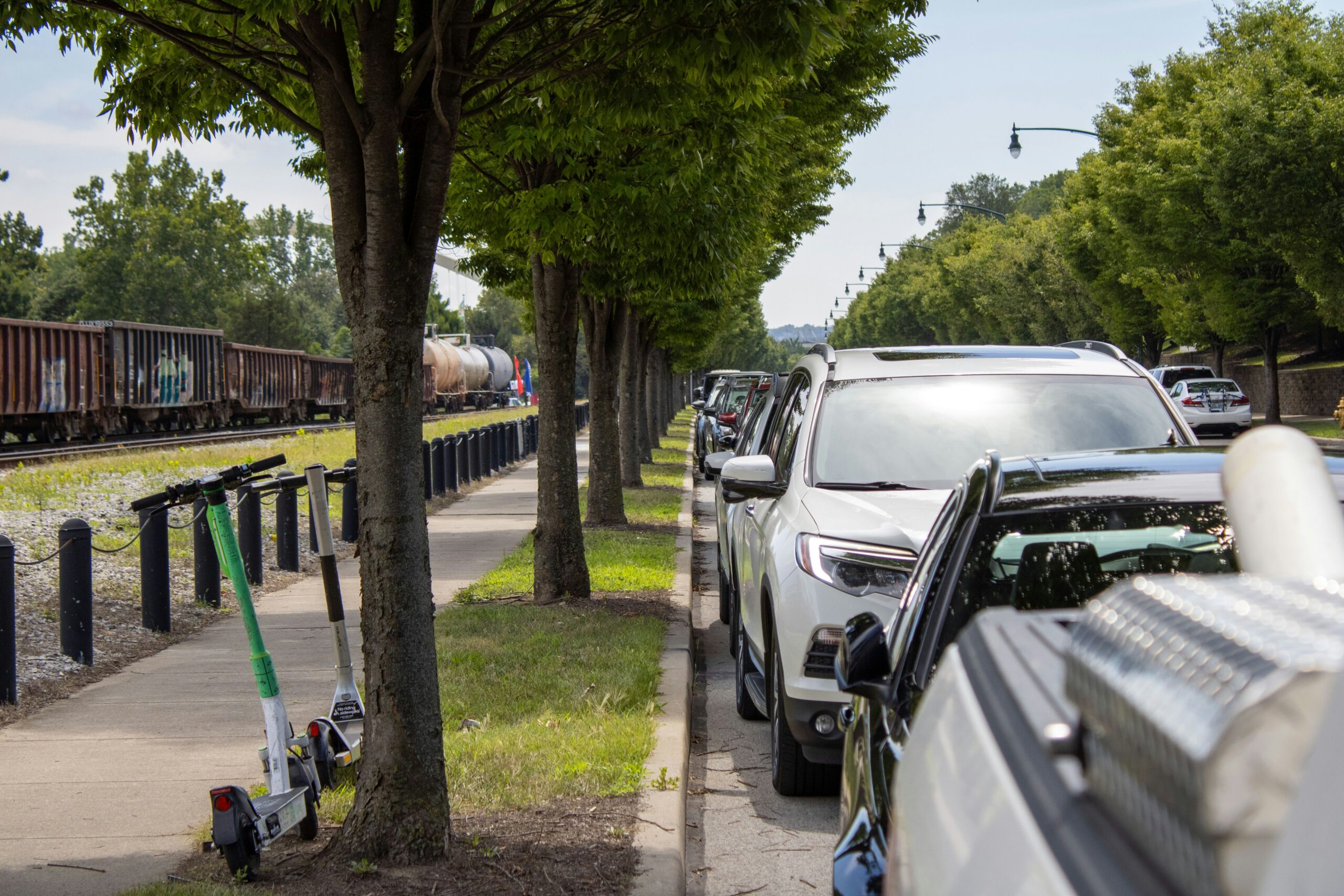
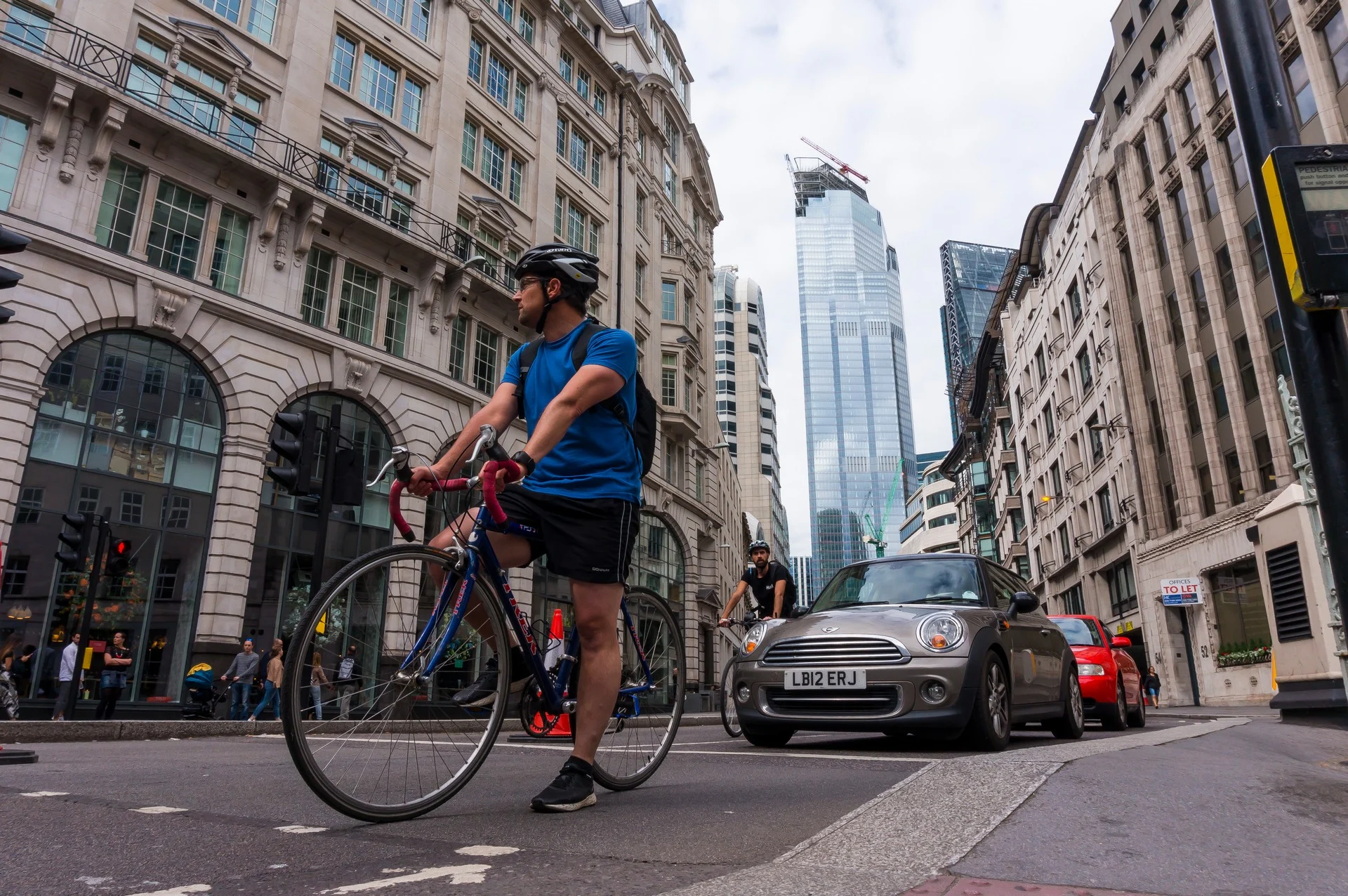
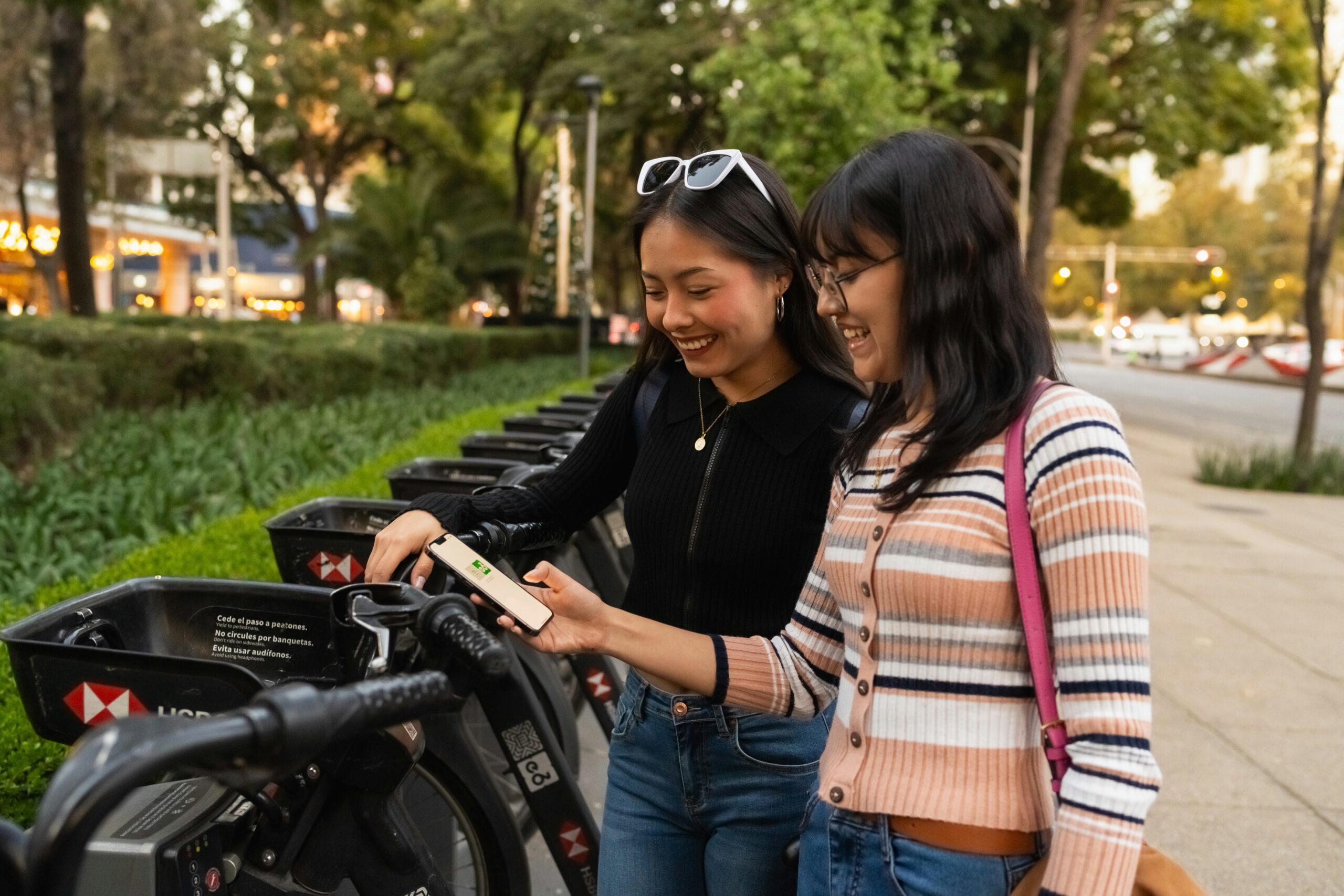
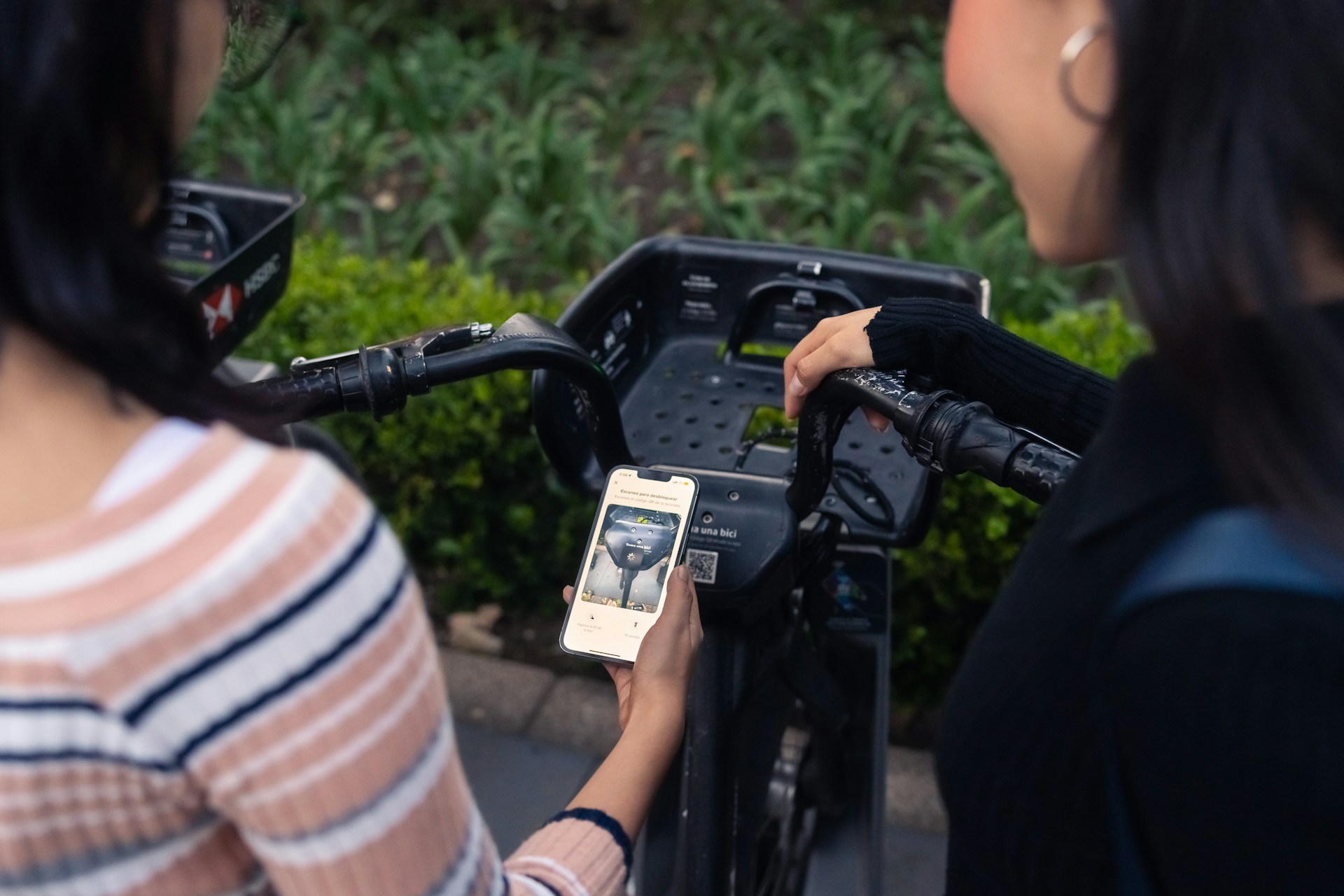
Companies like Uber and Cabify have become ubiquitous in cities across much of the world, while people are increasingly willing to try different models of vehicle access, such as subscriptions instead of ownership.
Autonomous vehicles and AI-driven transport systems
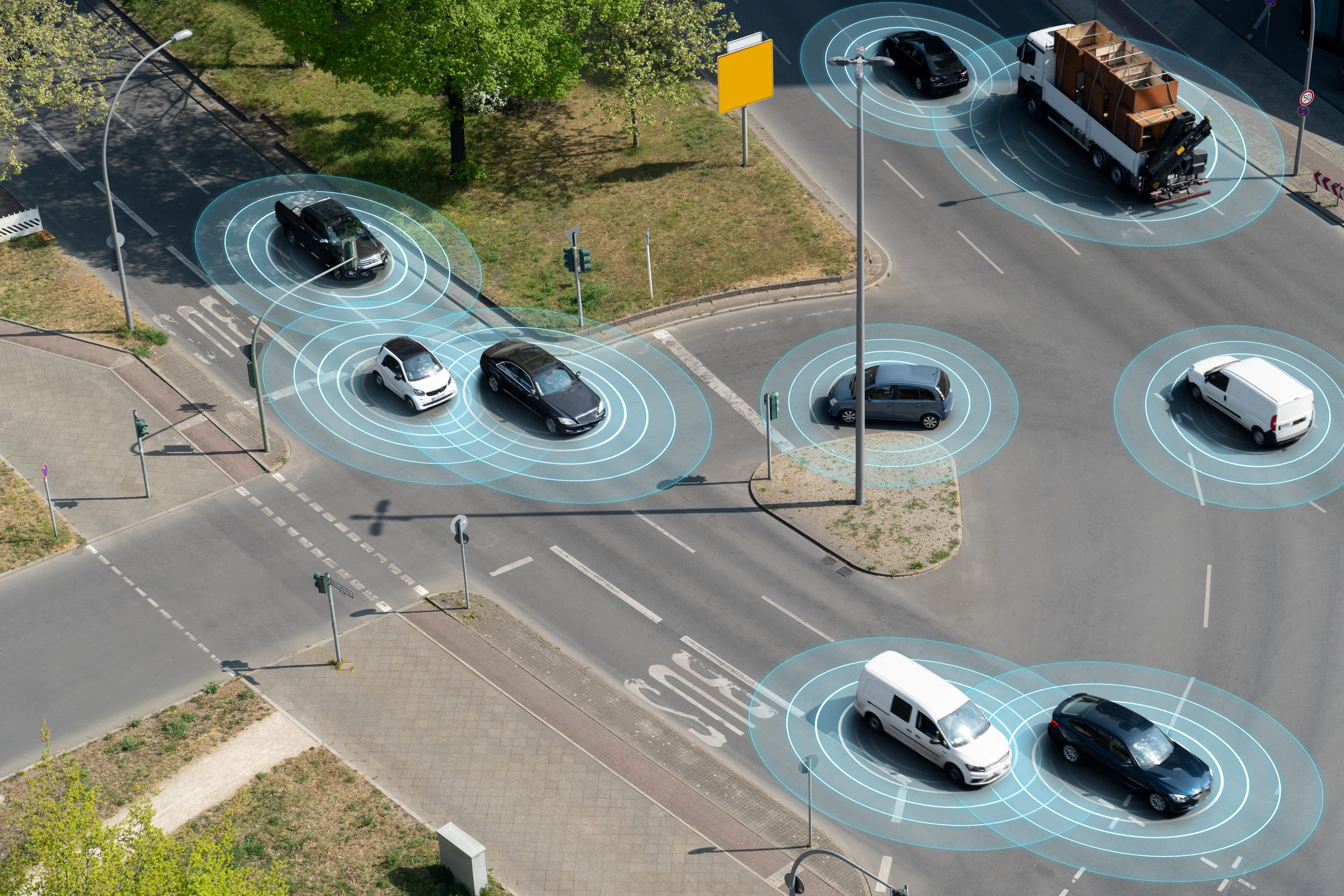
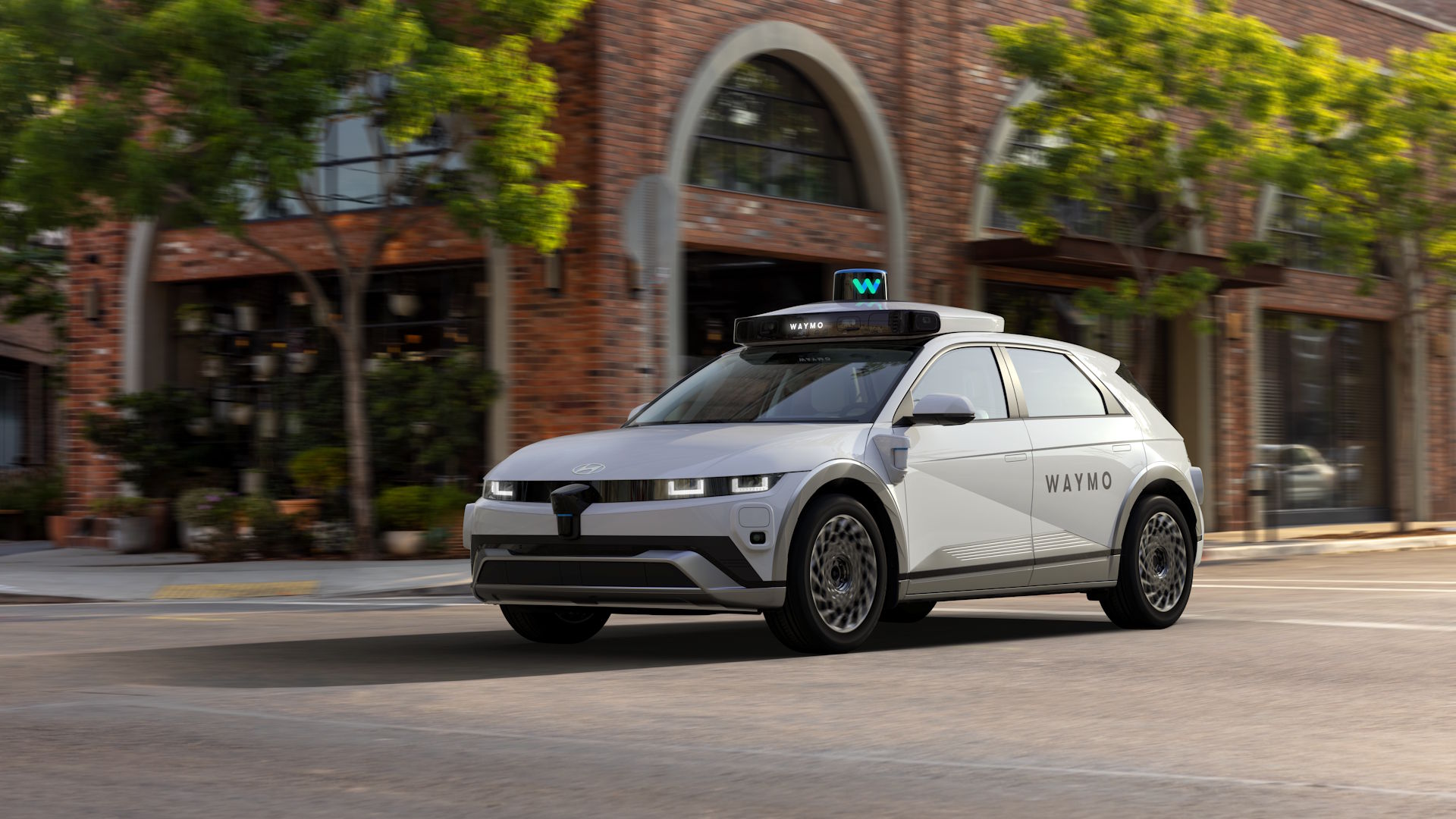
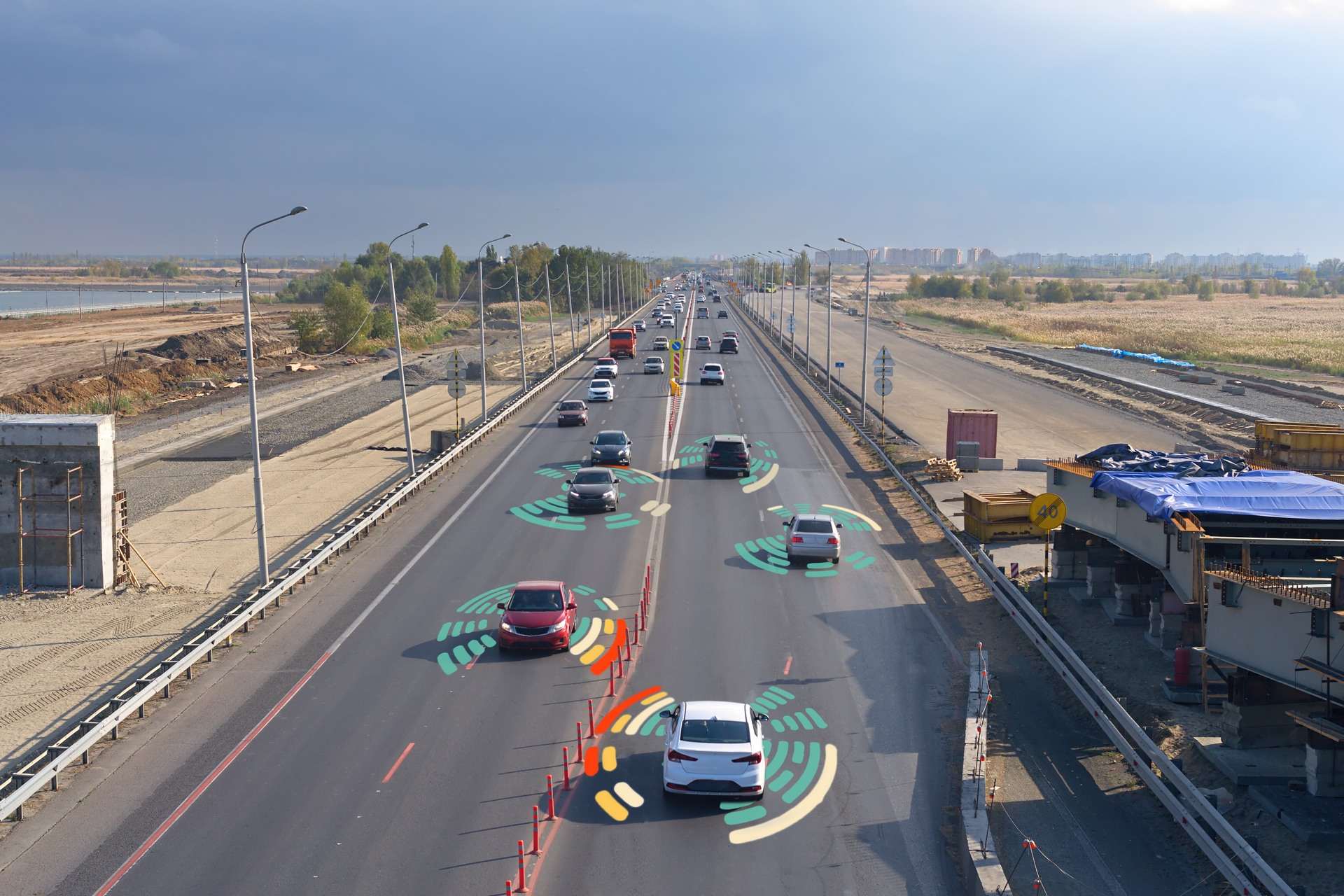
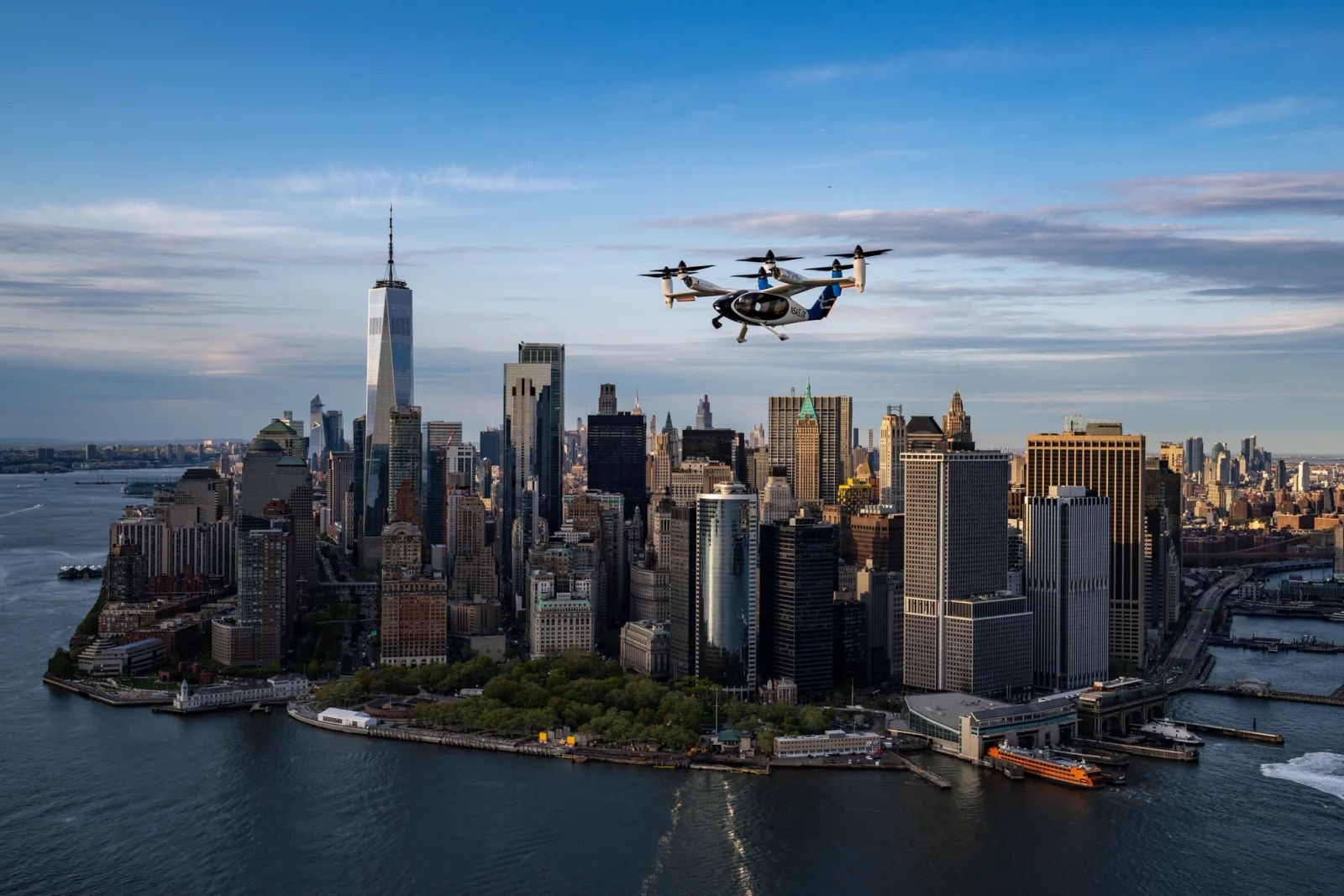
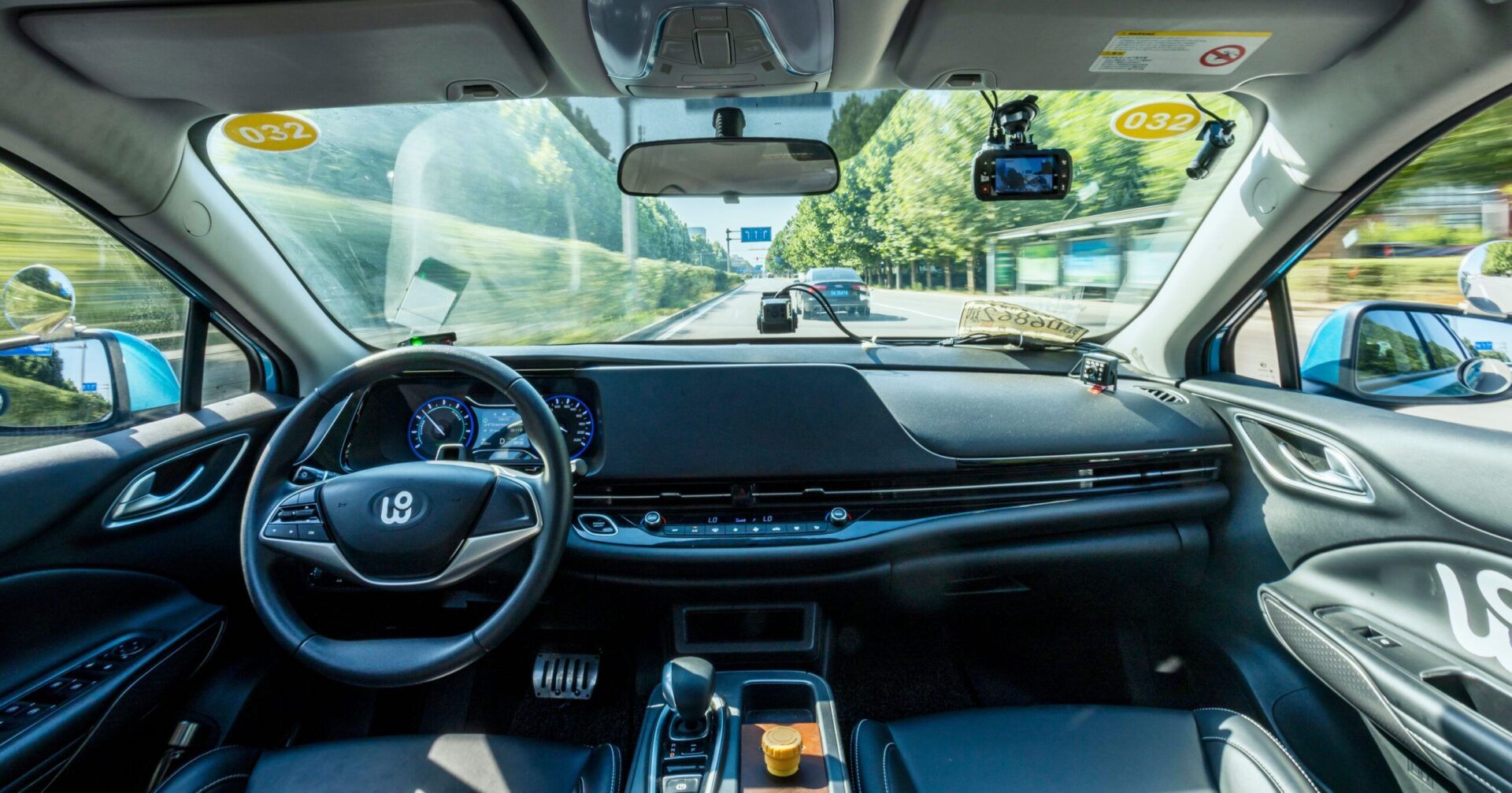
Major technology companies have been testing autonomous vehicles over the past decade, running pilot programs in various cities. Initially, these tests took place in the United States and China. They are now expanding beyond these countries. Abu Dhabi, for example, is trialing a robotaxi service. The core idea is to increase transport efficiency and reduce congestion in urban centers.
This is also where artificial intelligence comes into play. Market Research identifies AI, along with the Internet of Things (IoT), as one of the key elements revolutionizing mobility. Intelligent traffic management systems using IoT have already reduced congestion by 20% in the cities where they have been tested.
Green logistics, last-mile solutions and freight innovation

One area where autonomous vehicles could play a crucial role is the last mile, a major contributor to traffic congestion in urban centers that faces growing pressure from the rise of e-commerce. Transportation is also, in general, one of the largest sources of greenhouse gas emissions (accounting for 20% of the global total), which has driven efforts to optimize it and reduce its environmental footprint.
How to Adapt to Global Mobility Market Trends
Vienna serves as a model for other cities seeking to make changes. Its rental policies are often cited as a positive example, but it is also a global reference in mobility. This has been achieved through a refined multimodal transport strategy that integrates the major trends in global mobility. Vienna shows that it is possible to adapt to these trends and achieve significant results.
It is not easy, partly because citizens are sometimes resistant to change and reluctant to give up long-standing mobility habits (as happens, for example, whenever urban areas are converted to pedestrian zones), and partly because trends in global mobility change and evolve very rapidly. However, adjustments can be made, and progress is possible. Cities must engage in constant updating, monitoring the latest developments and studies, while also avoiding common mistakes.
Essential criteria: scalability, interoperability and resilience
A city cannot afford to implement a mobility trend now and abandon it a few years later to adopt another, either because the first one does not allow for growth or because it conflicts with existing systems. Doing so would waste resources. Mobility trends should be scalable, so they can grow alongside the city, and interoperable, to integrate with both existing infrastructure and future developments. In short, they should enhance the city’s resilience.
Common mistakes to avoid in adopting mobility innovations
Trends in global mobility can only go as far as their context allows. One of the most common mistakes is adopting trendy solutions without considering whether they truly meet the city’s needs. It is essential to conduct a careful assessment first, identifying actual needs and, above all, comparing them with what mobility innovations can realistically achieve.
It is equally important not to overlook recurring challenges. One is infrastructure itself. If it cannot support what is being deployed (as sometimes happens with the electric mobility boom), implementing the trend will only create chaos, no matter how promising it appears. Another challenge is regulation. Some developments exceed what current legal frameworks allow, requiring updates to regulations or new laws to address the changes introduced by trends in global mobility. At the same time, these new trends cannot ignore existing laws. Some systems may conflict with privacy regulations.
The Future of Global Mobility
Market analyses have identified a strong pattern: the five years leading up to 2030 will be a period of significant dynamism, during which the mobility market will drive innovations, business developments, and, above all, high levels of interest from cities that are increasingly aware of the need to optimize their transportation patterns.
Emerging trends: MaaS platforms, hydrogen transport and digital twins
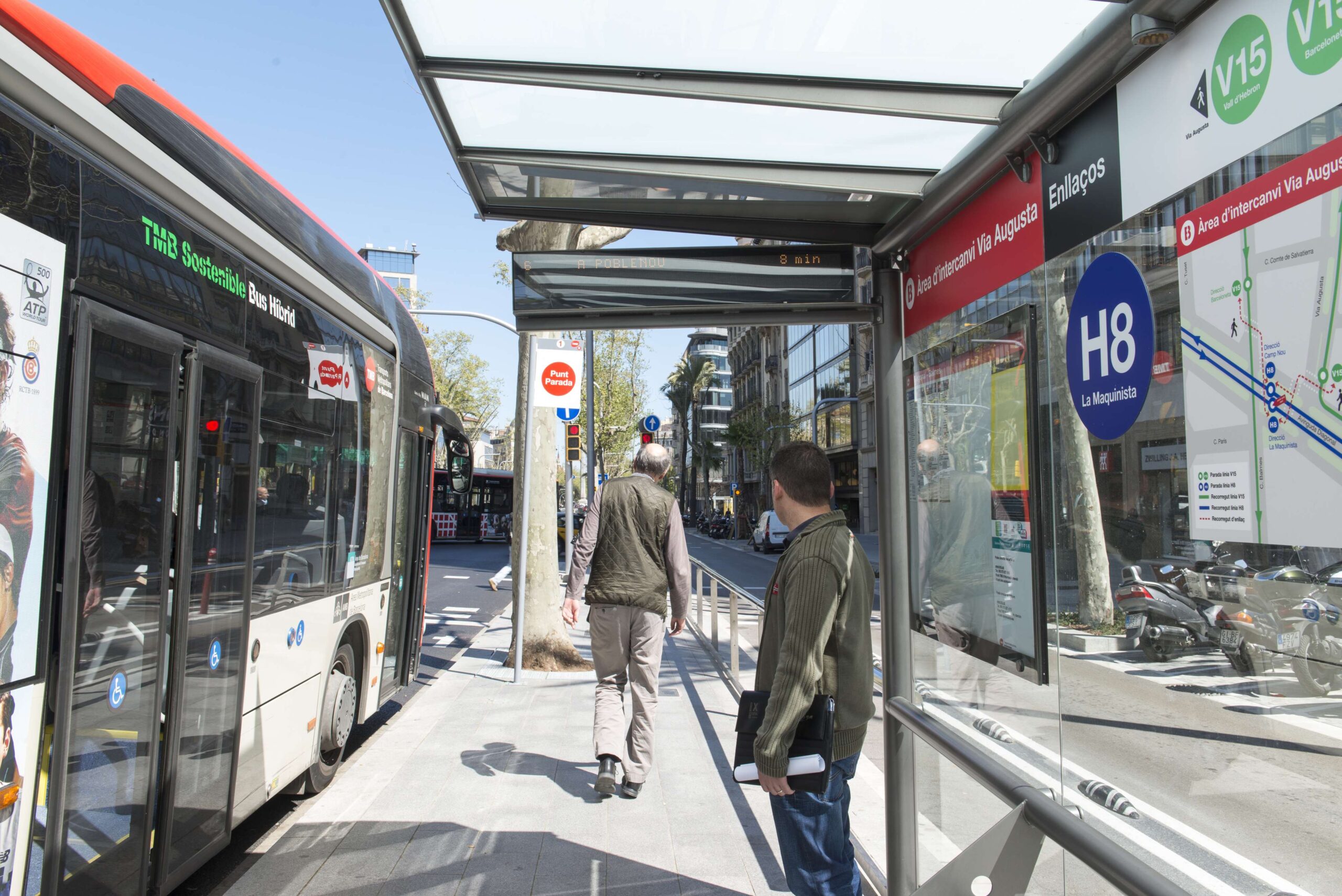
It is now possible to identify some of the key components of this new landscape. One of the essentials will be mobility as a service, or MaaS. Various platforms will position themselves as levers to simplify urban travel, reducing friction in payments, travel times, and multimodal connections.
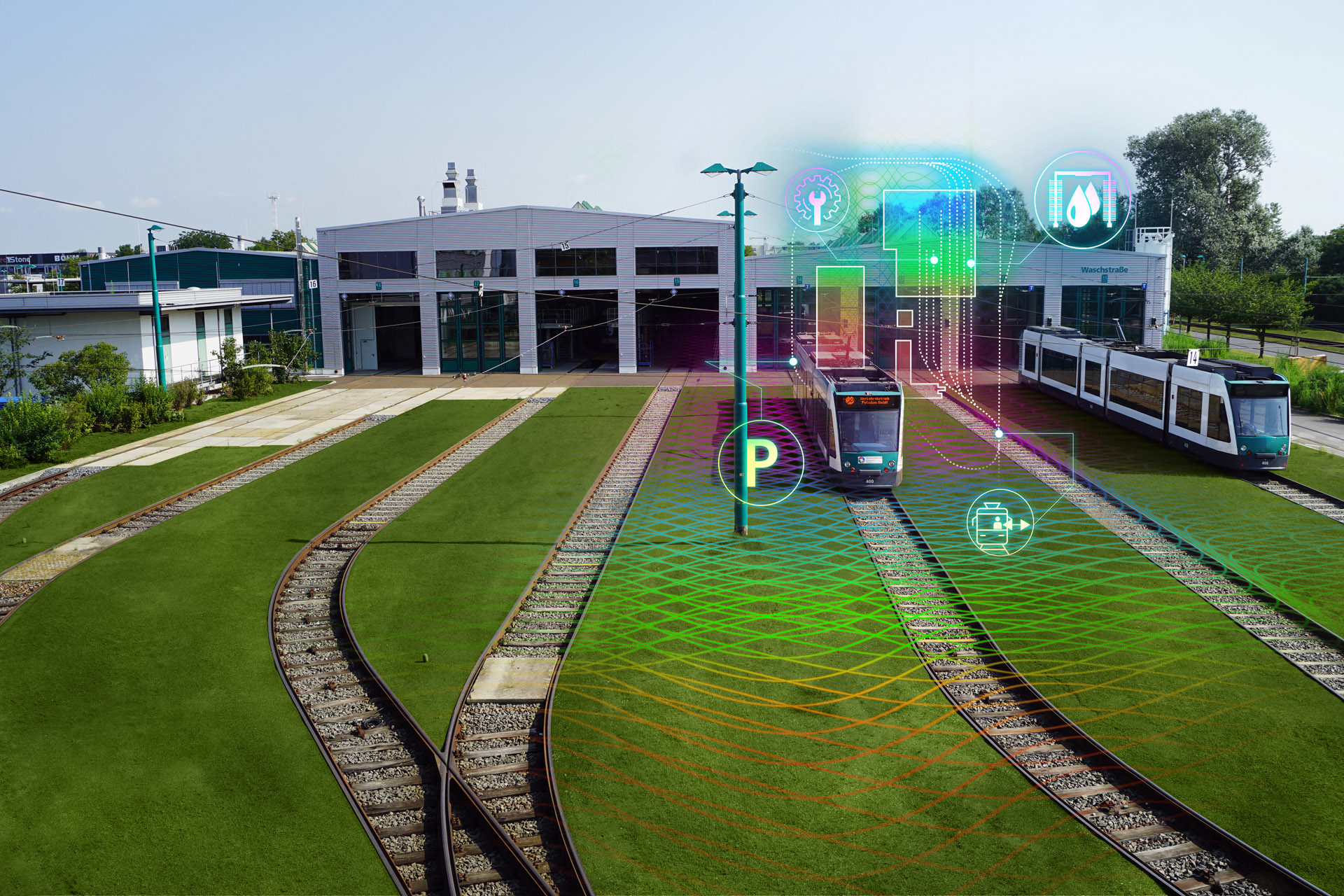
Of course, all of this will take place in increasingly digitalized cities, further strengthening the presence of IoT and the use of intelligent mobility management tools. Smart mobility will be ubiquitous, enabling the repeated use of new elements that help make better decisions. This includes digital twins, virtual versions of cities themselves that help improve understanding of transportation. Tools like connected vehicles will generate real-time data and help optimize these solutions.
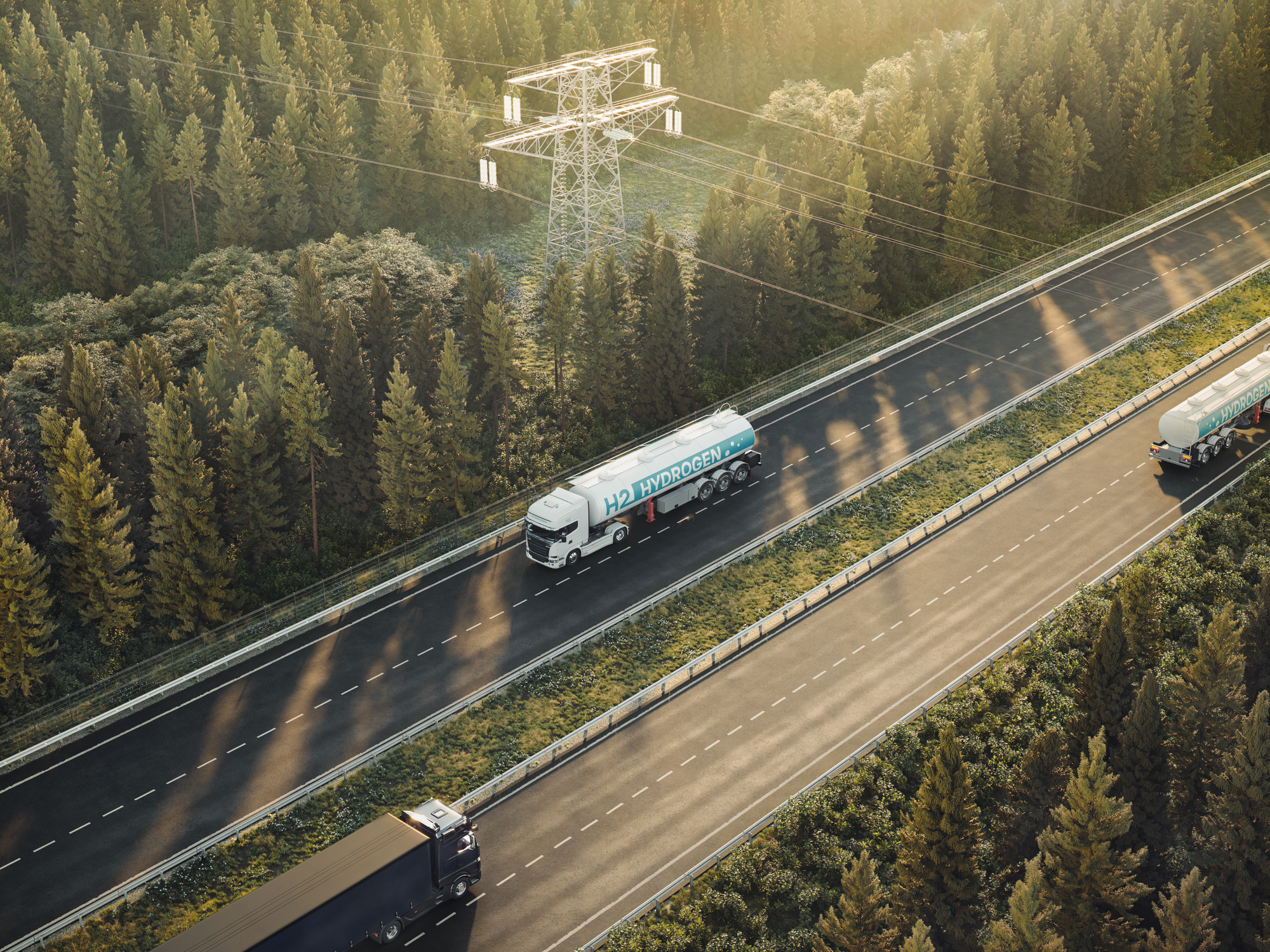
Finally, the drive for cleaner cities will boost alternatives to fossil fuels and the adoption of new types of vehicles. Hydrogen-powered transport is one of these rising alternatives. These vehicles only produce water vapor as emissions.
The role of Tomorrow.City in accelerating mobility transformation
All of this creates a complex landscape, full of nuances but also of solid potential solutions to today’s urban challenges. This is what makes events like Tomorrow.City even more relevant: they are the key to understanding what is happening, what lies ahead, and how each city can leverage it.
Photos | Totojang/iStock, IGphotography/iStock, metamorworks/iStock, halbergman/iStock, alvarez/iStock