



Table of Contents
Author | Raquel C. Pico
The age-old dream of conquering the skies has long captured human imagination; as early as the beginning of the 20th century, people were already imagining single-passenger flying vehicles as a solution to the first traffic jams. An idea that for decades seemed out of reach but today is moving from the realm of science fiction into reality. Vertiports are set to become the key transportation hubs of the new era of air taxis and aerial mobility.
What are vertiports?
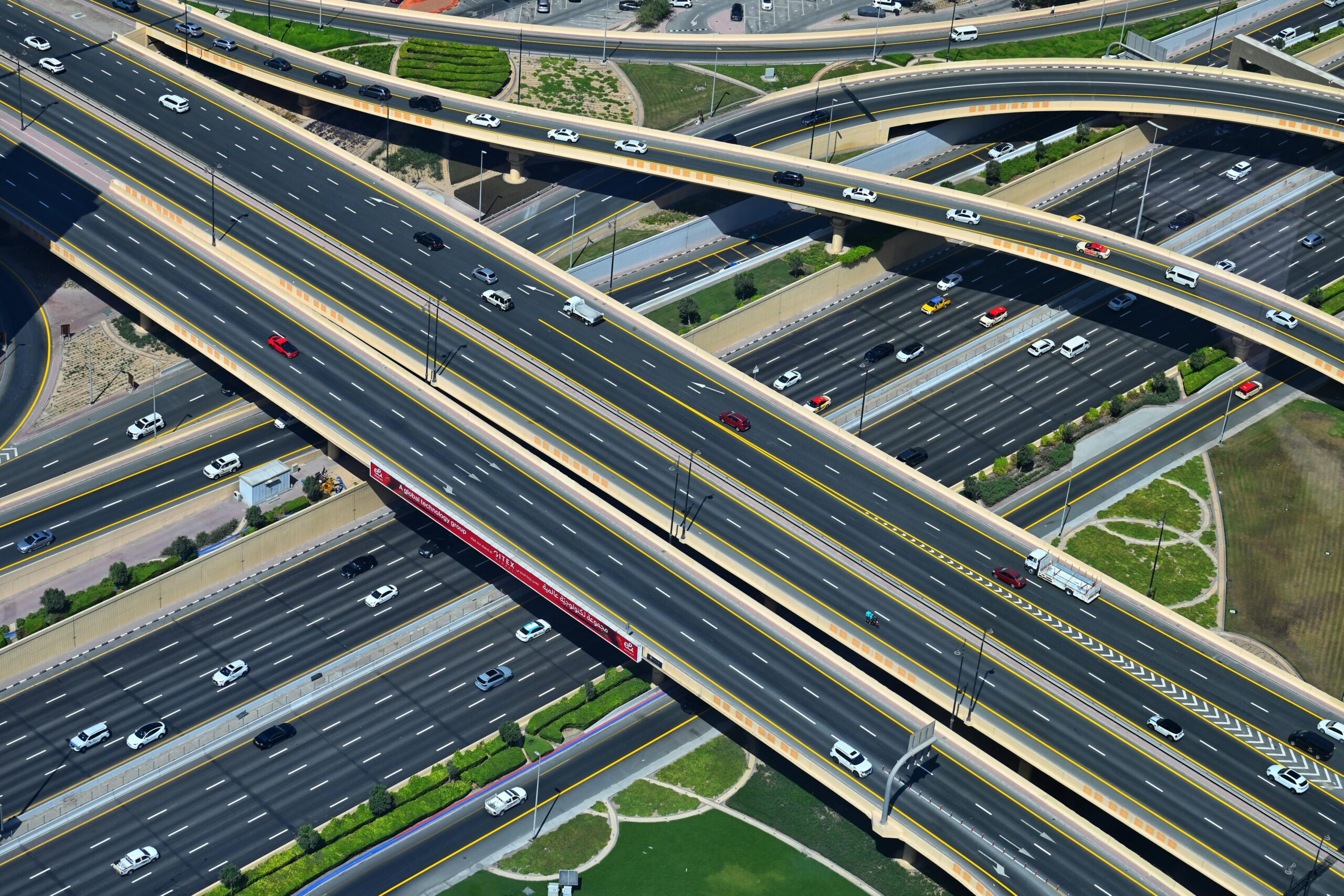
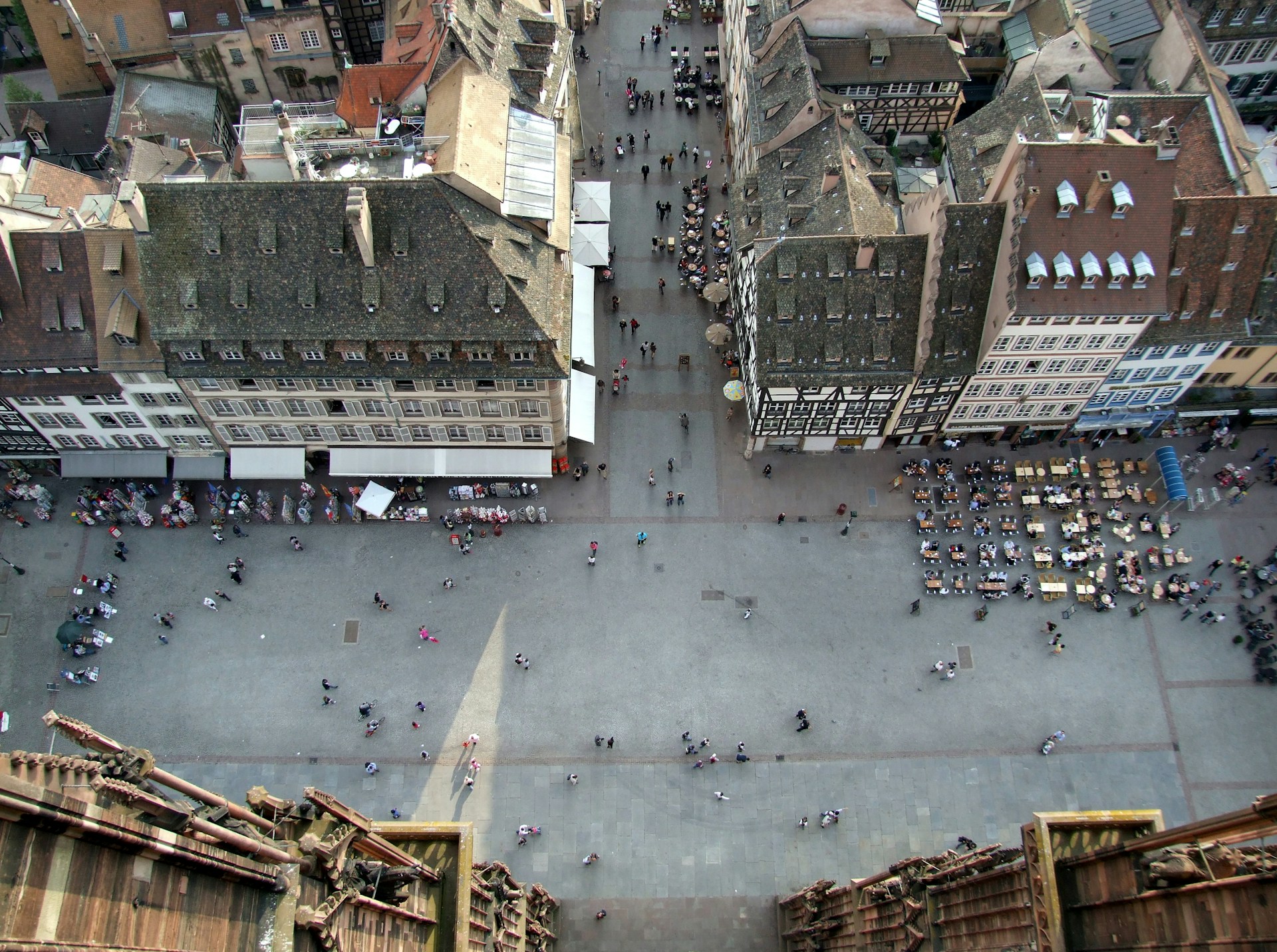
Today’s urban mobility planning faces several challenges. Urban population figures continue to rise, increasing pressure on transportation systems. At the same time, in today’s fast-paced world, people expect everything to run on time. Urban planning is focusing on more efficient mobility models, with clean public transportation systems and on-demand options that can meet the specific needs of residents. This is where aerial mobility comes into play, along with vertiports.
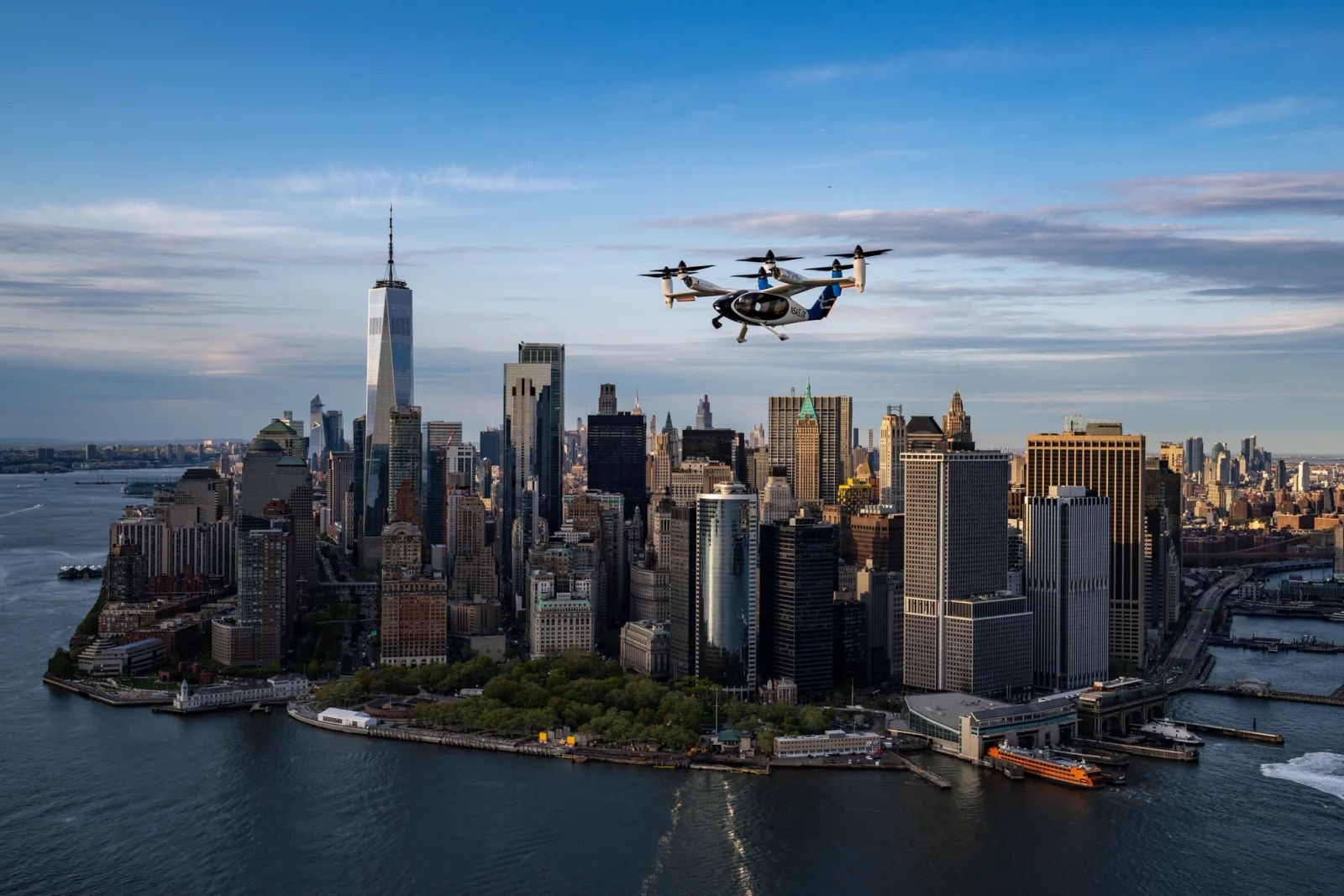
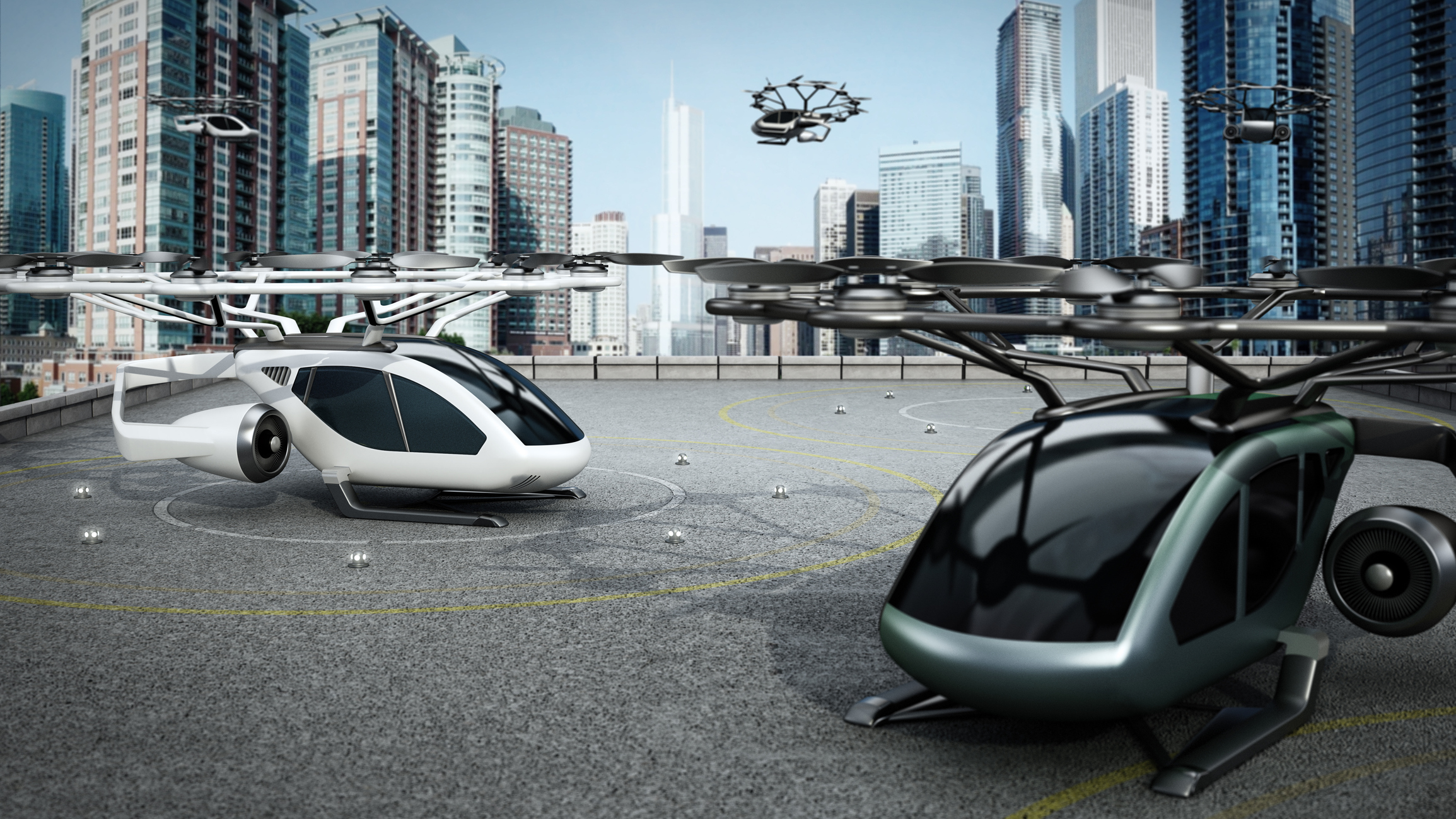
Vertiports are a new breed of transportation hubs. They are the spaces where eVTOL (all-electric Vertical Take-Off and Landing) aircraft take off and land, the key devices of urban air mobility. They are fully electric aircraft, a kind of advanced drone capable of transporting people. In short, they are the urban mini airport of the future.
The challenges of vertiports
The descriptions used by organizations such as the European Union Aviation Safety Agency define vertiports as “an area of land or water” or as “a structure” used for the takeoff and landing of VTOL aircraft. At first glance, it seems like a simple idea, giving the impression that any location could be turned into a vertiport. In reality, creating these transportation hubs involves several significant challenges.
The first is the flight itself. As regulatory bodies point out, the trajectory that aircraft will follow during takeoff and landing must be considered, along with ensuring clear airspace for maneuvers, no matter how small these aircraft may be.
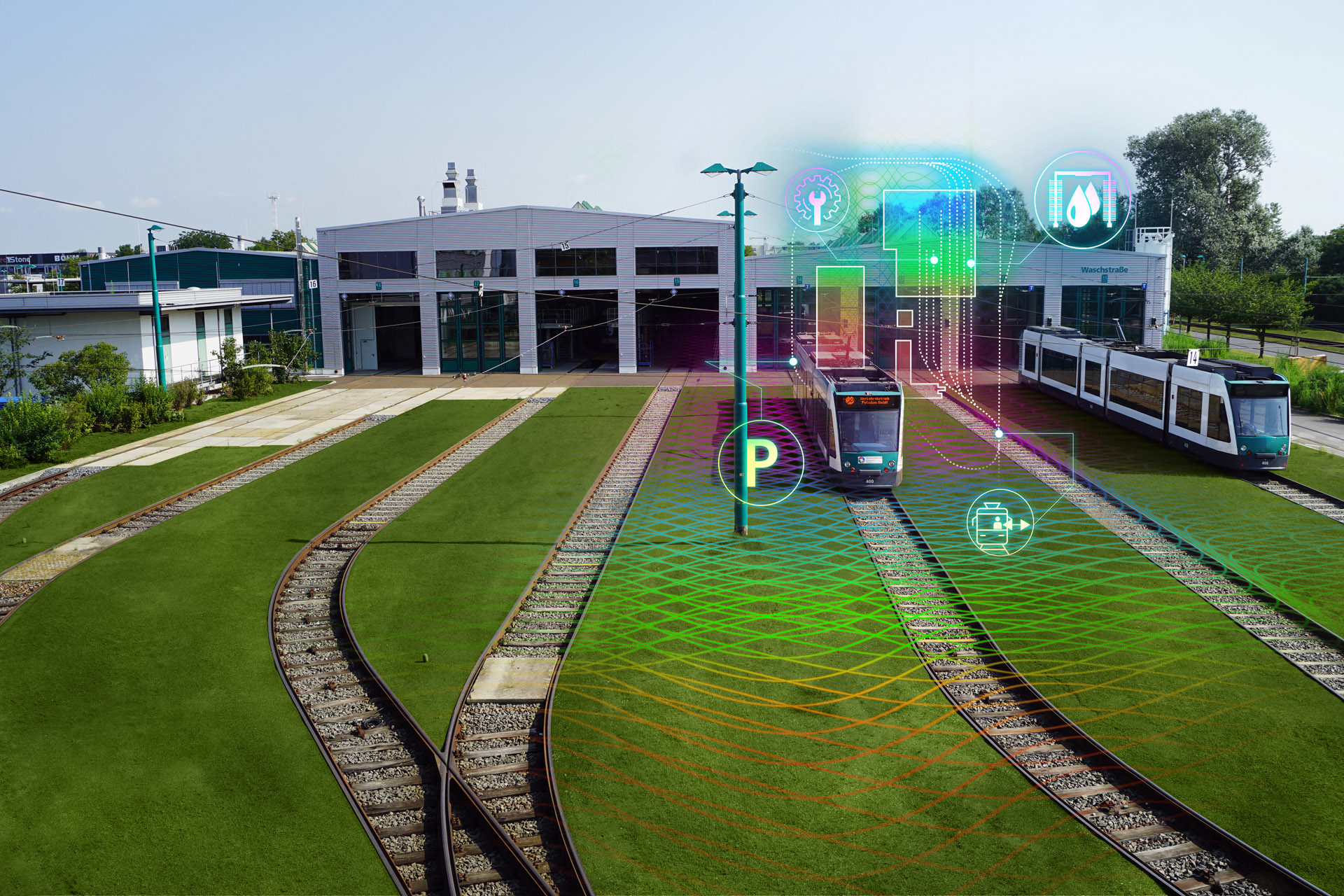
The second is linked to the efficiency of aerial mobility and to urban mobility planning itself. A study that takes the city of Chengdu (China) as a reference recommends using projection models for vertiports that take into account “factors such as noise, operating costs, and demand coverage.” On the other hand, as another analysis adds, vertiports must “accommodate passenger and cargo operations,” without overlooking logistics itself, such as device charging, as well as air traffic management.
Finally, current aviation regulations were designed for other types of transport and needs, so they will require legislative updates.
The uses of vertiports
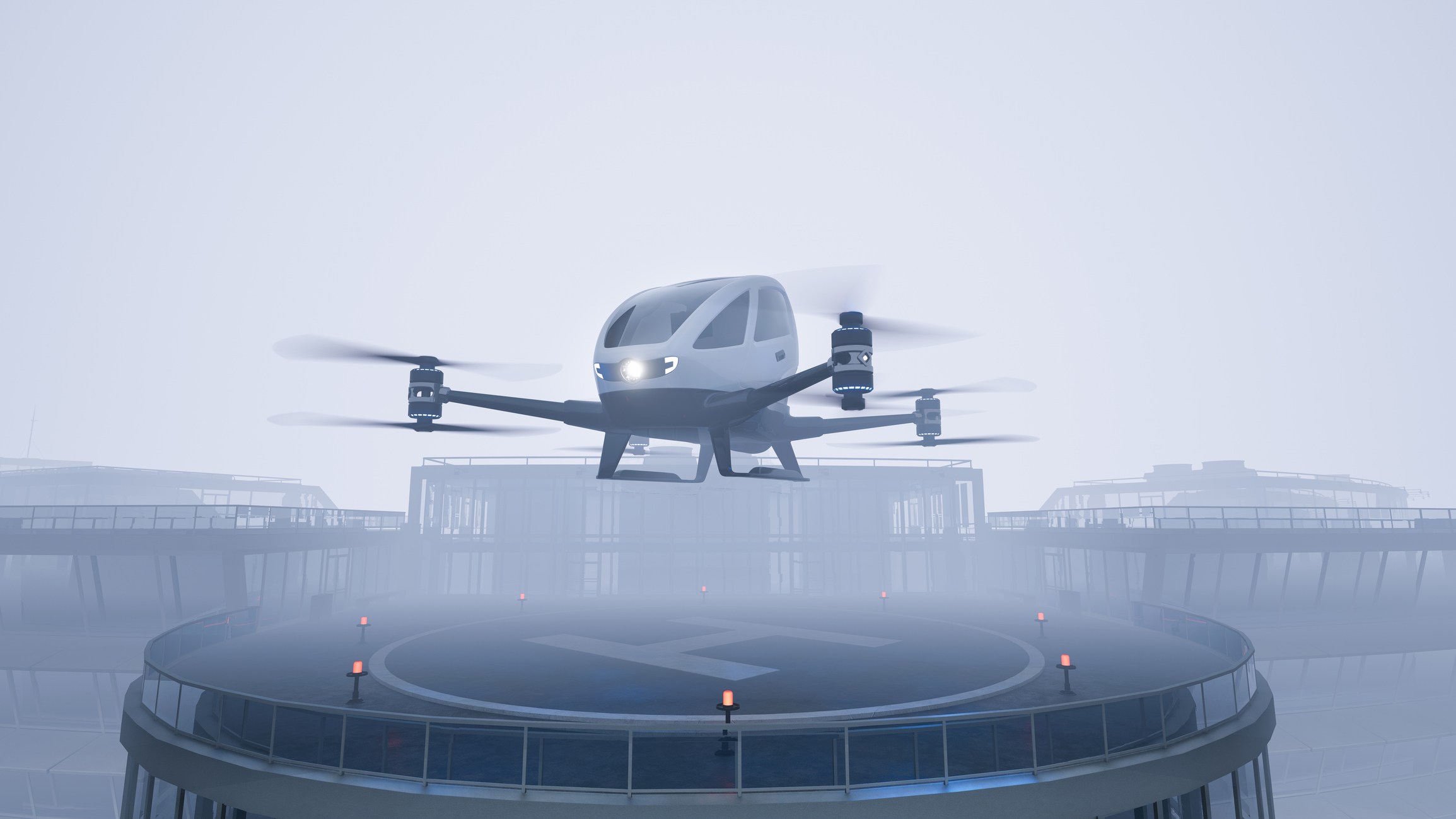
If these challenges are addressed, urban air transport has enormous potential, and vertiports can serve many purposes. They could become the transfer hubs of the future, spaces where citizens switch from one mode of transport to another, or a solution to congestion in city centers. They would also reduce average travel times, streamline goods delivery, and simplify connections between urban centers and rural areas.
According to a study by the European Union Aviation Safety Agency, public opinion is generally positive about the introduction of air taxis and eVOL medical services.
What is the future of air taxis?
Air taxis are the cornerstone of these plans. Some estimates suggest that by the end of the decade, the market will be worth $80.3 billion. Numerous cities have already set ambitious goals to promote their integration, as is the case of Dubai and its expectation of having more than 100 vehicles by 2026. New York City is another city exploring the potential of air taxis, and Uber has announced that it will offer air taxis in some areas of Europe by the end of 2026.
Vertiports FAQ
How much noise do vertiports make?
One of the recurring concerns among the public is whether mobility innovations will disrupt daily life. Air travel is often associated with noise, likely because people connect it with airports. Studies on vertiports already recommend considering noise pollution as a critical issue. Still, eVOL aircraft are electric, making them much quieter than helicopters.
Where can vertiports be located?
Vertiports are often assumed to belong on rooftops, as that seems like the most intuitive choice for efficiency. However, for them to function as transportation hubs, it is far more important that they be located in areas well connected to the city and to other modes of transport. Effective aerial mobility does not require placing vertiports on top of buildings.
Do they allow for a truly sustainable way of traveling?
The short answer is yes, since eVTOL aircraft are electric and can be powered by clean energy. The more nuanced answer is that not all electricity is green, and the manufacturing process still adds a carbon footprint.
When will vertiports begin operating?
Giving a specific answer is difficult, since vertiports will be located in very different regions. The best way to approach the question is to look at plans for air taxis: where there are air taxis, there will be vertiports. An expansion is expected toward the end of this decade, with the Middle East taking the lead before large scale deployment in Europe and North America.
Photos | adventtr/iStock, Kinwun/iStock