



Table of Contents
This is a guest post by Lucía Bellocchio, founder and executive director of Trend Smart Cities. Lucía has extensive experience working on urban innovation, and has written in leading media outlets in South America like La Nación, El Observador, Clarín or TN.
Last month, Argentina made a significant stride forward in urban development by signing the Argentine Charter for the Development of Smart, Sustainable, and Human-Centered Cities. This landmark document sets a precedent for aligning national and local efforts to guide the digital transformation of Argentine cities, emphasizing sustainability and social well-being.
It was initiated by the School of Government at Universidad Austral —an institution known for promoting a comprehensive approach to urban development rooted in the principles of smart city innovation —the signing involved collaboration among provincial and municipal authorities, including ministers, secretaries, mayors, and technical teams from various levels of government.
This joint effort aims to establish a foundation for cooperation and consensus, enabling Argentine cities to effectively face current and future challenges amid rapid technological growth and ongoing urbanization, a phenomena that are both unavoidable and transformative.

Key Figures and Events
Alfonso Santiago, Director of the School of Government at Universidad Austral, highlighted the significance of this initiative: «We are more committed than ever to strengthening public management in Argentina. It is with pride that we promote a collaborative, federal effort, resulting in a document that reflects shared principles and a vision for public policies that will foster national development.»
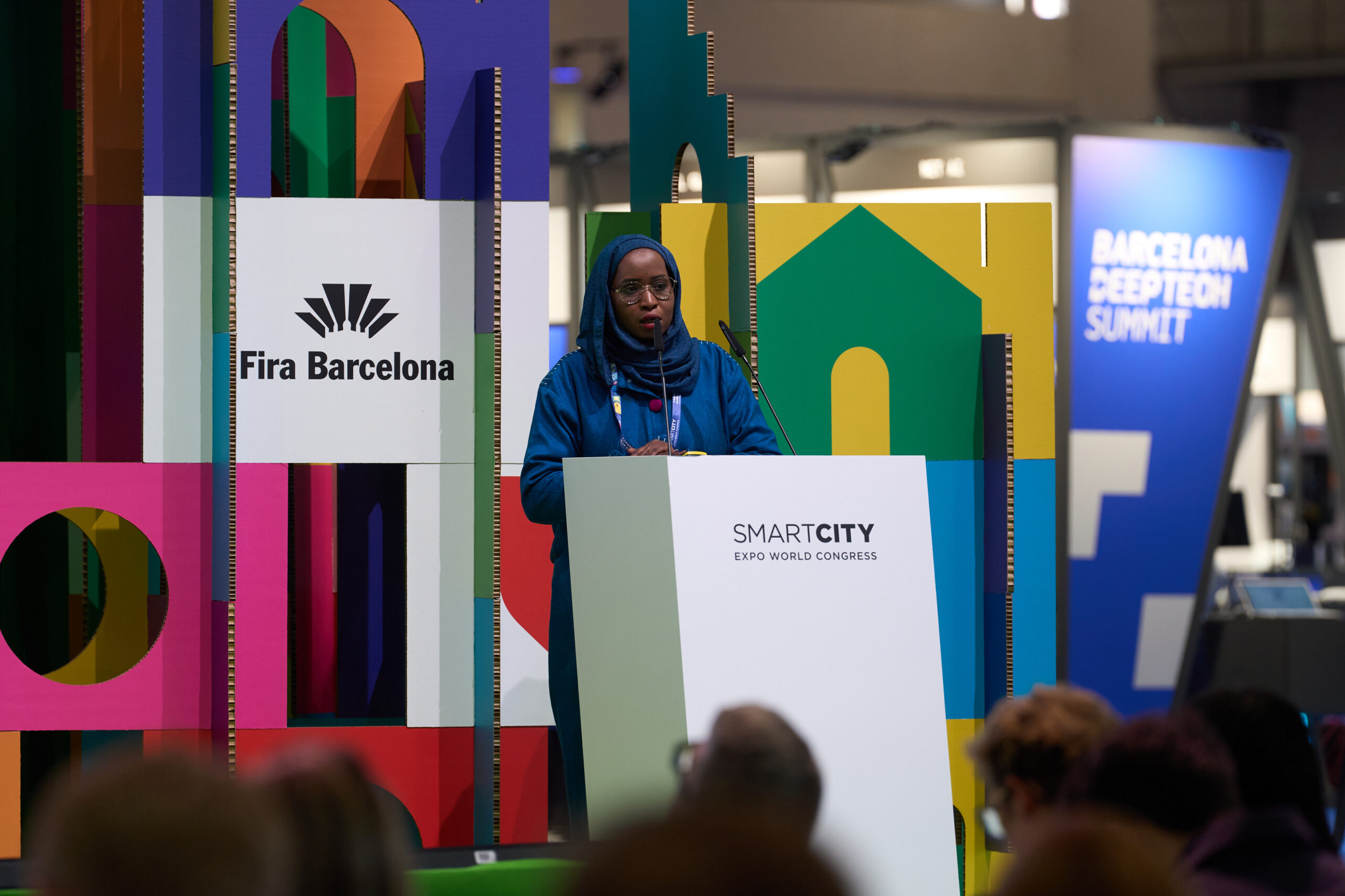
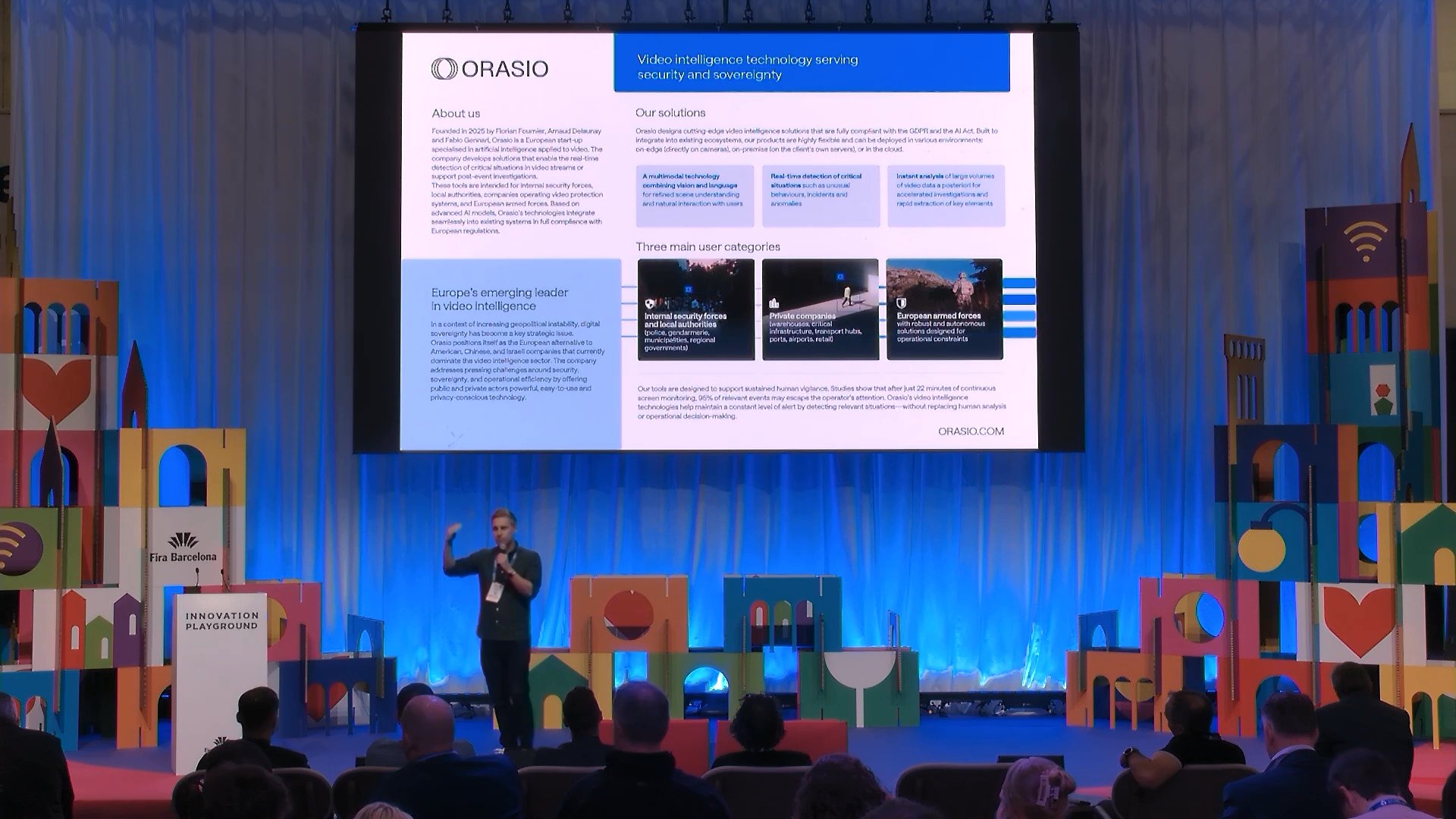
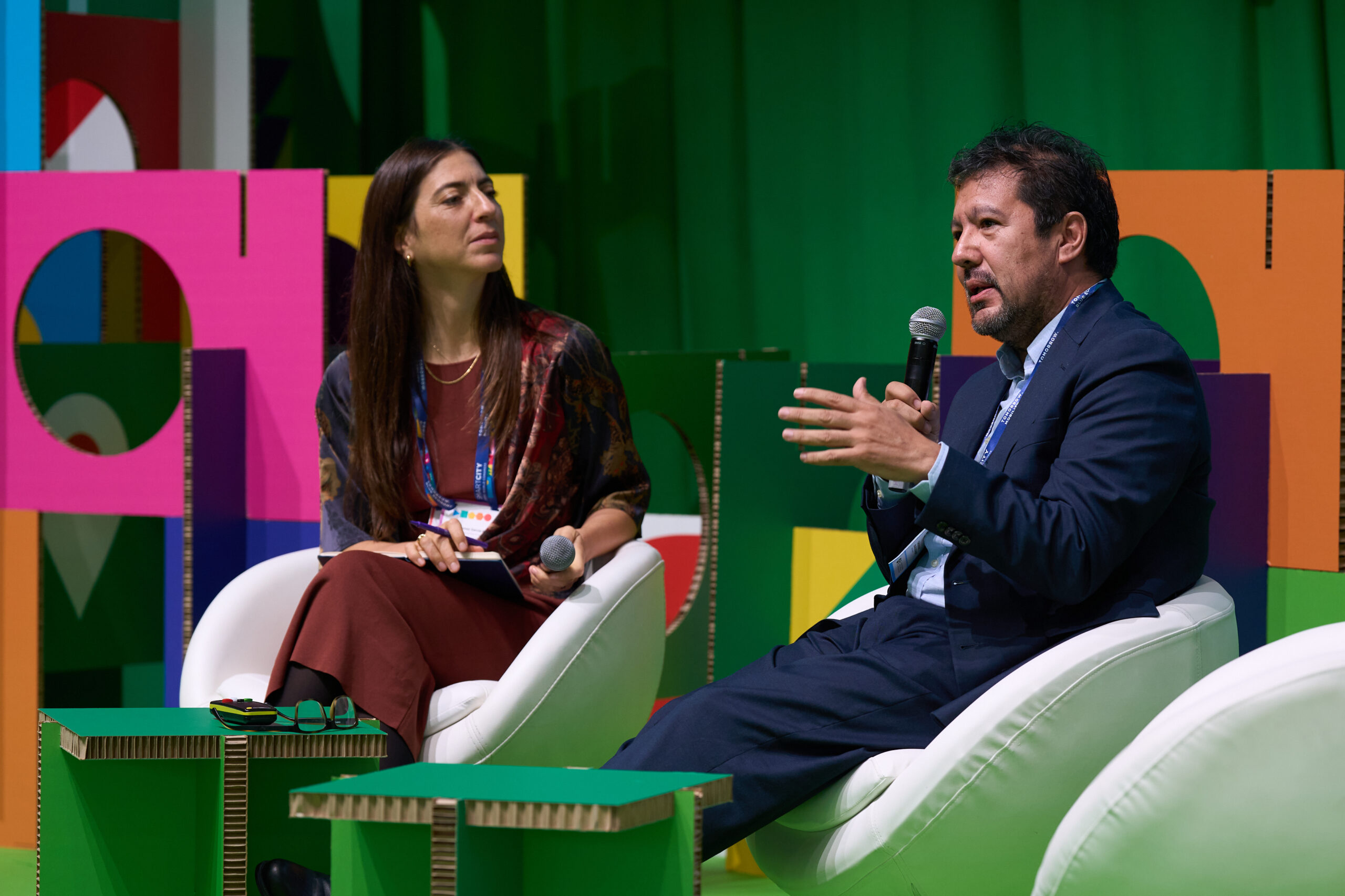
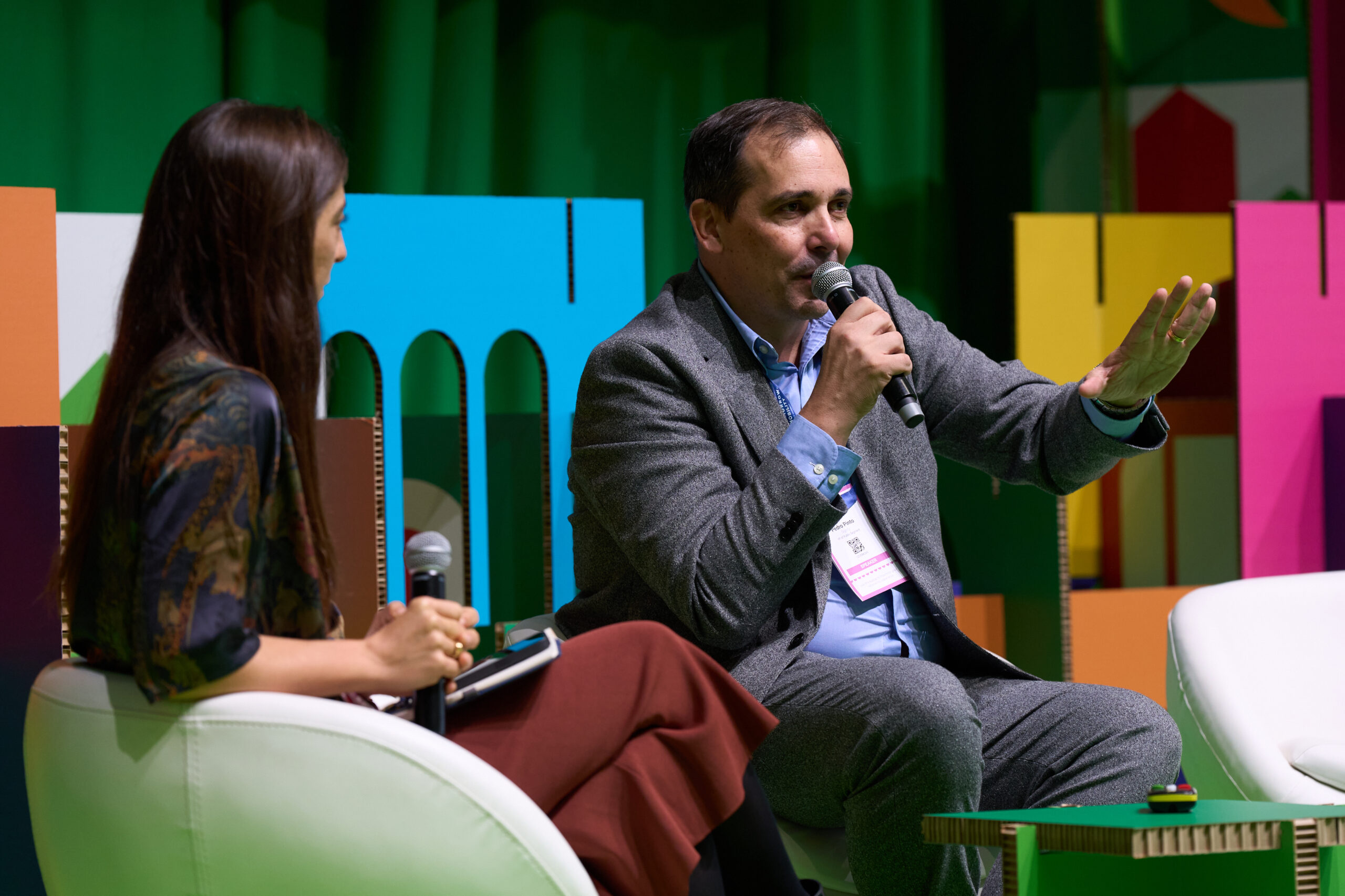
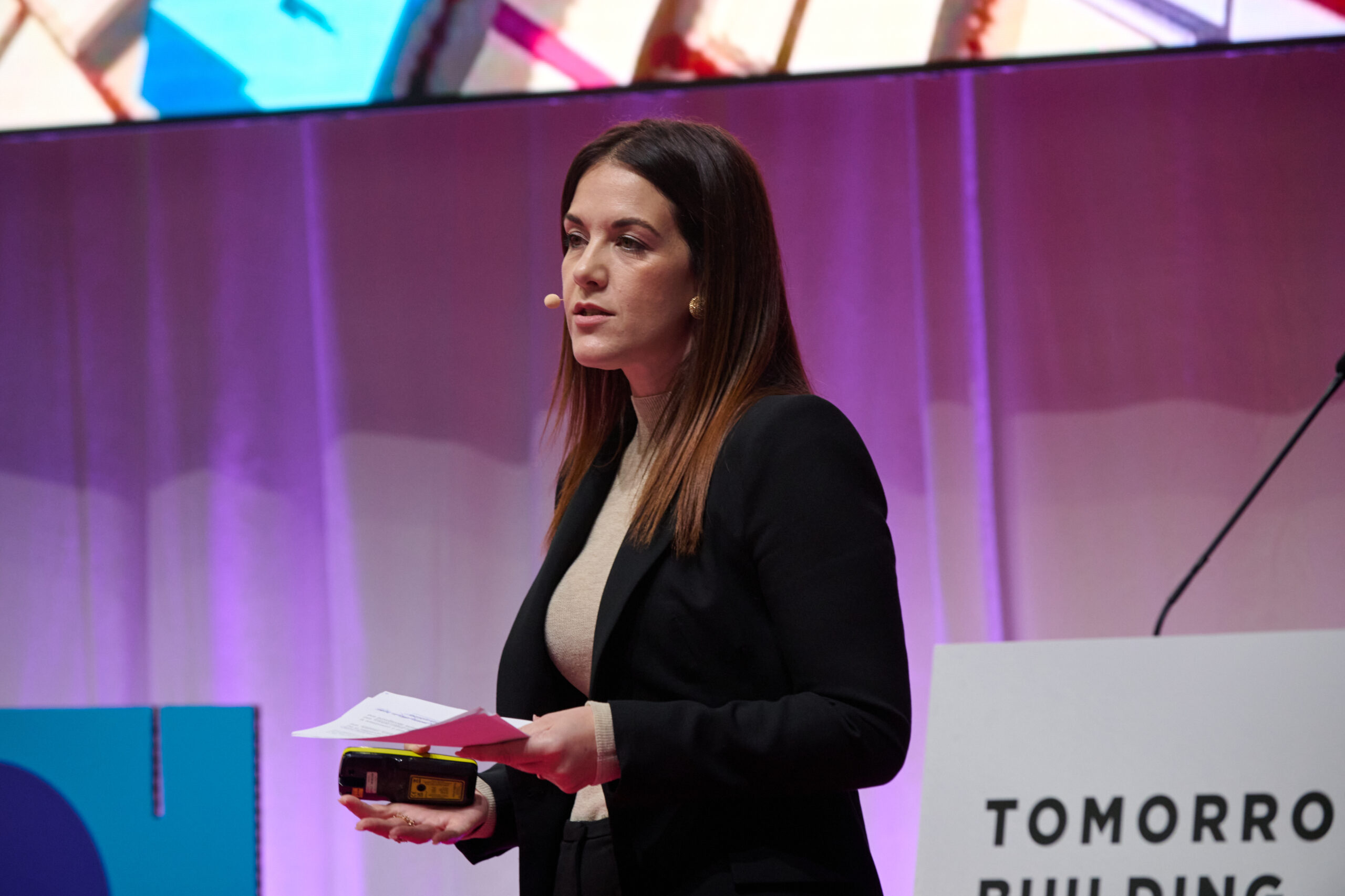
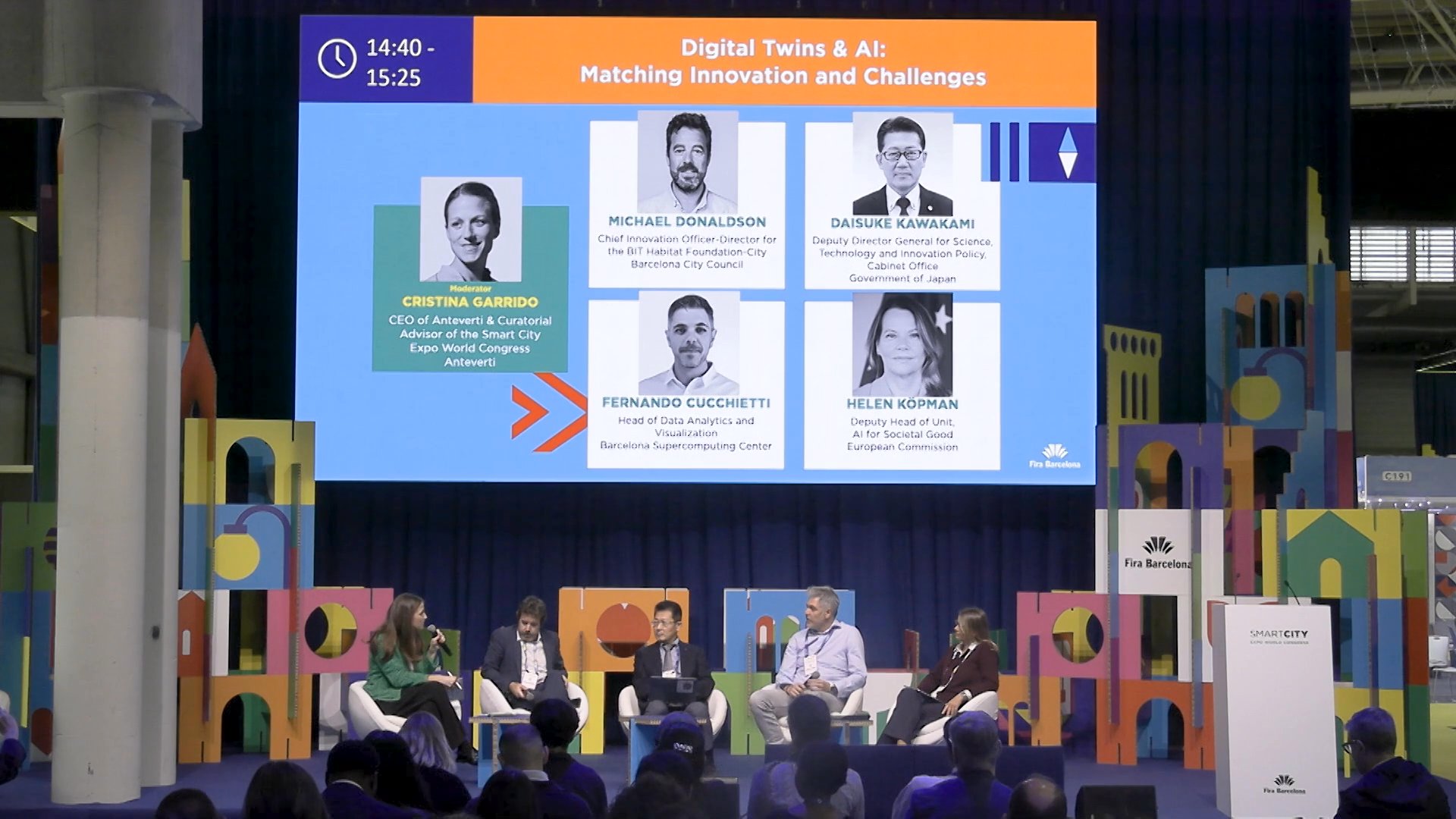
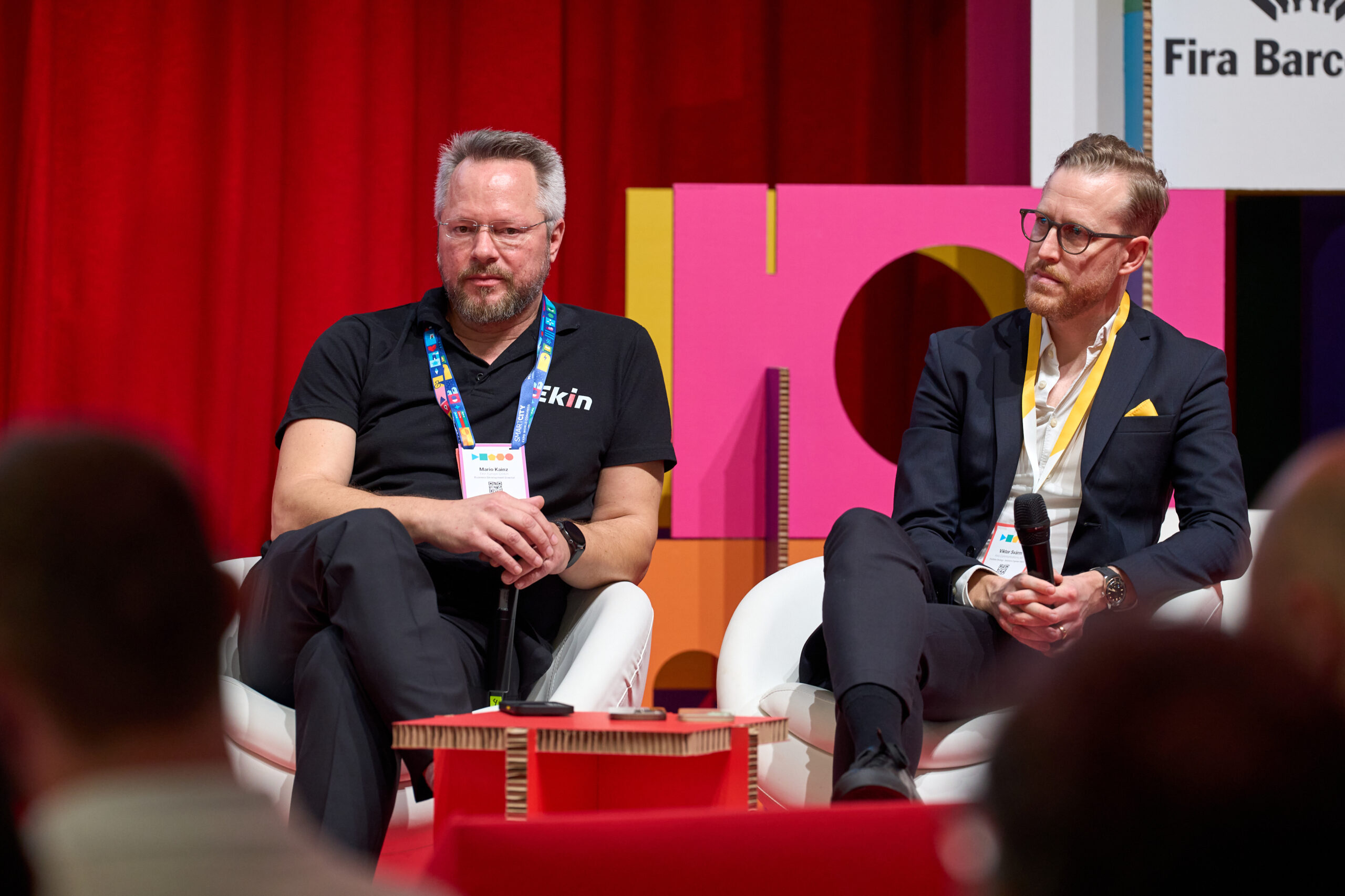
During the fourth edition of the Smart City Expo Santiago del Estero, an international event organized by Fira Barcelona, officials officially presented the Charter. Under the theme New Opportunities for Innovative Communities, the conference gathered business leaders, government officials, academics, and representatives from civil society across Argentina and beyond.
Regional Commitment and Perspectives
Matilde O’Mill, Minister of Justice and Human Rights of Santiago del Estero (a province often referred to as the “mother of cities” for its historical role in Argentine urban development), emphasized the importance of having such a guiding document originate from her region. «It’s a proud moment for Santiago del Estero to host the creation of this roadmap for a better urban future», she stated.
Daniel Passerini, Mayor of Córdoba —the country’s second-largest city— highlighted the potential impact of the Charter: «This is a unique opportunity for municipalities beginning their journey toward becoming smart cities. The principles and foundations outlined will guide us. For those of us already on this path, the Charter reaffirms our commitment to making our cities more inclusive and participatory through the technology available today.»
Emiliano Durand, Mayor of Salta, underscored that innovation is part of his city’s DNA: «Our focus on modernization aims to make Salta more efficient, transparent, and economically vibrant. Technology is not only a tool to improve public services but also a catalyst for economic growth.»
Ariel Sujarchuk, Mayor of Escobar —a city recently recognized by the Inter-American Development Bank (IDB) for its Digital Identity Escobar 360 project —stressed the importance of the federal nature of the Charter. «It will serve as a platform for sharing best practices and advancing urban development that prioritizes quality of life for all residents», he said.

A National Movement for Smart and Sustainable Cities
The presentation drew a whole house and marked one of the key milestones of the Smart City Expo Santiago del Estero. This edition sets a new precedent: a collective effort rooted in a shared vision of a more innovative, more sustainable, and more human-centered urban future for Argentina.
The drafting committee of the Charter included representatives from numerous Argentine government agencies at the national, provincial, and municipal levels, such as ministries of science, technology, modernization, and environmental agencies, as well as local governments from provinces including Santiago del Estero, Córdoba, Salta, Jujuy, and Buenos Aires, among others. Civil society organizations and private sector stakeholders specializing in urban innovation and digital transformation also contributed.
Core Principles of the Argentine Smart Cities Charter
The Charter articulates a clear commitment to building cities that are:
- People-centered: Prioritizing social participation, quality of life, and citizen empowerment. Technology is a means to provide better services and foster social innovation.
- Sustainable: Promoting balanced development that integrates economic, social, and environmental considerations. The approach emphasizes digital transitions that mitigate environmental impacts, enhance resilience against climate change, and include adaptation strategies.
- Human-Scale: Recognizing that urban well-being depends on creating environments that are accessible, inclusive, and participatory. Cities should involve citizens in policymaking and urban planning to ensure solutions meet local needs.
Read the full text of the Charter here.

Call to Action: Building Argentina’s Smart City Ecosystem
The signing of the Charter is also an invitation to all stakeholders —cities, civil society, private companies, and academic institutions— to join this collective movement. An online platform will facilitate adhesion, enabling more cities and organizations to commit to the shared vision.
Next steps include establishing thematic working groups to exchange best practices, develop strategies, and implement concrete tools for smart urban development across the nation. These groups will also organize training and outreach activities on key topics such as public policy, urban planning, mobility, artificial intelligence, and financing.
Looking Ahead
The Argentine Smart Cities Charter arrives at a crucial moment in the country’s urban evolution, when technological advances and collaborative governance are essential for shaping more inclusive, resilient, and sustainable cities. By fostering partnerships across government levels, civil society, and the private sector, Argentina aims to set an example of how smart urban development can improve the quality of life for all its residents.
Photos by Dione Film | Telmo Filho | Miris Navarro | Juan Pablo Mascanfroni