Retrofitting urbano: por qué no siempre es una buena idea empezar desde cero
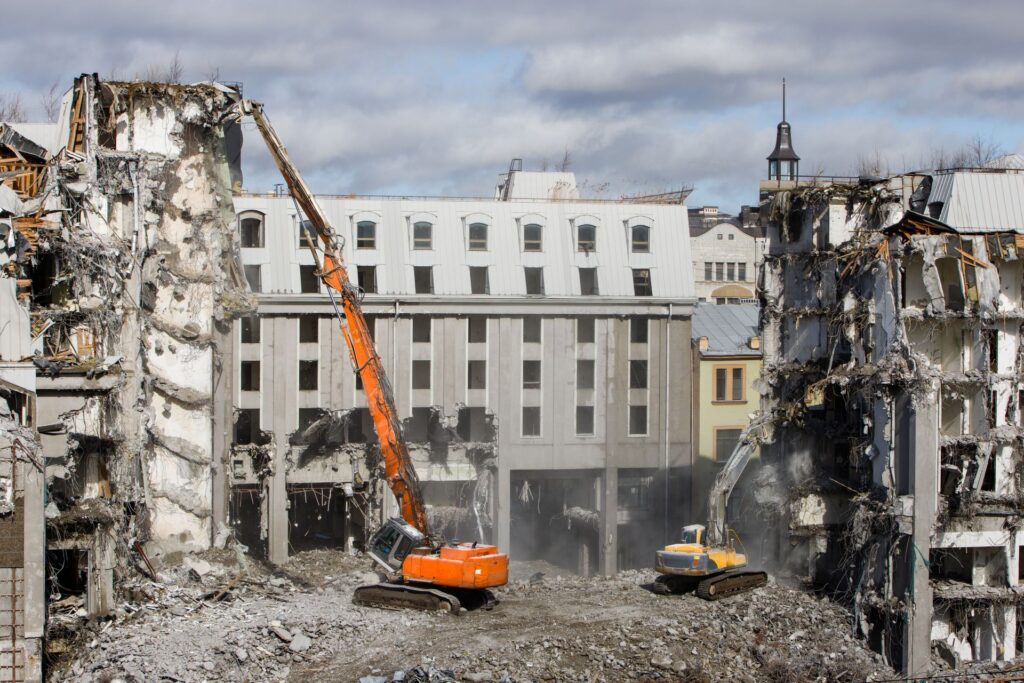
El retrofitting urbano se presenta como una alternativa para no demoler o anular, sino transformar aquellas áreas urbanas crecidas como defecto de una urbanización desmedida, disfuncional o cuyos fines han quedado obsoletos.
¿QUÉ SON LOS DESARROLLOS DE USO MIXTO? ANÁLISIS DE PROS Y CONTRAS
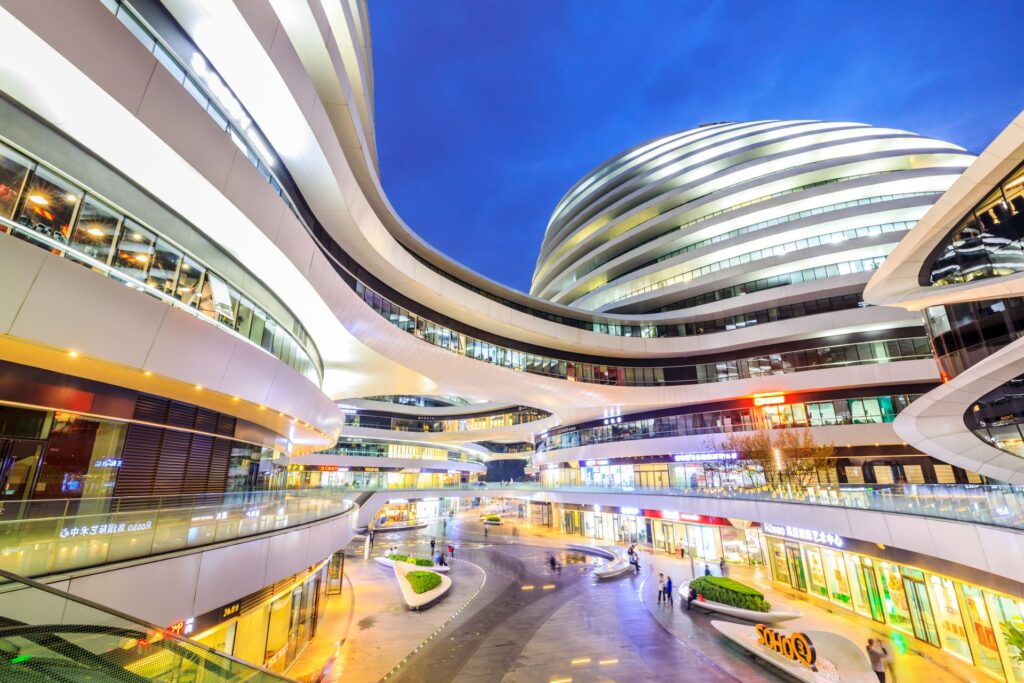
Mixed-use developments are designed to alleviate the aforementioned negative effects of extensive urbanization. It refers to the integration of three or more of the following functions within the same building or complex of buildings.
¿Dónde termina el reciclaje y comienza el greenwashing?
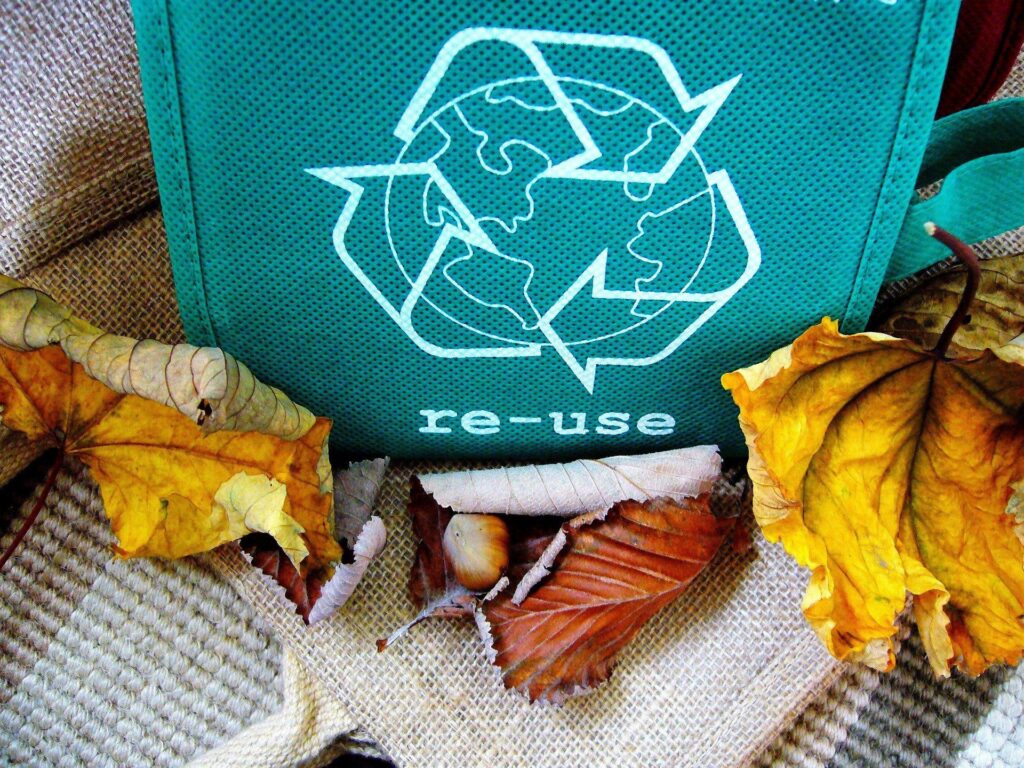
Uno de los mayores retos a los que se enfrentan las sociedades contemporáneas es disminuir la cantidad de residuos que generan. Pero no todas las medidas supuestamente a favor de la sostenibilidad son sinceras o efectivas.
Agricultura conectada: El Internet de las Cosas llega al campo
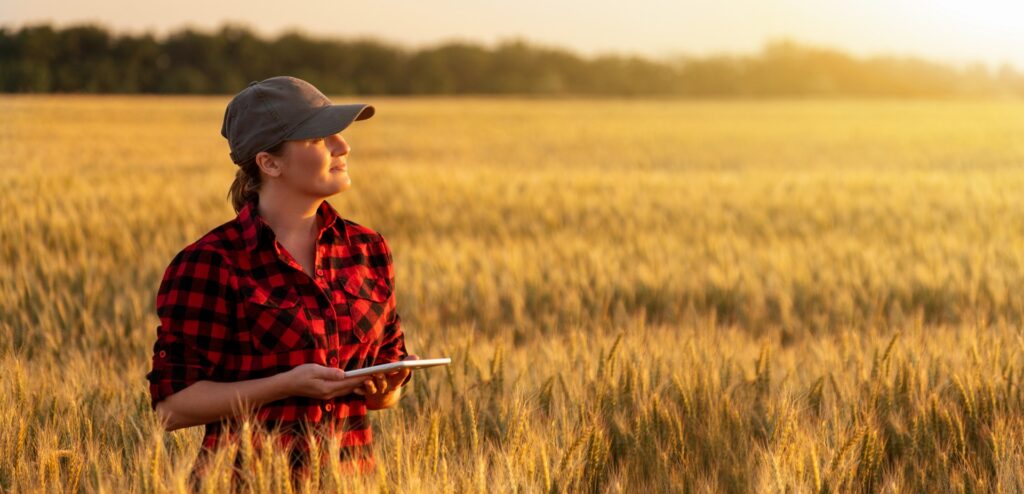
Igual que los simuladores urbanos tipo Sim City, los juegos de simulación agrícola se han convertido en todo un fenómeno dentro del mundo de los videojuegos. En ellos el jugador aparece como una especie de gestor omnipotente que todo lo ve y controla, en gran medida gracias a la interconexión de las funcionalidades de la granja.
¿Software libre o privativo? Argumentos a favor y en contra

IT systems for smart cities must follow the principles that inspire them, including transparency and the control by citizens over the public authorities. This is why some governments are favoring the adoption of open-source software.
¿Cuáles son los tres objetivos principales de la gestión del ciclo de vida de los datos (DLM)?

La gestión del ciclo de vida de los datos, DLM por Database Lifecycle Management, es una estrategia de datos cada vez más usada en las organizaciones. Lo
Tomorrow.Podcast 1×05: Nueva vida para pueblos y periferia: ¿pandemias como motor del éxodo urbano?

COVID is changing the concept of cities, just as previous pandemics will have done. In the past, these events did not manage to stop the rural exodus but, will this one?
Tecnología y educación equitativa: promesas y obstáculos de una revolución que empieza a vislumbrarse
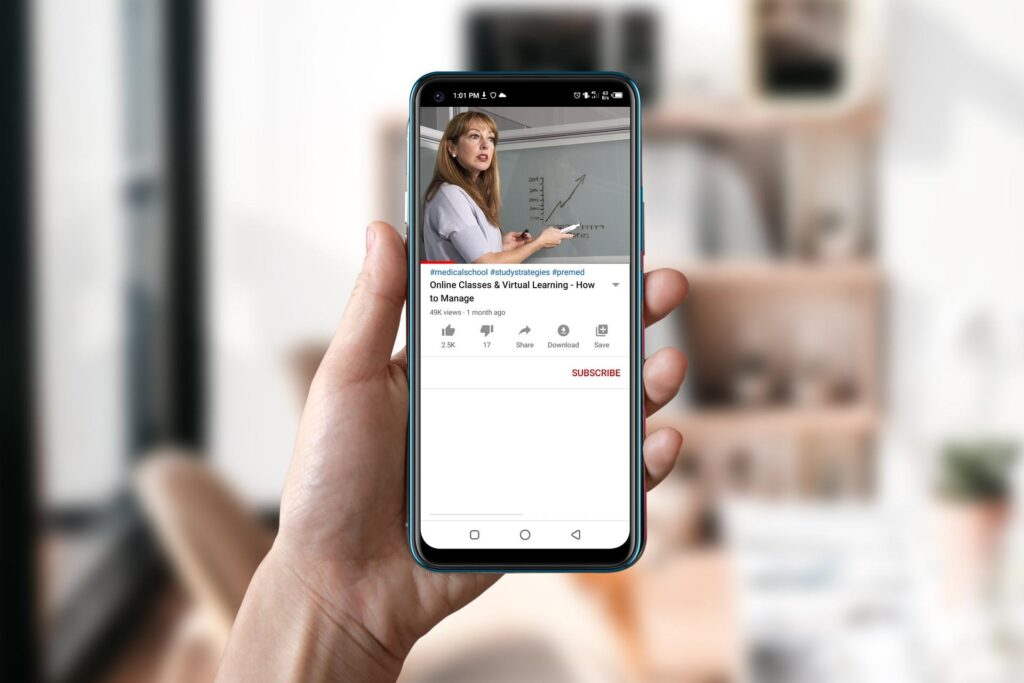
Since the start of 2020, the COVID-19 pandemic has transformed the lives of people around the world. Social distancing, new hygiene routines, reduced gatherings and partial or total confinements have been some of the measures adopted by governments to prevent the spread of the virus.
Tomorrow.Podcast 1×04: ¿Hasta qué punto es viable una sociedad entre cuatro paredes?

The pandemic has changed a significant number of human interactions, which have moved to the digital world. Will we manage to take advantage of the lockdown experience to build more human urban settlements that cater for more people, companies and associations? Will cities be different after this event?
Tomorrow.Podcast 1×03: Reorganización del espacio público. ¿A quién pertenecen las calles?

The cities that grew during the latter stages of the last century did so using an urban model geared towards the use of cars. Adding to this occupation is the last mile e-commerce delivery trend, electric individual mobility vehicles and the expansion of commercial spaces.