How will smart airports change the way we travel?

Airports have gradually gone on to form small communities uniting cities and the world through air travel. Within their anticipated evolution, they are expected to play an even more crucial role in the development of smart cities.
AI for Modern City Administration: Revolutionising Public Sector Efficiency

Artificial intelligence (AI) is rapidly transforming how city administrations manage operations, services, and citizen engagement. At its essence, AI is about crafting computer systems capable of tasks that normally require human intellect, such as understanding speech or recognising images. It is a broad field that includes machine learning (ML), deep learning, and generative AI, each contributing uniquely to automating processes and enhancing decision-making.
Eight innovative uses for drones that are already in play
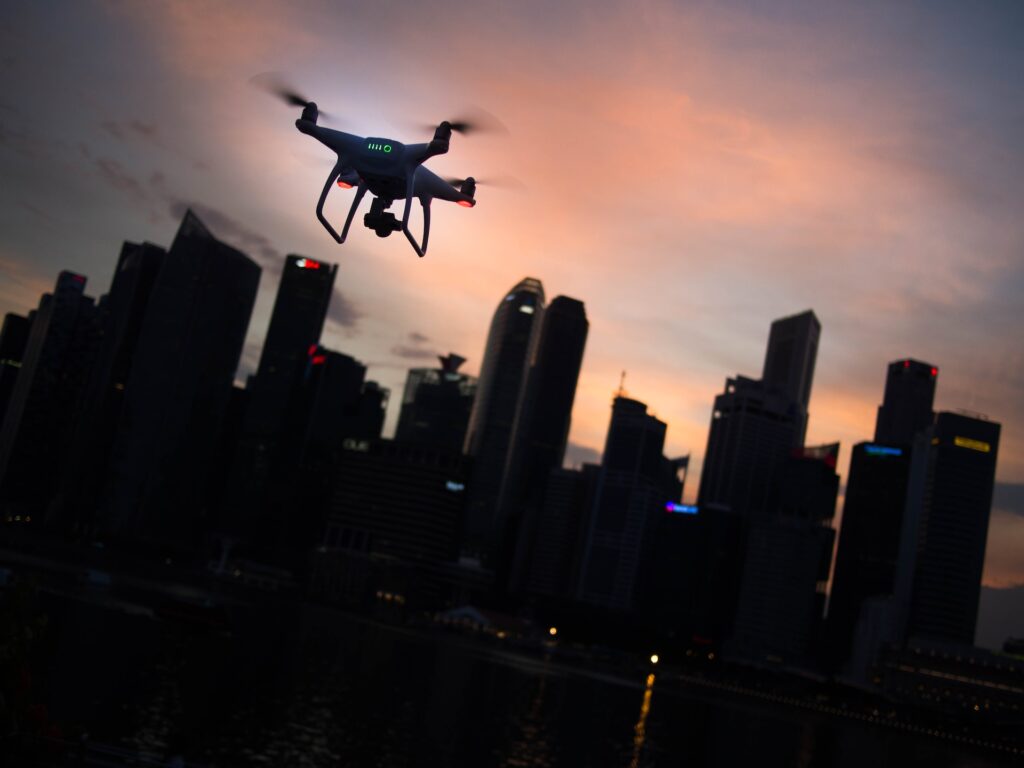
Discover the top transformative uses for drones: from transportation to emergency response, see how drones are revolutionizing our life.
Fire protection technology: how New Orleans improved its safety by providing free smoke detectors

The City of New Orleans has greatly increased its safety by distributing cheap smoke detectors among its at-risk population
Mastering mobility: demand responsive transport

How can mobility providers avoid running empty or near-empty buses through rural areas but still provide public transport for the people who live or work there? And how can cities avoid private car usage during times where public transport availability is low?
Why are micro-mobility companies failing to take off?
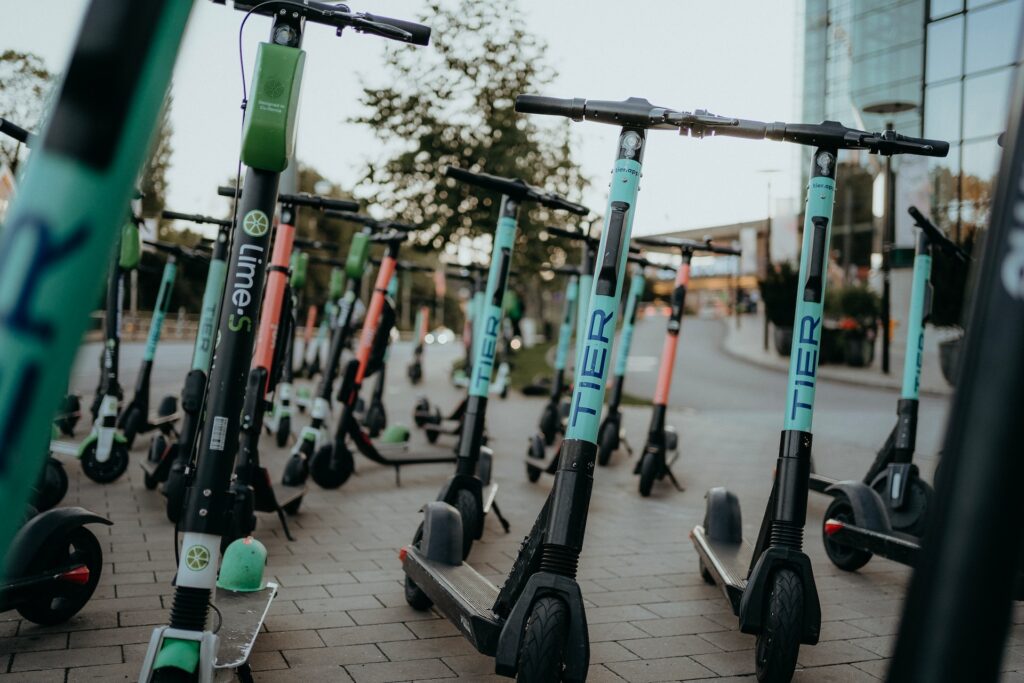
The micro-mobility business, a field in transportation that involves a range of light vehicles such as scooters, PMVs in general or shared bicycles, is just not taking off. What are the obstacles? What are the main failures in terms of implementing this form of mobility, which, on the other hand, is necessary?
Are illuminated pedestrian crossings effective in preventing accidents?

Author | Raquel C. Pico Despite significant advancements in road safety in recent decades, there remain numerous areas that need attention and further improvement. Pedestrian safety is one such area, as many cities and roads still prioritize vehicular traffic over the safety and convenience of pedestrians. Improving sidewalks and creating safe spaces for pedestrians is […]
This is how emergency systems work in a smart city

Dispatch centers manage first responders, firefighters and police calls. Digital transformation aim to revolutionise that kind of collaboration.
Mastering mobility: low emissions zones

Many European cities face air quality problems related to road transport, with a staggering 94% of the urban population exposed to NO2 (nitrogen dioxide) pollution levels higher than the World Health Organisation’s guidelines. The European Environment Agency recently reported that exposure to fine particulate matter, from transport and other various sources, resulted in 307,000 premature deaths in the 27 EU Member States in 2019.
Why Brazil shouldn’t be the first country to regulate Artificial Intelligence

The answer is simple: when it comes to a constant (and rapidly) evolving technology, premature regulation means limiting its development.
AI is in its early infancy. We are often surprised by new uses and applications, unimaginable a few months before. And with such evolution, questions naturally arise about its impact, risks, and responsible use, which must be initially addressed with guidelines and standards. As tempting as it may seem to answer these questions with strict and broad regulation, it will be premature and obsolete in a short period of time.