Malmo, the Swedish city that is neutralising its climate impact by betting on renewable energies
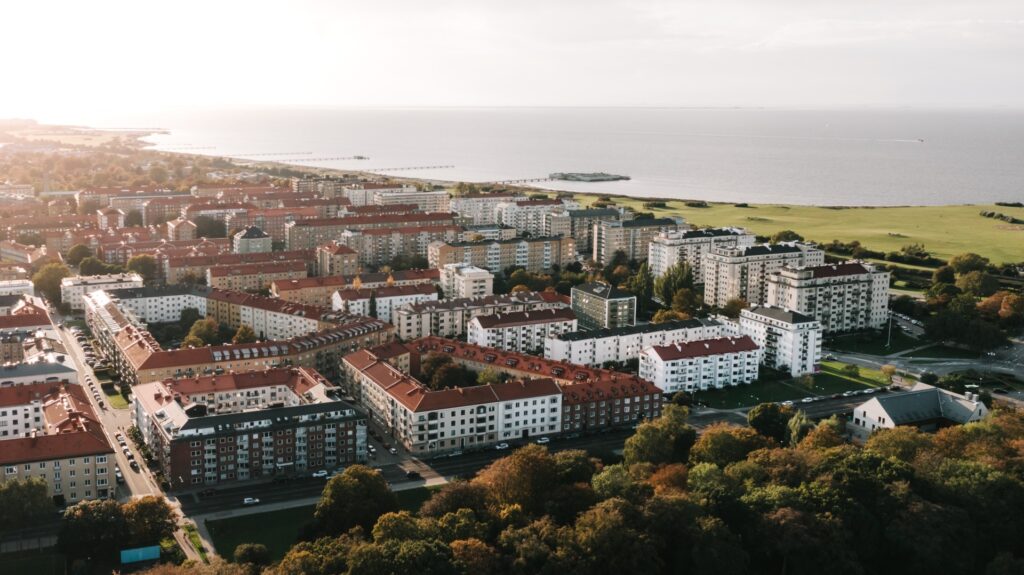
Malmo, Sweden’s third largest city, is about to become climate neutral by feeding its electric grid strictly with renewable energies.
The future of cities lies in data

A recent study conducted by PwC shows that cities must be very clear on who will do what with citizens’ data along clear opt out controls.
Cloud Computing and Edge Computing: new technologies for more efficient cities

Cloud and Edge Computing are often mistaken for each other, yet they are absolutely critical tools for the future of digital transformation.
More than just pine and cement: guidelines for smart urban furniture
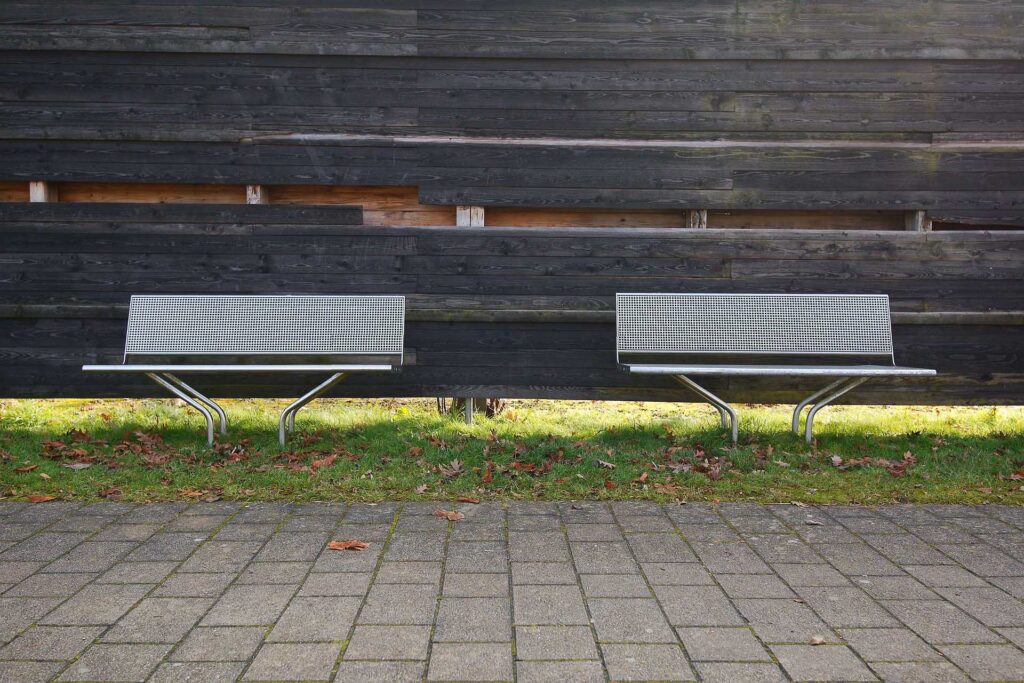
New elements of smart urban furniture include charging stations for vehicles, solar-powered phone charging points and those made from recycled materials
What we can learn from Oslo’s waste management system

Oslo is revolutionising waste management by integrating image recognition and diverse levels of automatisation for sorting.
Roads with less fumes: Hydrogen fuel cell buses for long-distance routes

German companies Flixbus and Freudenberg are about to test a new generation of fuel cell buses for zero emission long distance travel.
When rubbish takes over cities: the circular economy as a solution to combat the accumulation of waste
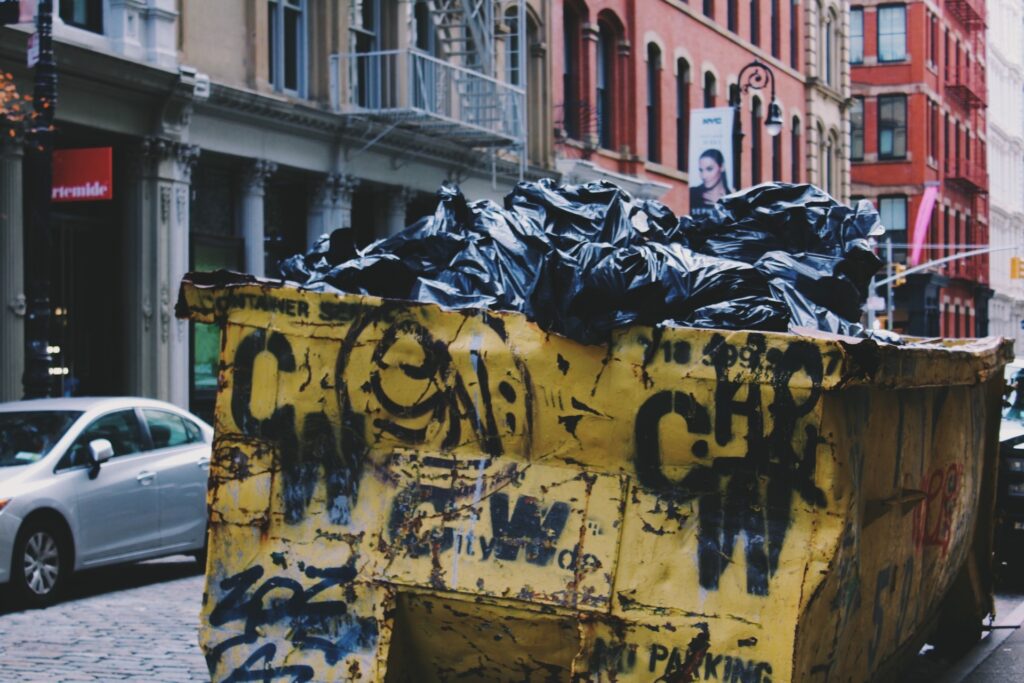
Using the ashes from waste incineration to fabricate building materials is a brilliant example of sustainability, but there are more.
Toward a plastic-free future: alternatives and the future for almost eternal pollutants
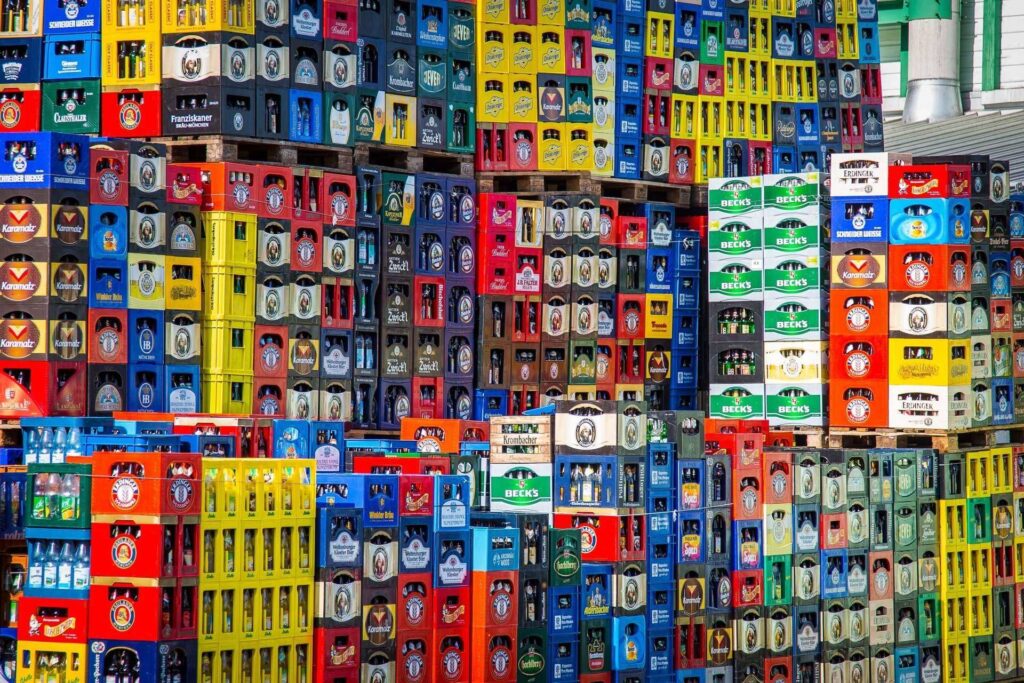
Governments from all countries and regions are trying to reduce the amount of plastic used in cities, a dangerous yet often ignored form of pollution
Usama Bilal: “It is important for cities to act as health prevention agents”

Usama Bilal, urban epidemiologist, analises how conditions within cities can impact the health of its inhabitants in disparate ways
An administrative building in Dubai, the largest 3D printed structure in the world
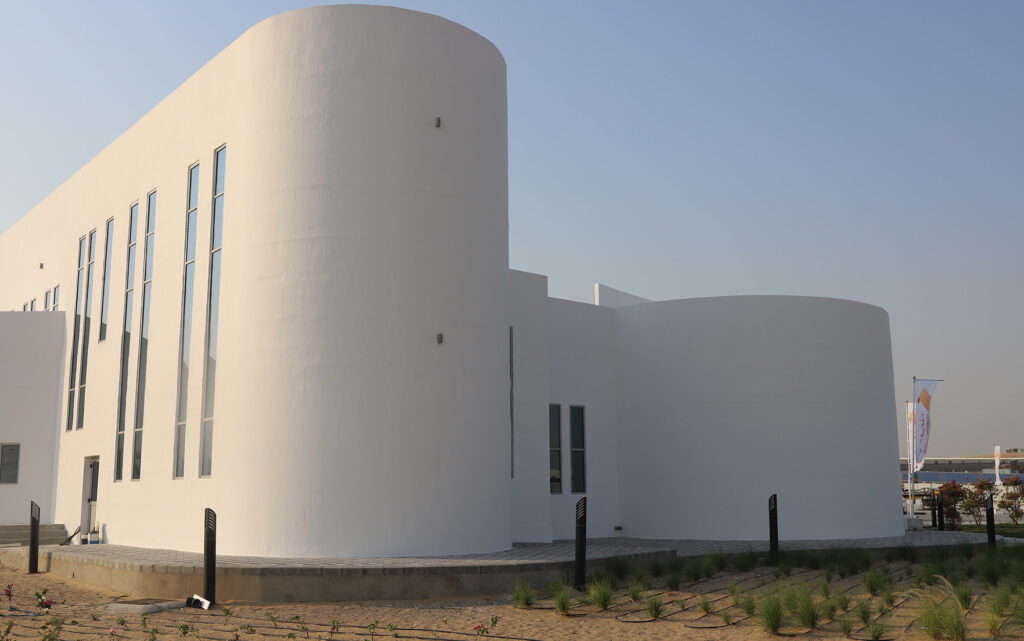
With this milestone, Dubai gets closer to its goal of constructing 25% of its buildings with 3D printing, a faster, cleaner and more efficient technique.