Madinah City: When Tradition and Culture Meet Innovation and Tech

How can we both honor tradition and culture, and pursue the desire to innovate and incorporate new technologies? This is a challenge facing many historic urban areas seeking to preserve culture while harnessing innovation. Here to talk to us about how the holy city of Medina in Saudi Arabia is doing just that, is Mr. Abdulrahman Ibrahim, Chief Data and Innovation Officer for the Madinah Smart City Strategy.
How Stockholm Is Becoming Energy Positive
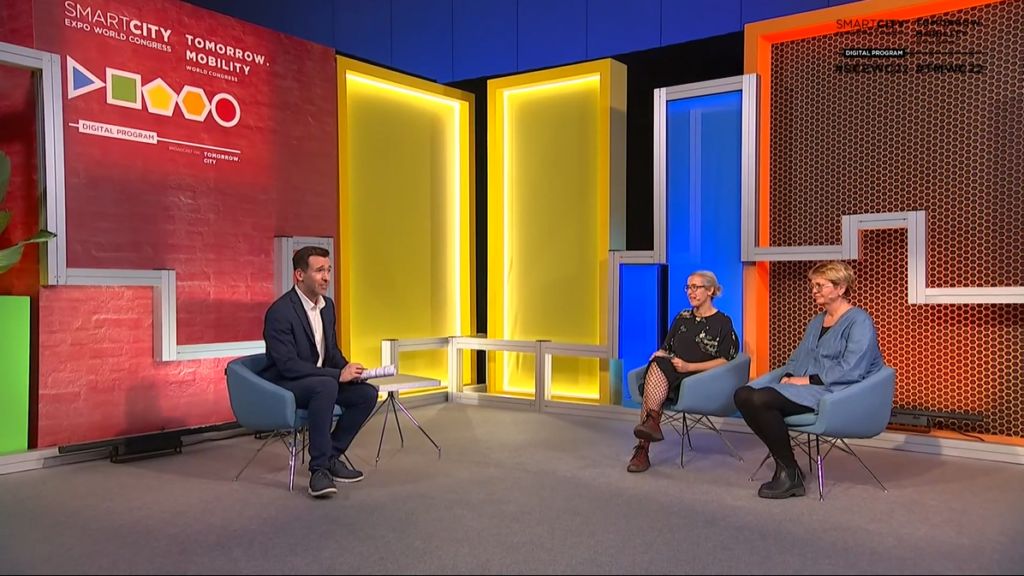
Most cities around the world have set an objective of become carbon neutral in terms of their energy supply. This will prove crucial to meet the United Nations agreement of keeping global temperatures at 2 degrees Celsius and thus avoid the worst effects of climate change. Stockholm is a city that has made an impressive headway in its pursuit of clean energy. To talk with us about the Swedish capital’s achievements are two brilliant speakers. Maria Lennartsson is the Research & Development Coordinator for the City of Stockholm. Christina Salmhofer is the Sustainability Strategist for the Development Administration also in the City of Stockholm.
Hannah Fry: The Joy of Data
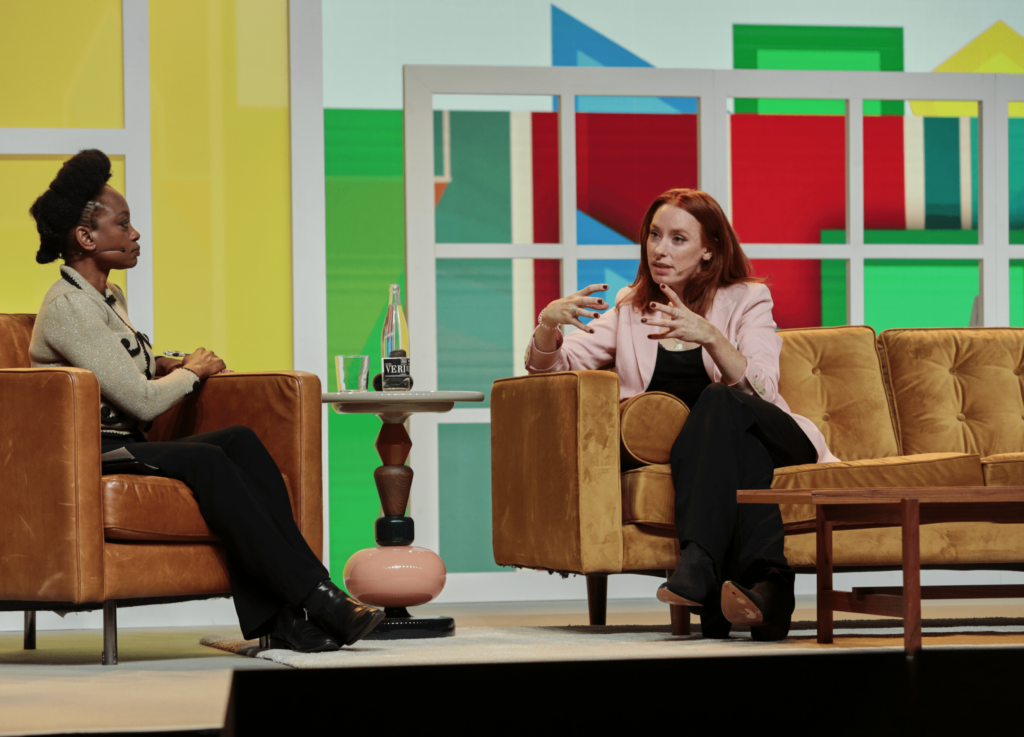
Cities have become so large and populous that it can be hard to decipher what each community and individual wants. However, that’s where the tailored and smart use of data and mathematics comes in, to be able to discern patterns and behaviors that can be regulated or incentivized to improve our cities. To speak with us about the use of data and mathematics in urban settings is one of the most renown experts in the field. Hannah Fry is a Professor of the Mathematics of Cities at the Center for Advanced Spatial Analysis at the University College London. She’s written multiple books on the use of mathematics in unconventional settings, and has been a presenter for multiple BBC shows. She was a guest lecturer for the famed Royal Institution Christmas Lectures in 2019, and gave a TED talk in March 2014, which attracted over 5.2 million views. She got her PhD in Mathematics from the University City of London.
Berlin & Amsterdam | Designing the City from The Bottom-Up
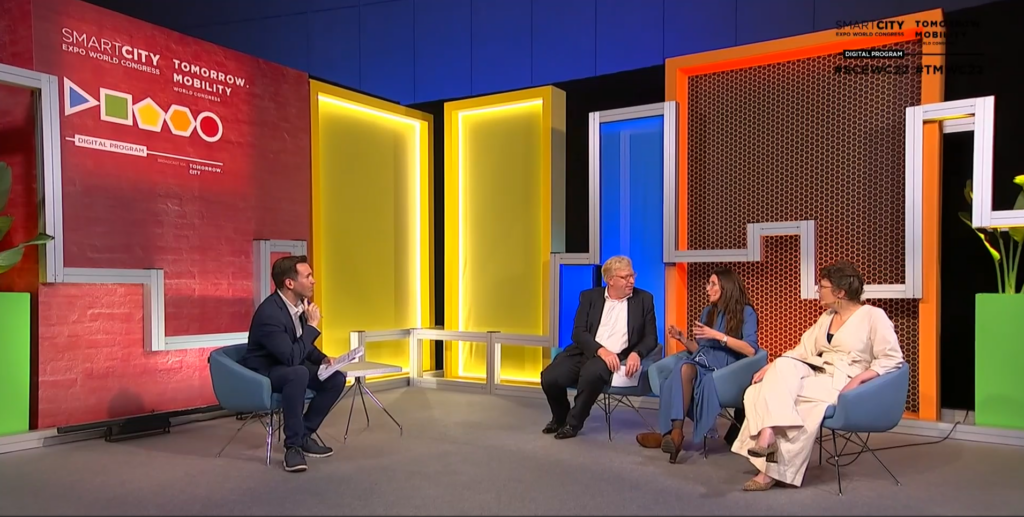
City governments can have grand ideas and dreams about changing a city and revolutionizing services, but without a clear design and focus on building a base, many ideas and innovations can fall through. Thus, to talk to us about designing a city from the bottom-up are three accomplished speakers. Ralf Kleindiek is the Chief Digital Officer and State Secretary for Digital Affairs and Administrative Modernization for the City of Berlin. Leonie van den Beuken is the Program Director for Amsterdam Smart City. And Caroline Paulick-Thiel is the Executive Director for Politics of Tomorrow and the Co-Founder of nextlearning.
Honeywell: Here’s the Key to Data Integration from Critical City Infrastructure
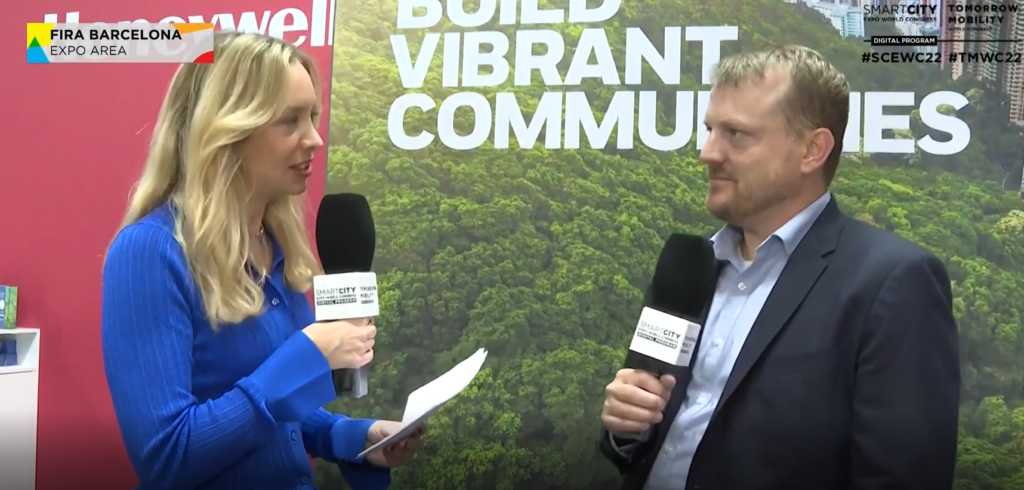
Across the globe, cities are struggling to respond to both new and old challenges including climate change, rapid urbanization, and social exclusion. However, integrating data from critical city infrastructure systems such as traffic, streetlights, emergency services, and utilities can help cities identify and implement new solutions more efficiently. To discuss some of these exciting Smart City technologies, we’re joined by Mr. Matthew Britt, General Manager of Smart Cities & Communities at Honeywell, whose City Suite Software is already being implemented in 75 cities worldwide.
Seoul Digital Foundation: AI & Metaverses Brought the City to the Next Level
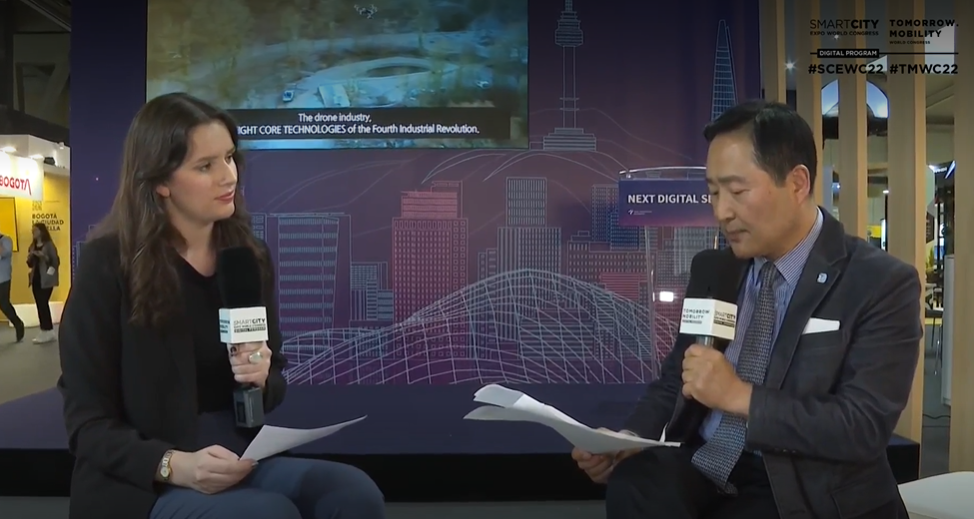
We’re seeing a rapidly evolving digital world, from the advent of metaverses to the developing capabilities of artificial intelligence. Harnessing the great potential of these new technological horizons will prove key to helping improve our cities. Someone with first-hand experience on this matter is Yo Sik Kang, President of the Seoul Digital Foundation, which has helped build the global competitiveness of the city Seoul through digital transformation.
How Can Cities Stay Resilient Against Health, Climate or Economic Risks?

There are always inevitable risks in any situation, the best course one can take is to improve your resiliency and preparedness. Cities must act similarly, facing down potential risks relating to health, climate, or the economy. To talk with us about how cities can stay resilient in the face of mounting risks, are two inimitable experts. Dr. Anniina Autero is a Senior Project Manager for the City of Tampere in Finland and got her PhD in Administrative and Social Sciences at the University of Tampere. Amaya Celaya is an Urban Climate Resilience Advisor for organizations such as the United Nations, the International Office for Migration, and the European Commission; she’s also a Visiting Lecturer for the NOHA International Association of Universities.
EIT Urban Mobility & OECD | The Consequences of the Urban Mobility Transition

The climate crisis and other current events have brought an emphasis and focus on energy supply and our use and distribution of it. At its center of energy use is urban mobility, making it a central cog in the energy transition in cities all around the world. To speak with us about the consequences of the urban mobility transition we have two brilliant minds. Mariana Mirabile is an Economist and Policy Analyst for OECD Environment. She holds a PhD in Development Economics from Sapienza University of Rome. Bernadette Bergsma is the Director of Communications and EU Affairs at EIT Urban Mobility. Dr. Mirabile, Ms. Bergsma, welcome. Let’s begin with you, Ms. Bergsma. How should policies on energy be shaped to ensure more sustainable urban mobility?
Pontus Westerberg, UN-Habitat: Internet Connectivity in a World with 3.7B People Still Offline
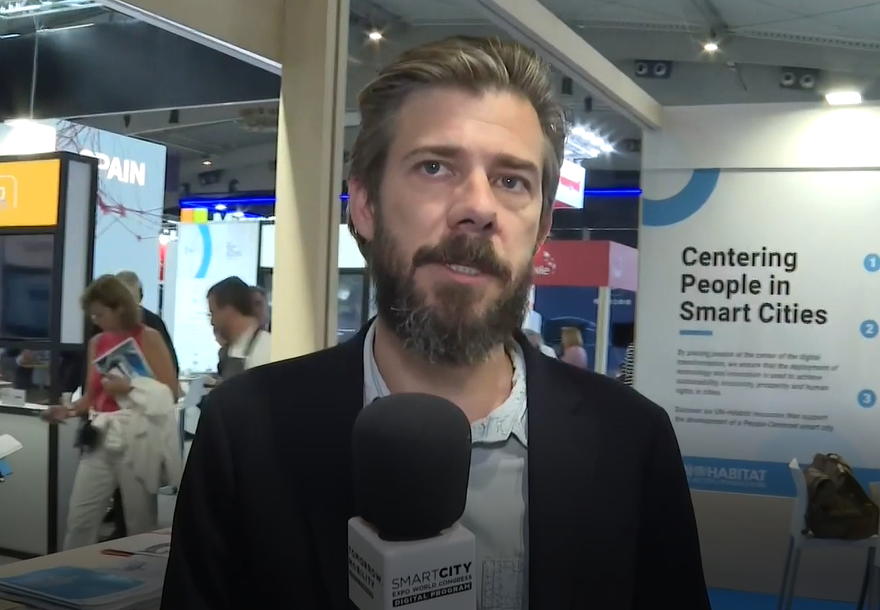
Nowadays it seems as if the internet and smart phones are everywhere. However, 3.7 billion people are still offline, according to UN studies, marking a stark digital divide. Internet connectivity is a boon that leads to greater productivity and innovation. To spread this opportunity to everyone in the world the UN created its flagship “People-centered Smart Cities” program in 2020. The program seeks to provide local governments with guidance for developing smart city strategies that are inclusive, sustainable, and aligned to the needs of residents. With us to talk though it is Pontus Westerberg, who is the Program Management Officer for Innovation and Technology at UN Habitat.
Equinsa Parking: The Future of Parking Is Already Here
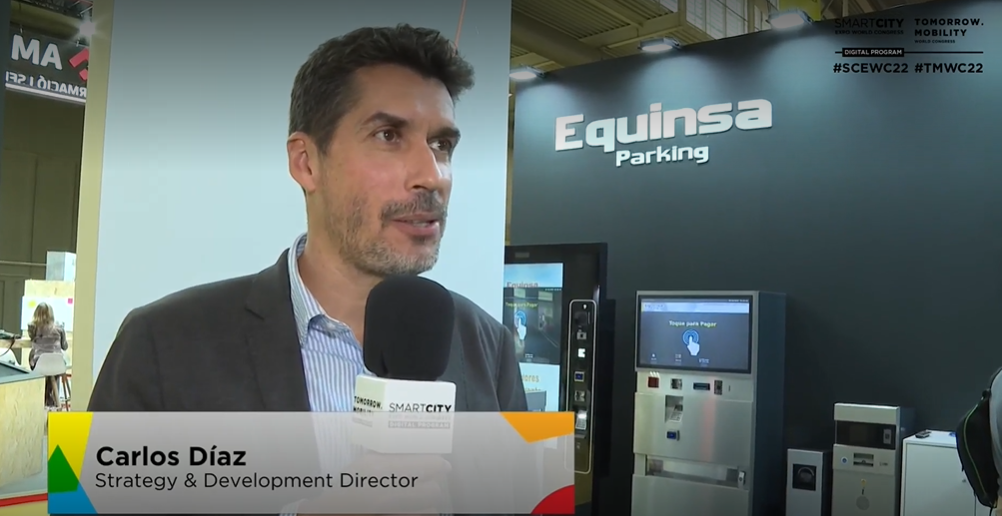
Digitalization is transforming the parking sector and completely reshaping the experience of parking in a city. New digital payment methods including apps and QR codes are already being used and new innovations – including the integration of low emission zones and electric vehicle charging stations – will be key in future-proofing the smart cities of tomorrow. To discuss some of the emerging trends in the sector, we’re joined by Mr. Carlos Díaz, director of Strategy & Development at Equinsa Parking, the company with the highest level of digitalization in the sector.