Emma Cobos, Port de Barcelona: “Port cities will not be able to be smart cities unless they have a smart port”

Emma Cobos, Director of Innovation and Business Strategy at Port de Barcelona, provides us with an insight into the current and future situation of smart ports and the trends we can expect from this year’s edition of Smart Ports: Piers of the Future, which will have a strong focus on sustainability and multimodality.
Vodafone Idea, Larsen & Toubro to Test Smart City Solutions for 5G

21/10/2021 – TelecomTalk
7 European Towns That Are Better In The Winter Than The Summer

20/10/2021 – Travel Awaits
What’s a ‘digital twin’? And why do we need it for EV batteries?

19/10/2021 – The next web
Is concrete toxic? The effects of concrete in our cities on human health

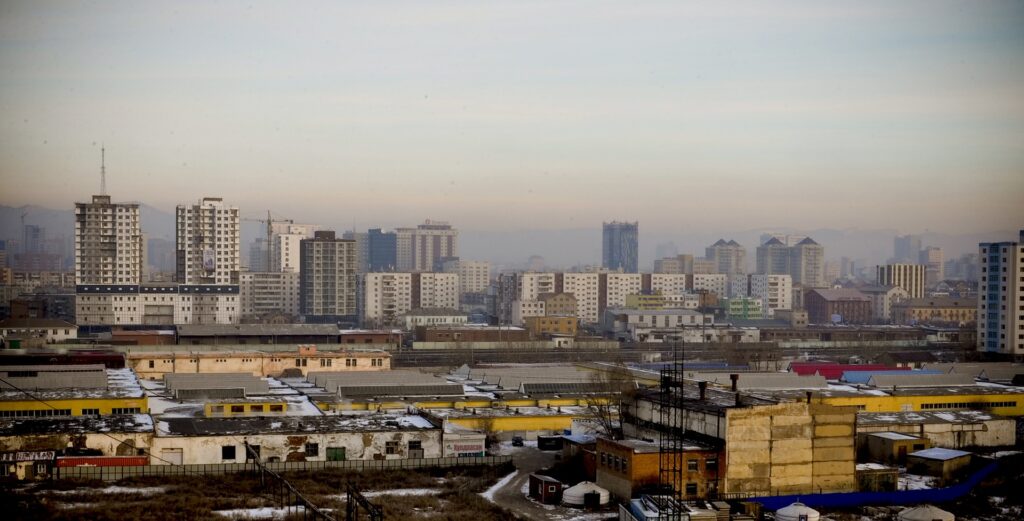
Is the concrete used to build cities toxic? Every so often an article appears (with little evidence) warning us of the potential dangers of living with this material, claiming that its components or manufacturing phases can be harmful for humans and the environment. But, what is the impact of concrete?
Green roofs: advantages and disadvantages of rooftop gardens
Rooftop gardens have become increasingly popular in urban centers in recent years. This system does not mean simply installing plants in individual and removable pots, but rather a permanent facility, made with plant elements designed to form part of the building’s structure.
Cornell’s urbanist in residence envisions the smart city decade ahead

18/10/2021 – Cities Today
6 tech trends defining future cities

17/10/2021 – GCN
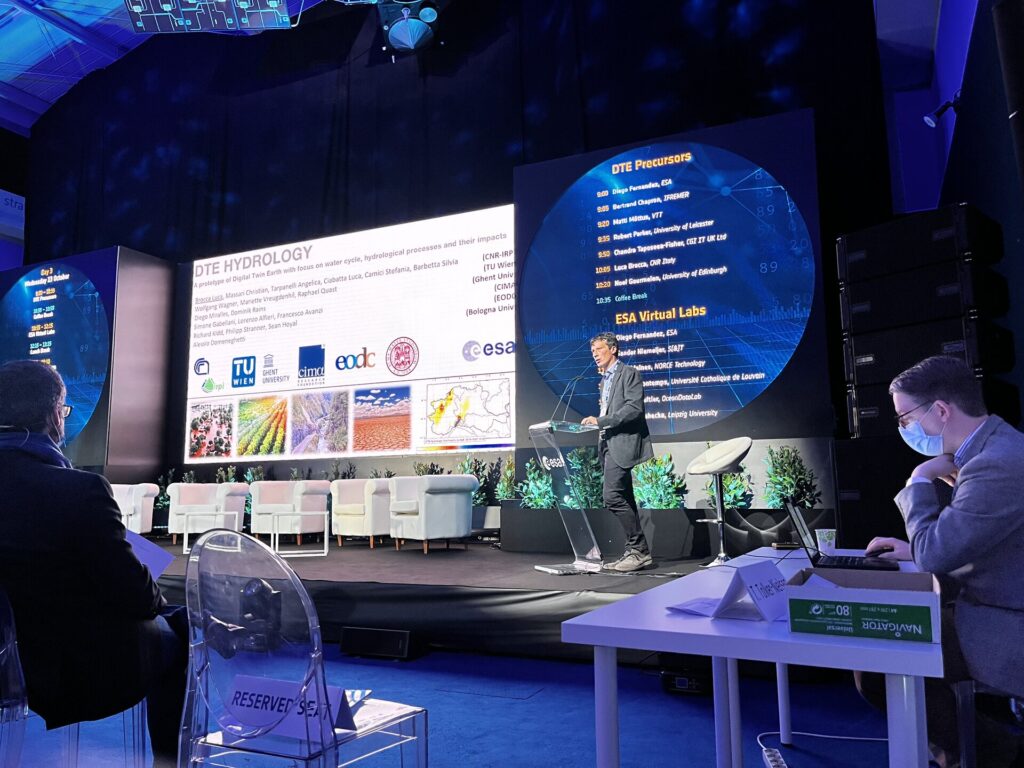
Working towards a Digital Twin of Earth
16/10/2021 – ESA
HOPU: Monitoring & visualization of indicators for sustainable urban design
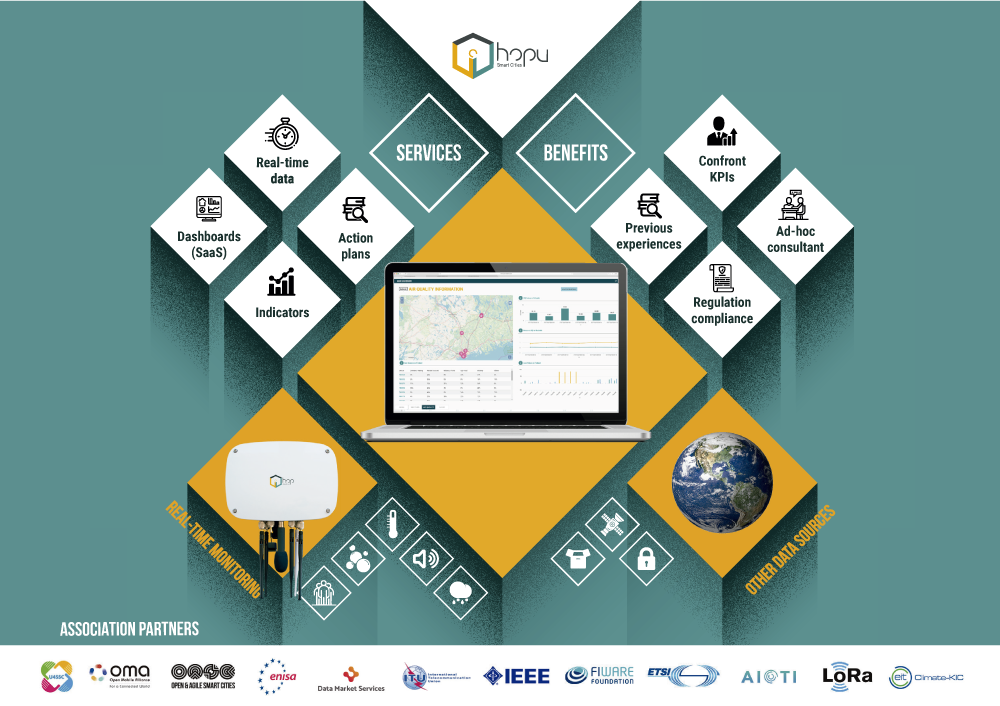
HOPU has a service that simplifies available data in a unique indicator that contextualizes, models and forecasts the environment for supporting informed decision making of each territory, based on its specific characteristics, management team, and citizens. Following the FIWARE Open Source approach, this service allows the collection, analysis and visualisation of large amounts of data related to the environmental situation of the city in a simplified way, including data sources on transport, utilities, social data, open data and sensor data, to provide a unique indicator that facilitates the understanding of the environmental state and the main affected areas of the territory. The current use cases of the service include a high range of indicators related to the pollen families & levels, pollution sources detection (industry, traffic, etc.), the impact of Low Emission Zones (LEZ), compliance with Sustainable Development Goals, low urban security zones control, and the urban health monitoring in specific areas as the case of schools to inform urban planners about harmful situations for the youngest. HOPU also offers high-quality devices for monitoring pollution and environmental parameters that affect their growth to provide an infrastructure that collects contextual data of the territories, improving the quality and accuracy of indicators for decision making.