Apartment housing development has been on the decline in many cities – what’s next?

One of the major challenges of this decade is the housing crisis: it affects several countries as a cross cutting issue in which demand for housing is not being met. The slowdown in the construction of apartment buildings is, at first glance, one of the key reasons. The reality, however, is far more complex than a lack of housing developments.
Smart Utilities: Digital Transformation in Urban Services

Historically, public utility systems were designed for one-way supply and centralized control, leading to inefficient asset utilization. By contrast, smart utilities integrate sensors, advanced analytics, and automation to create self-monitoring and self-optimizing networks capable of real-time system oversight, predictive analysis, and dynamic two-way communication between public services and customers.
How some developing cities are integrating smart technology to improve processes
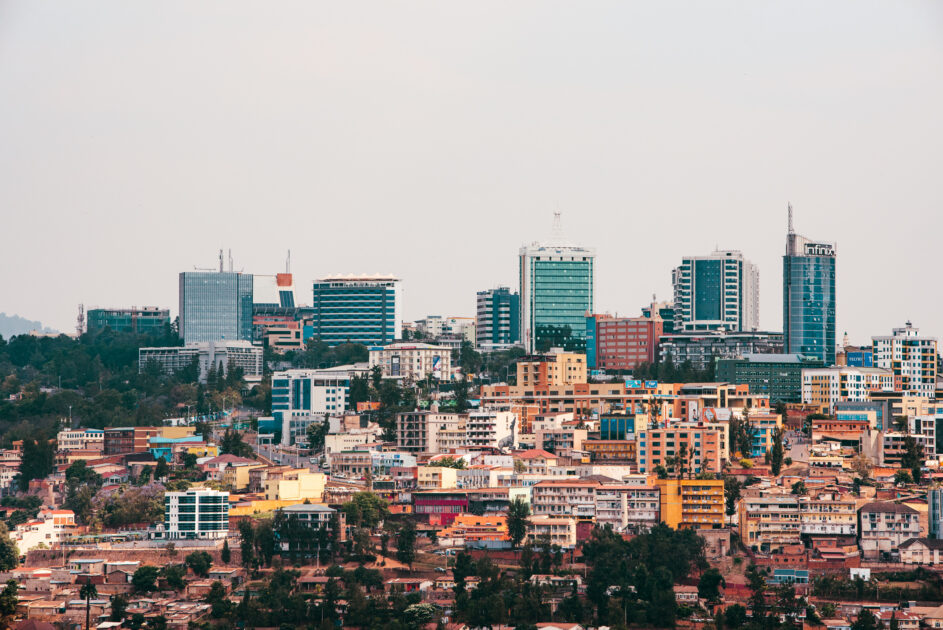
There may be a handful of cities located in developing countries that are classified as smart cities. Although they are less prevalent than in other regions, these pioneering cities are breaking the mold by strategically deploying innovative technologies to tackle urban challenges, drawing on the experiences of other smart cities and adapting solutions to fit local conditions.
Big Data and Smart Cities: How Data Shapes the Urban Future

The use of big data in urban development has transformed the way cities are designed and managed. It allows urban planners to make decisions about infrastructure, transportation, housing, and public services based on the needs of the city.
Global mobility trends: innovation and market movements driving the future of transportation

The wheel was one of the earliest human innovations, something hardly surprising when you consider all its potential applications. It first emerged in the distant past, yet no matter how increasingly complex global mobility trends become, the essence remains the same. Human beings need to move, both themselves and raw materials, and mobility trends shape their daily lives. Understanding not just today’s wheel, but tomorrow’s, is essential to grasp how things are likely to change.
Could drought force the evacuation of Tehran?

Iran is experiencing one of the worst droughts in the past 60 years, with rainfall at historically low levels and many of the main reservoirs and dams at critical levels. This situation is affecting water resources across the country, including Tehran, and has led authorities to warn of an unprecedented possibility in modern history: the need to evacuate the capital.
What are vertiports? How the air-taxi scene is evolving

The age-old dream of conquering the skies has long captured human imagination; as early as the beginning of the 20th century, people were already imagining single-passenger flying vehicles as a solution to the first traffic jams. An idea that for decades seemed out of reach but today is moving from the realm of science fiction into reality. Vertiports are set to become the key transportation hubs of the new era of air taxis and aerial mobility.
The decarbonization of British hospitals: What it means in terms of sustainability

UK hospital decarbonization is key to a sustainable NHS. Learn how the strategy addresses carbon emissions to aim for net zero emissions and carbon neutrality.
How Vienna became a global reference for multimodal transportation
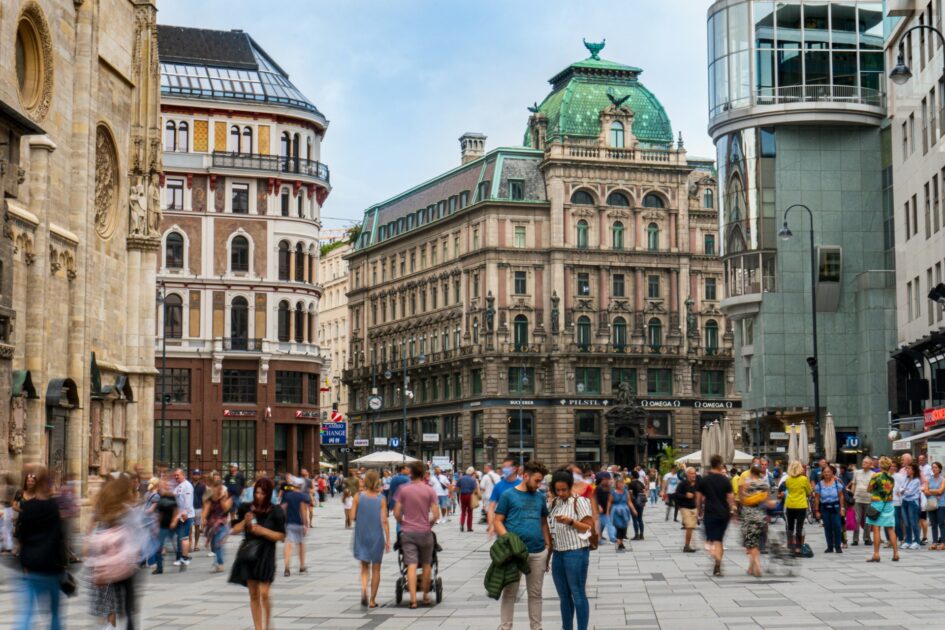
Vienna is a reference for multimodal transportation & smart mobility due to its successful integration of public transport, cycling & sustainable transport.
Urban investment flows: how smart city projects attract global capital

Uncover how smart cities are attracting urban investment via local and global capital. Explore major investment opportunities for sustainable development.