Table of Contents
Author | Lucía Burbano
With nine million inhabitants and around 2.5 billion passengers per year, Seoul’s subway system is at the top of the international rankings for factors such as accessibility, connectivity, cost or infrastructure. Its extensive network, efficiency, punctuality and ease of use are some of the reasons that justify the level of satisfaction among residents and tourists.
Good signage and extensive operating hours
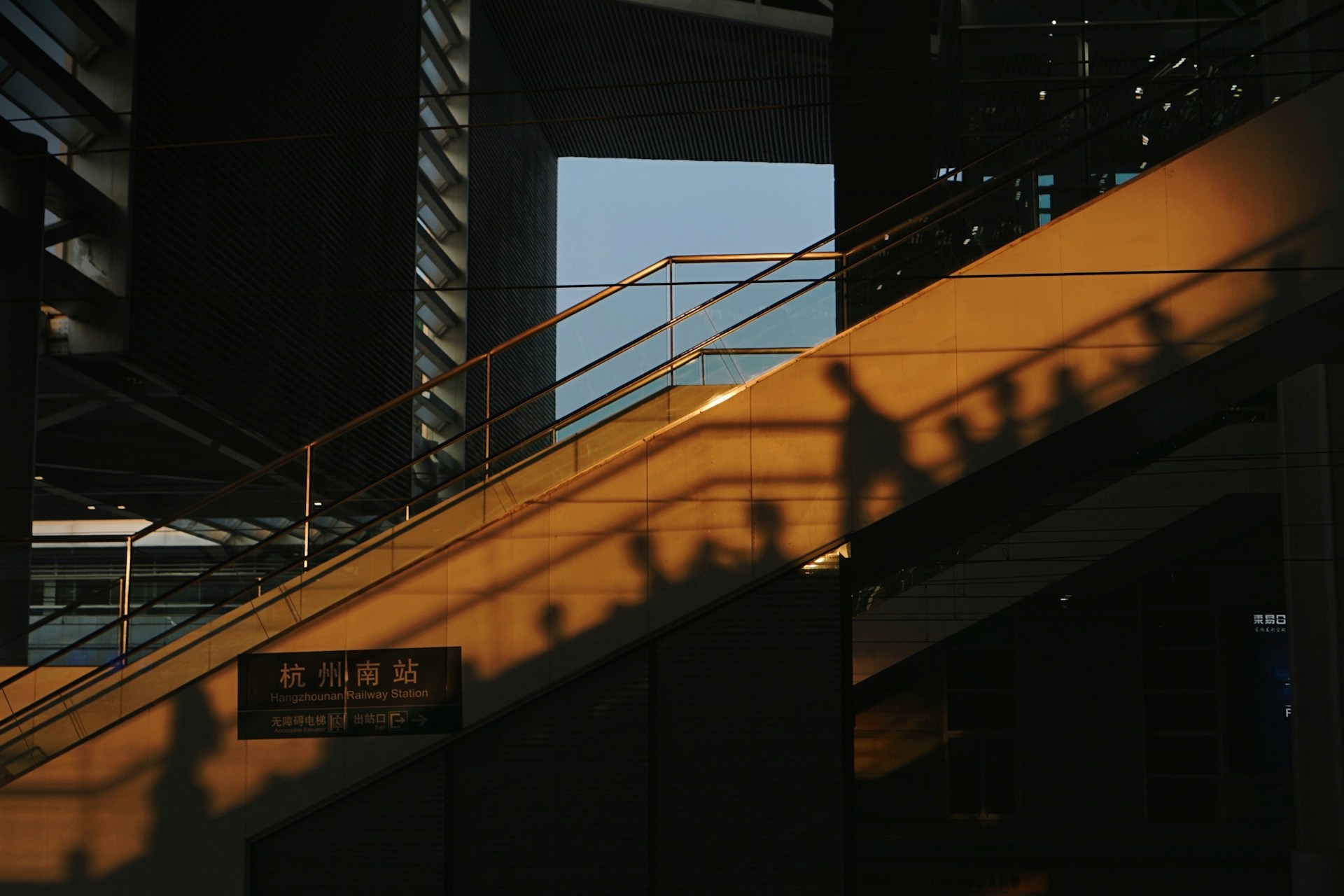
With signs in Korean and English, the stations for the nine lines that make up the Seoul subway network are easy to navigate for those using this public transport system for the first time. Each one is identified with a highly visible color and a number. Seoul has a total of 288 subway stations covering 311.7 kilometers.
The numbering system, which makes it particularly accessible, is also applied in the station entries and exits, which is extremely practical since some accesses are a five minute walk away. There are also numbers on the floor of the Seoul subway platform, in front of the entry doors and on the doors themselves. They serve an important function and are designed to facilitate efficient boarding and alighting from the trains.

Its size is such that in order to get about easily it is advisable to use browsing applications such as NaverMaps or Kakao Maps, which will tell us which is the most appropriate door for a specific train or the fastest exit. That said, missing a train does not have to be a drama, since the frequency averages between 2 and 10 minutes, depending on the time of day.
The Seoul subway is operational non-stop daily for 18 hours and 30 minutes, from 5:30 a.m. until 1:00 a.m. the following day. To use it, you need to obtain a prepaid travel card, either T-Money Card or Cashbee CU Card. Unlike other suburban networks, the amount left over on the cards can be recovered when you return the card to the deposit refund machines located in the stations.
Accessibility, connectivity and comfort

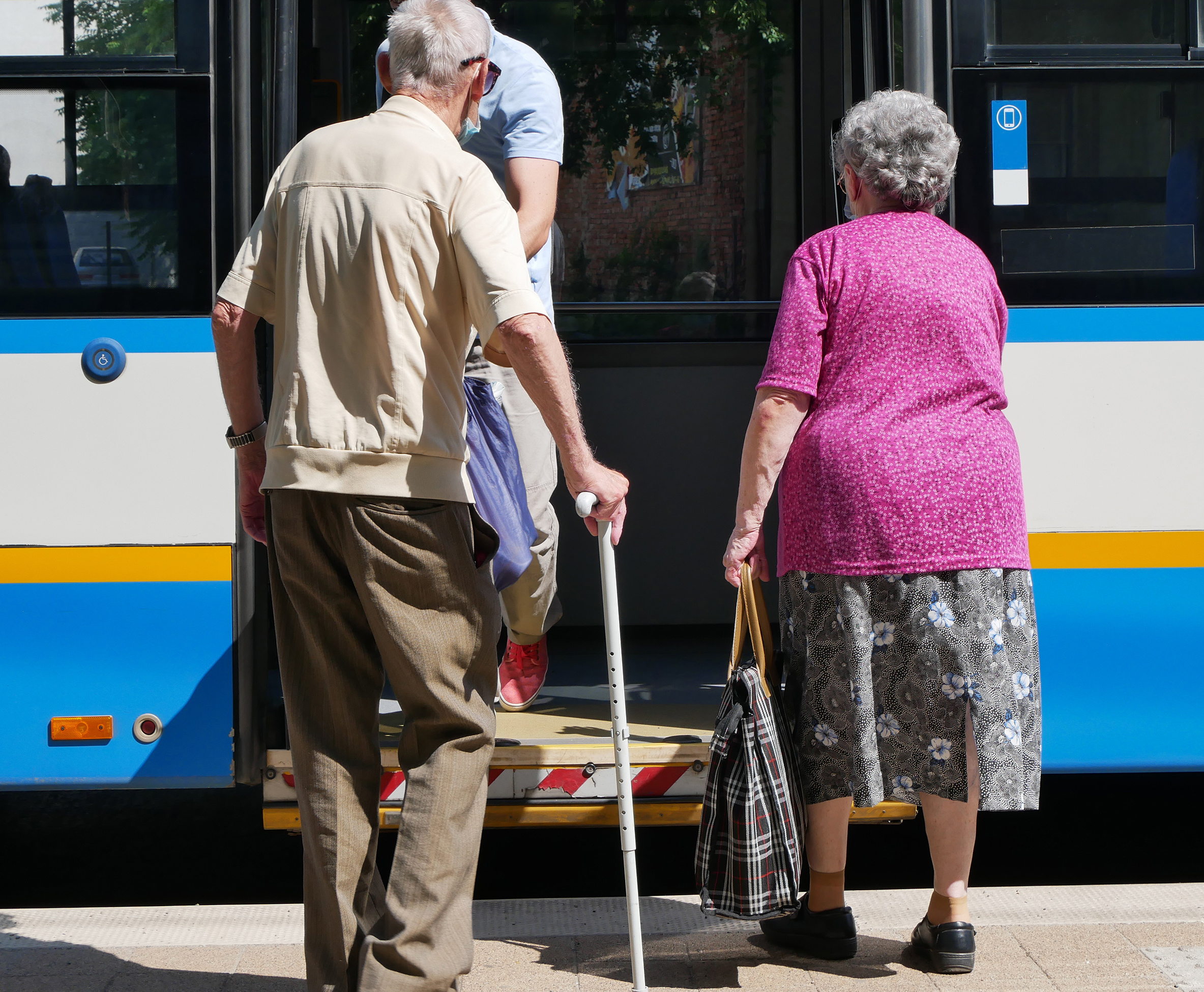
Since 2000, Seoul has extended its subway system network with nine lines and extensions to existing ones. The result of this is new and extremely clean stations, as well as being fully accessible for people with reduced mobility.
With the aim of improving passenger comfort, the Seoul subway system implemented a pilot project last year removing seats from two train carriages on lines 4 and 7 during rush hour to create more space, since congestion levels on these lines reached 193% and 164%, respectively, in 2023.
Finally, the subway network in the South Korean capital is also committed to making journeys more comfortable for users, although this could be a little more complicated during rush hour given the number of people travelling. During a cold winter in Seoul, with average temperatures of around 0.2 degrees Celsius, the seats in the carriages are heated, a rare luxury, which not even overground trains have in the rest of the world.
Photographs | Wikipedia, Unsplash/chan kahei, GA161076/iStock