



Author | Jaime RamosThe way we understand tourism will change as cities gradually migrate to smart management models. The tourism concept in a Smart City benefits from many of the characteristics that define smart cities. Smart Cities will also become points that will offer the world’s most enhanced tourist travel experiences.
The road towards a new form of tourism
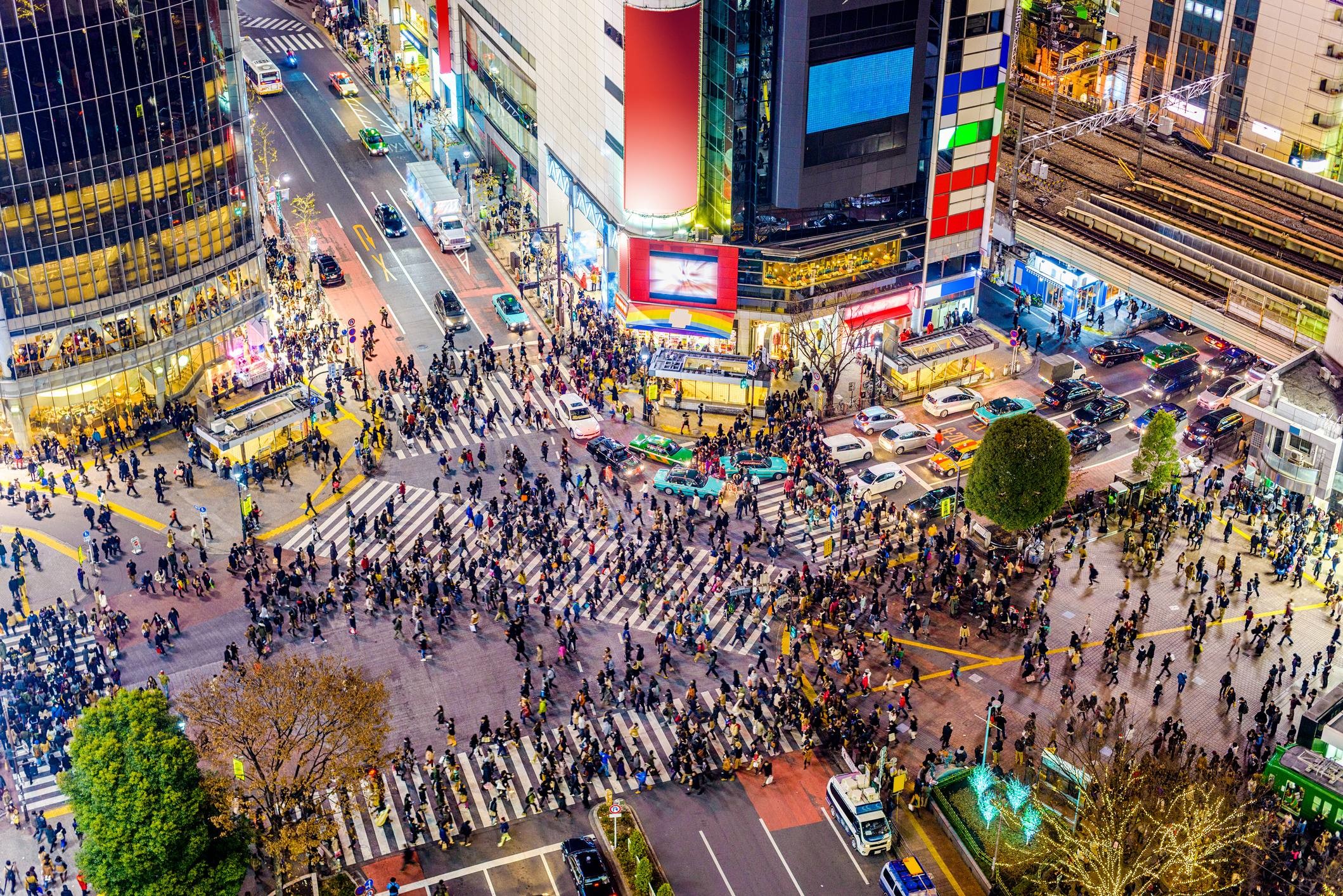
The tourism possibilities offered by Smart Cities are unprecedented. These are a series of unique experiences originating from the values fostered by smart cities. We are referring to the advantages of technologies designed to manage large crowds effectively, sustainability management through mobility, or highly-valued services for tourists such as instant translation devices and virtual reality.This phenomenon is already present in some parts of the world, such as in Tokyo. The Japanese capital, the most populous metropolitan area in the world, has improved its services in recent years. Close to 29 million people chose Japan in 2017 as tourism destination. That’s a record increase of 334% compared to 2010, and the total number of visitors should rise to 40 million in time for the Olympics.In terms of tourism, Tokyo has launched various projects designed to boost commerce making new use of the Internet of Things (IoT). The authorities have also removed objects pertaining to the last century from the city’s streets, including utility poles, in order to incorporate them more efficiently into the urban space. This also improves safety in the event of disasters. Another notable example is Toyota’s commitment to sustainable mobility through electrification, by offering a fleet of 3,000 hybrid and emission-free vehicles. Needless to say, the official vehicle of the Games is a hydrogen powered car.
Smart tourism thanks to crowd management
All these services are extremely beneficial for tourism. The technological advantages of a Smart City like Tokyo are part of the reason many will decide to holiday there.And this is just the beginning. The journey towards smart cities will enable improved crowd management, so in densely populated cities, the movement of people can be managed in order to enhance the use of spaces.Furthermore, the services already offered by large cities will be boosted and management thereof will be more efficient. We are referring to sports events or concerts that bring together large numbers of people. Travel time will not only be shorter, but foresight will also enable possible build-ups to be eliminated.Companies or institutions that organise these events will also reap the benefits. Location tracking will accelerate all types of procedures. This part of connectivity technology is already used in smartphones. However, on a more negative note, these personal location data may breach some fundamental human rights, such as the right to privacy or the right to freedom of movement. Collaboration between institutions and companies will be essential to disperse these concerns.New York City has set an example through the creation of superblocks. This concept has shown its value as a resource for traffic and crowd management in a Smart City. New York City’s success was rewarded last year with the International Transport Forum’s Transport Achievement Award, in recognition for a 28% decrease the number of traffic deaths and a 45% in pedestrian fatalities.
The road towards achieving Smart Tourism
Despite the aforementioned negative point, the truth is, both cities and tourists alike have so much to gain thanks to what is known as Smart Tourism. Visitor experiences will be nothing like 20th century tourism experiences.Proof of this are services such as augmented reality, fleets of shared electric vehicles or new tourism incentives, such as the Pokemon GO phenomenon. The main idea for cities in terms of tourism in this millennium, is to work on four areas: accessibility, innovation, technology and sustainability.Images | iStock/Sean Pavone, iStock/Viktor_Gladkov and iStock/f11photo