



Author | Elvira Esparza
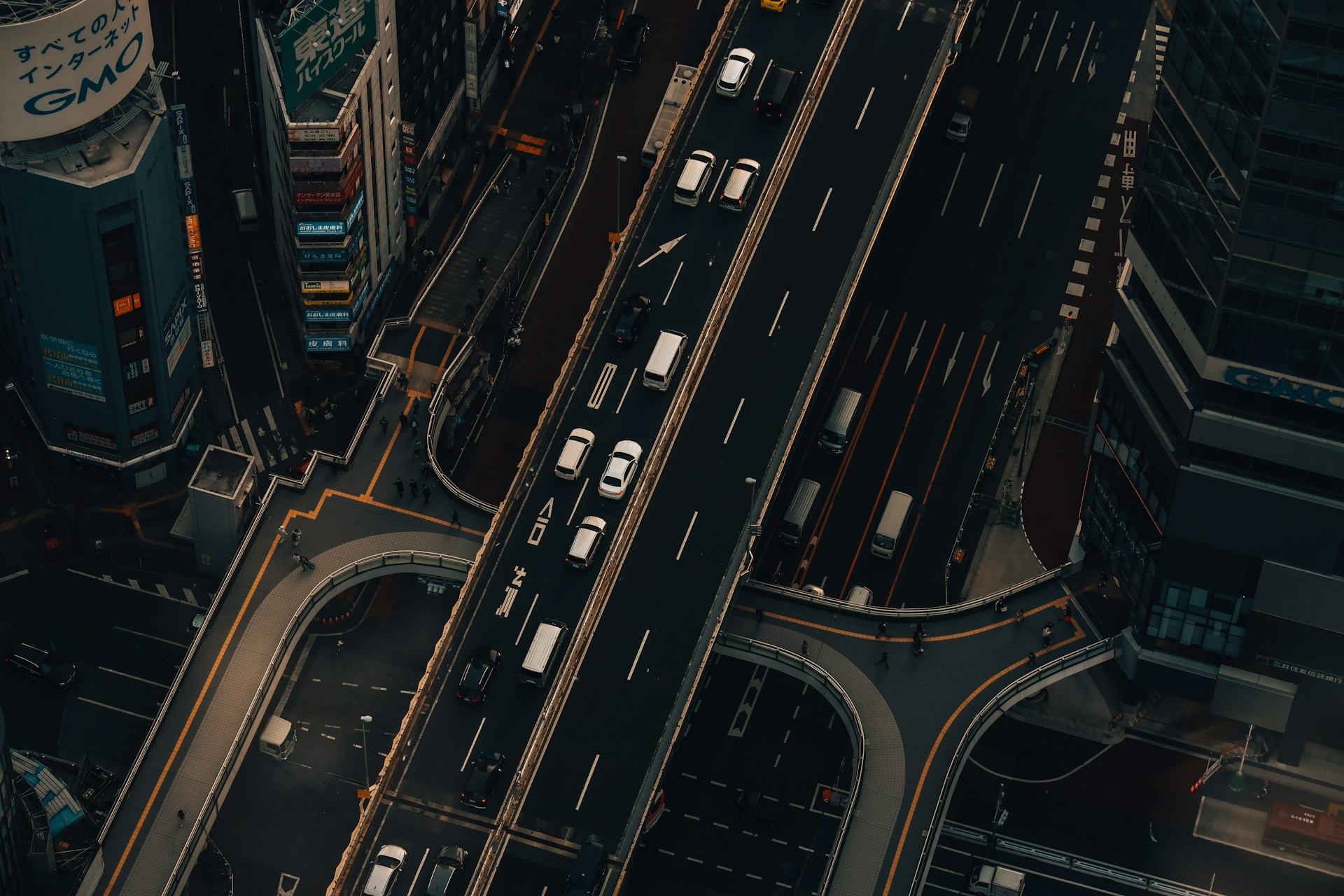
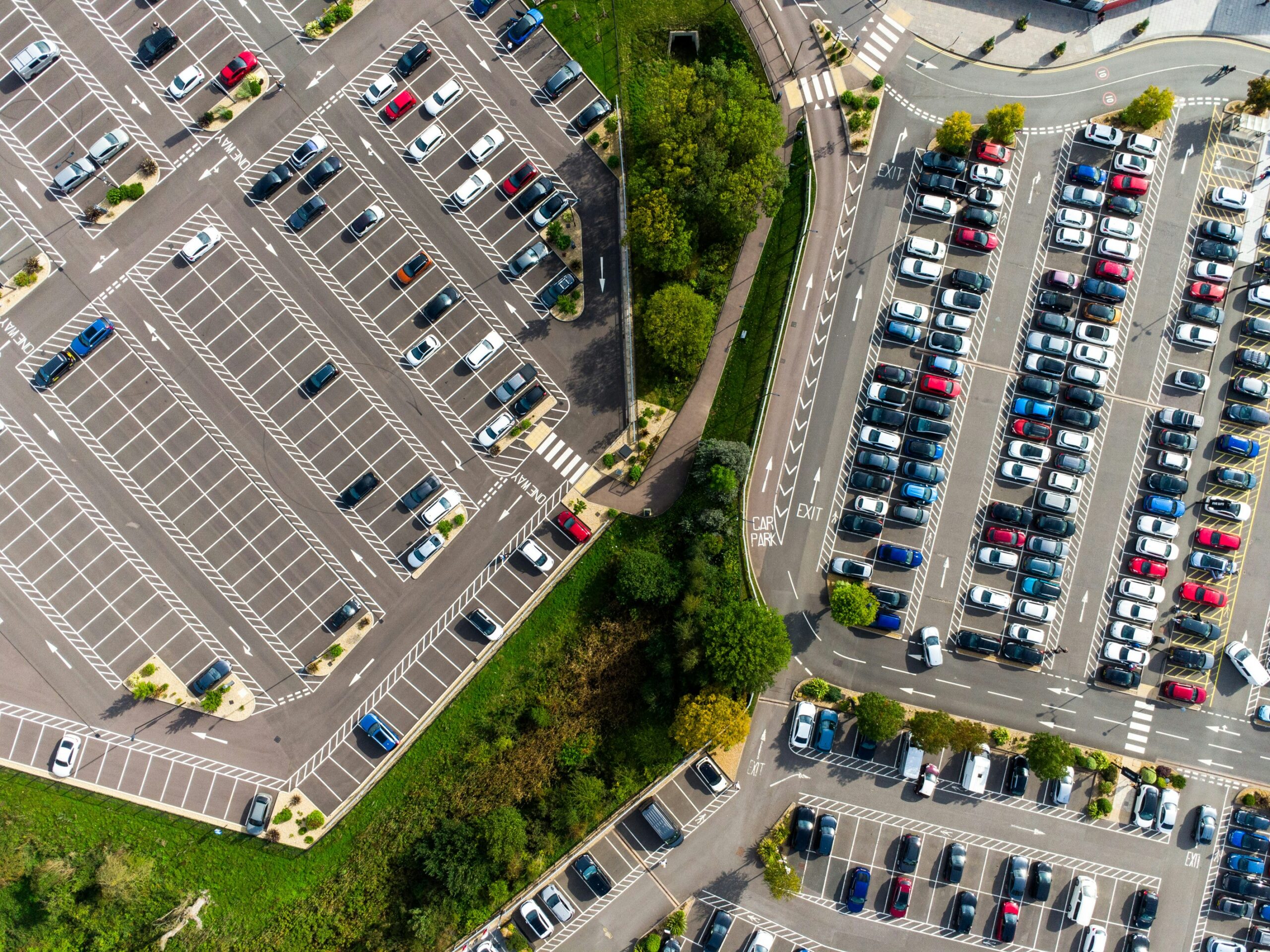
Managing vehicle parking in cities has become a key issue for reducing air pollution. Smart parking management reduces the time spent driving around looking for a space and also improves mobility. Essentially, smart parking and curbside management helps optimize public space and reduce congestion.
The problem of on street parking is worsening as sidewalk space is increasingly used for electric vehicle charging stations, spaces for shared cars, and loading and unloading zones. To achieve effective space management and support overall mobility, cities are implementing different systems.
What is parking management and why is it important for cities?
It is estimated that up to 30% of traffic in city centers is generated by drivers searching for parking, but with the digitalization of sidewalks this figure could be reduced by 50%. It is not just about regulating parking with meters, but about optimizing curb space for logistics deliveries, micromobility, and electric vehicle charging.
This is why cities are beginning to develop strategies to manage parking, such as pricing based on parking duration and demand, or collecting data to identify where spaces are available.
What technologies are used in smart parking?
The smart parking management software market is growing and, according to forecasts, could reach $25.5 billion by 2033, with a wide range of products offering comprehensive solutions:
- Sensors and IoT connectivity. These sensors indicate when spaces are occupied, enabling real time tracking of available parking. Data is transmitted through IoT networks.
- Smart cameras and machine learning. These cameras detect available spaces and can classify the type of vehicle (car, van, electric vehicle). Machine learning can be used to predict demand, assign parking spaces, optimize pricing, and minimize congestion.
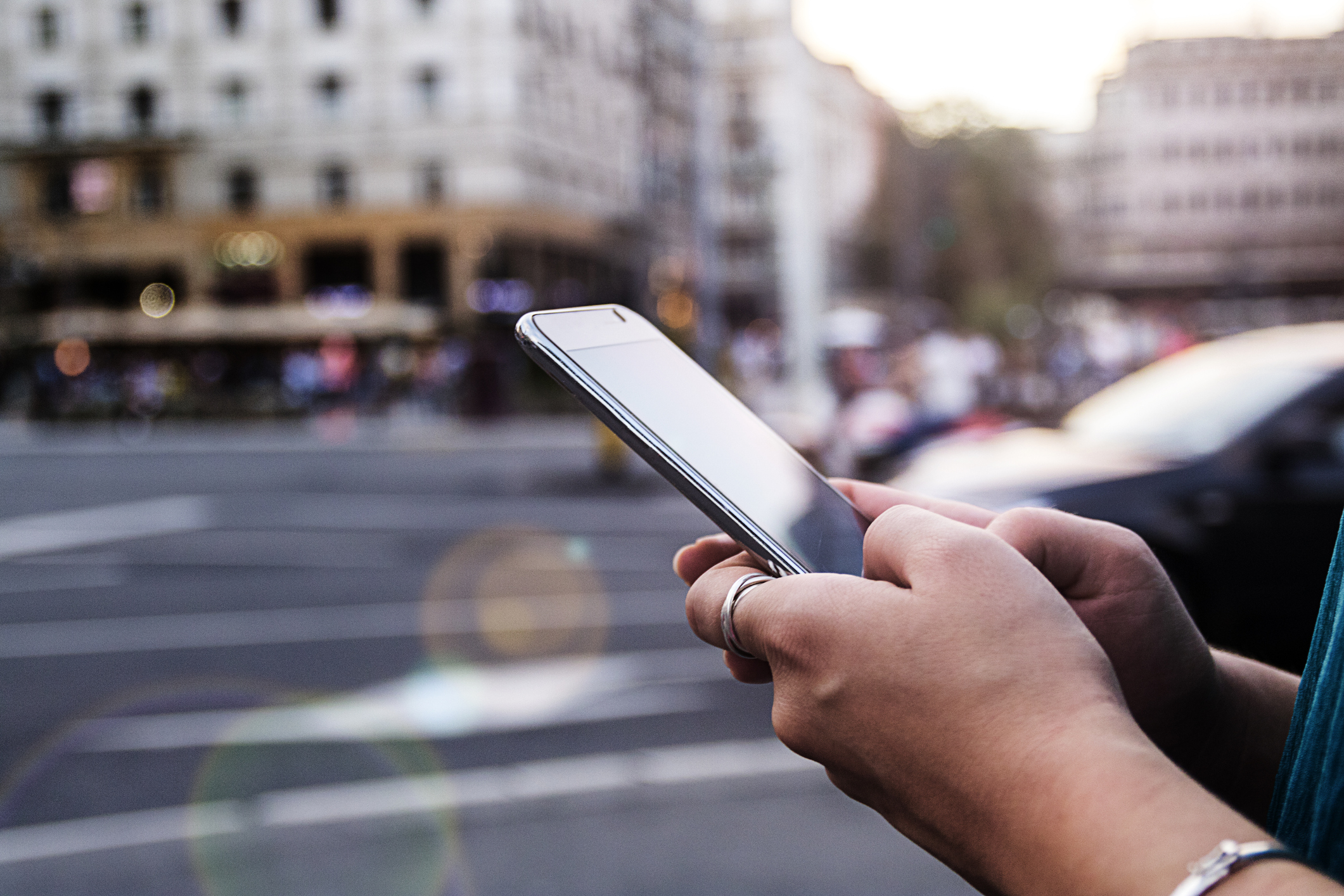
- Mobile applications. They provide drivers with real time information on available spaces and allow digital payment, eliminating the need for physical parking meters on sidewalks.
- Predictive analytics. Cities can forecast occupancy in advance based on traffic, weather, or special events, guiding drivers to less crowded areas to optimize mobility.
- License plate recognition. This facilitates vehicle access and enables digital parking payment.
What is curb management and how is it related to parking?
Curb management is a strategy that regulates how curb space is used (the strip between the roadway and the sidewalk) to balance the multiple activities that take place there: parking, loading and unloading, ride hailing services, last mile deliveries, and electric vehicle charging.
Curb management involves planning, allocating, and monitoring how space is used based on several factors. First, demand must be considered, whether it is used for deliveries, parking, micromobility, or public transport. Second, duration of use, since space usage changes depending on the time of day or day of the week. Finally, objectives must be defined, whether the space is used for economic activity, accessibility, road safety, or to reduce traffic congestion.
There is a direct link to parking, as it is one of the primary uses of curb space. Curb management represents the evolution of traditional parking into a smarter, more flexible model focused on sustainable mobility.
What measures are cities taking to manage parking?
With the expansion of curbside uses, cities are promoting measures aimed at prioritizing these uses in a smart and flexible way.
Parking is evolving toward more dynamic systems with variable pricing based on demand (dynamic pricing), along with sensors and apps to locate available spaces and reduce traffic from drivers searching for parking.
To address loading and unloading challenges driven by the growth of ecommerce, flexible zones are being created that allow logistical use during certain time windows and function as parking for the rest of the day. In addition, digital space reservations are being introduced for fleets.
With the increase in ride hailing services, designated areas are being established for passenger pick up and drop off zones.
The rise in electric vehicles in cities has led to the creation of charging points, with parking spaces reserved exclusively for charging and time limits to prevent improper use of the space.
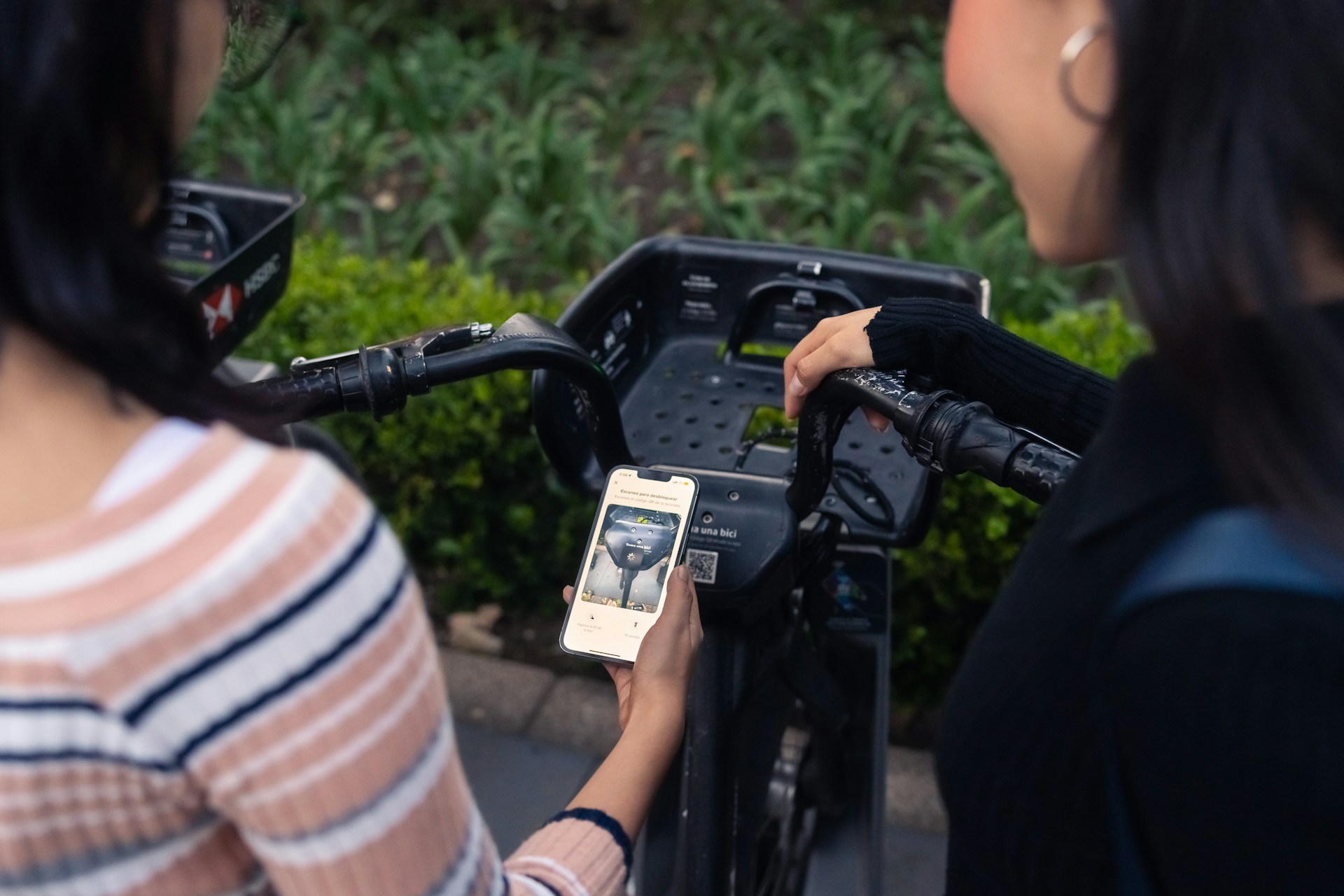
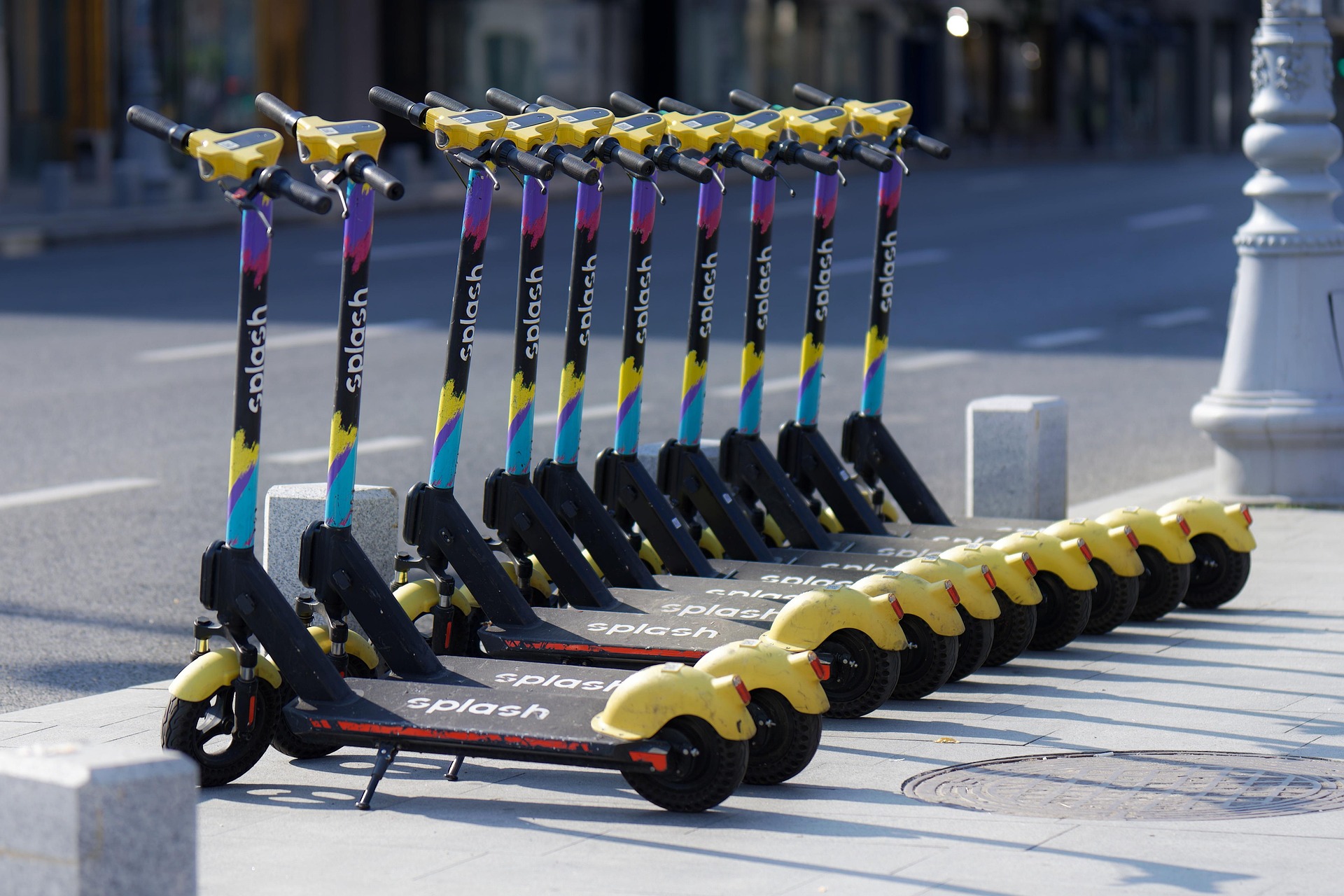
Regarding micromobility, such as scooters and bikes, cities have introduced smart docking stations and cameras to detect improper parking.
Which cities have developed the most innovative solutions to optimize urban parking management?
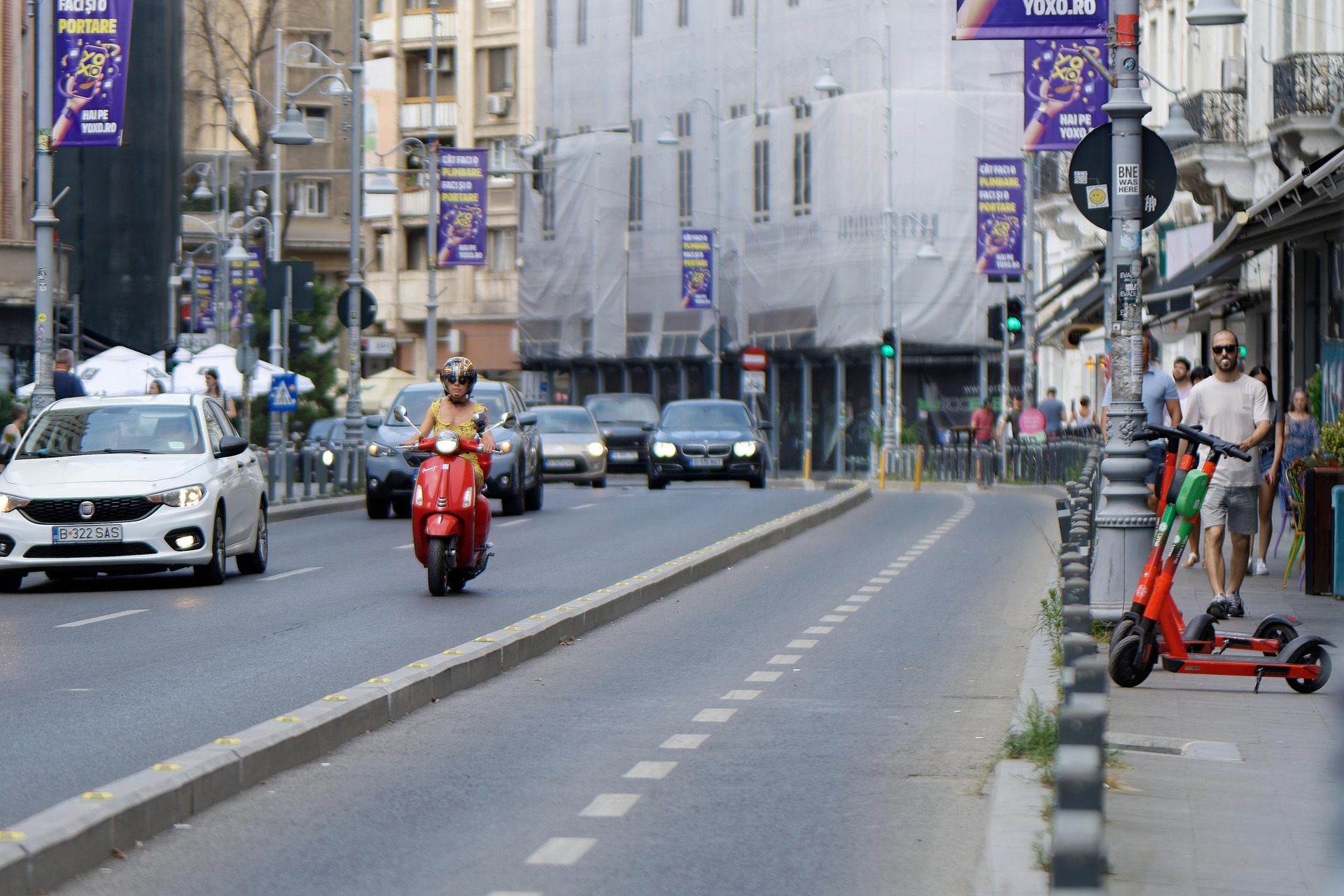
Among the cities that have developed innovative curb management approaches with positive results are:
San Francisco
This is the best example of dynamic pricing for managing traffic and transportation services. Among other strategies, it uses sensors to adjust parking prices in real time based on availability. This encourages drivers to look for spaces in less congested areas. With this system, the time spent searching for parking has been reduced by 43% and the distance traveled while searching for a space by 30%.
Portland
Portland has created zero emission delivery zones reserved for electric and zero emission delivery vehicles, as well as smart delivery zones that use advanced sensors and real time data to manage access for commercial fleets. The use of electric cargo tricycles for last mile deliveries is also encouraged. With this system, the city has achieved a 60% reduction in loading and unloading time and a 40% decrease in double parking.
In Europe, the FlexCURB project focuses on the digitalization and optimization of curb and public space management, with an emphasis on improving last mile urban logistics. Its goal is to transform static curb management into a dynamic system by adapting space usage in real time based on demand.
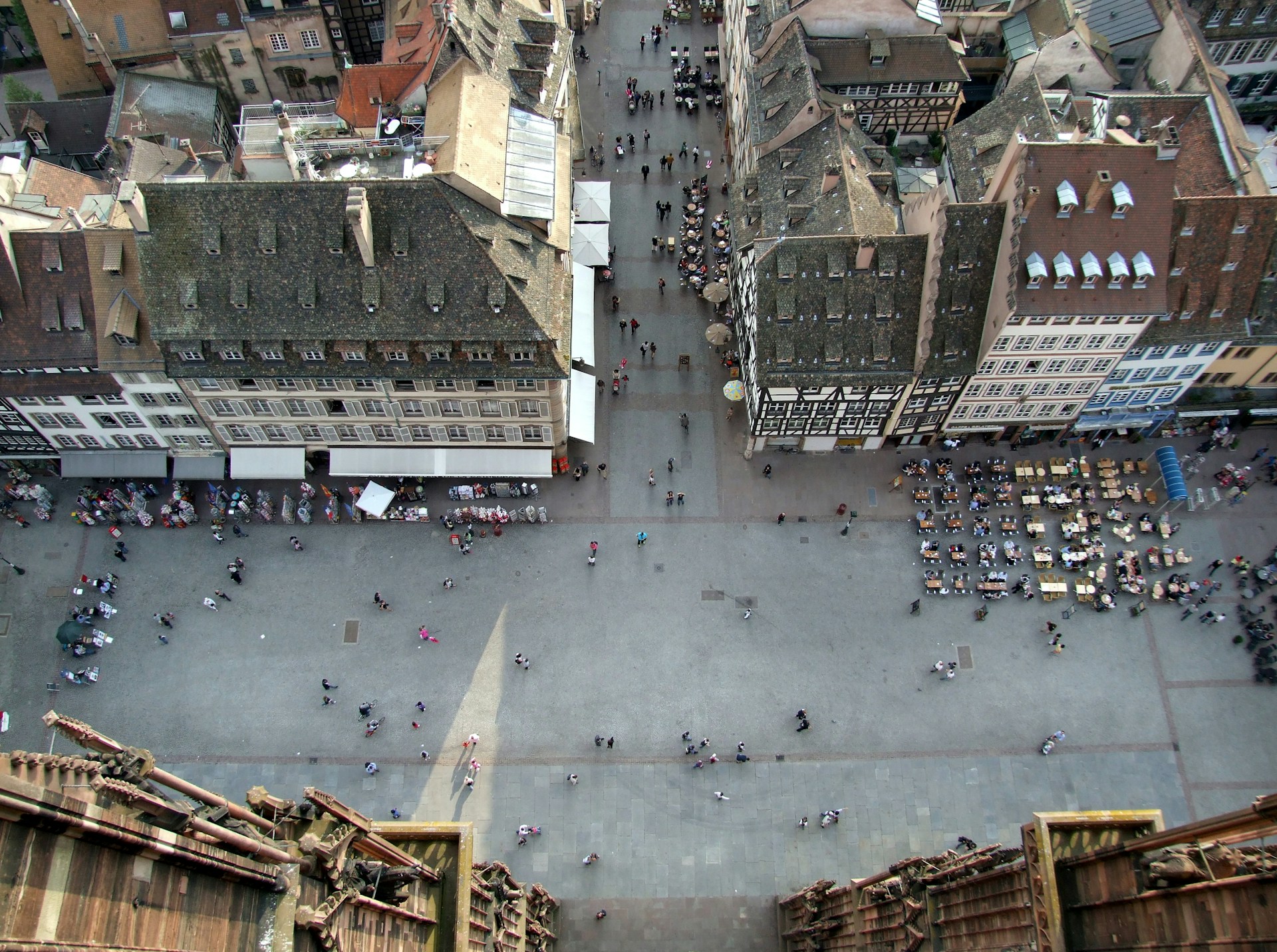
Cities including Leuven, Strasbourg, Toulouse, and Funchal have participated in this project to test and validate dynamic curb management solutions. The aim of the measures implemented in these cities is to reduce traffic congestion, lower emissions, and improve the efficiency of goods distribution in urban environments.
Images | Murat Ts. Surprising_Media Icsilviu