Federico Savoldi, Solum Photovoltaic Innovation | The Right Infrastructure to Promote Shared and Active Mobility
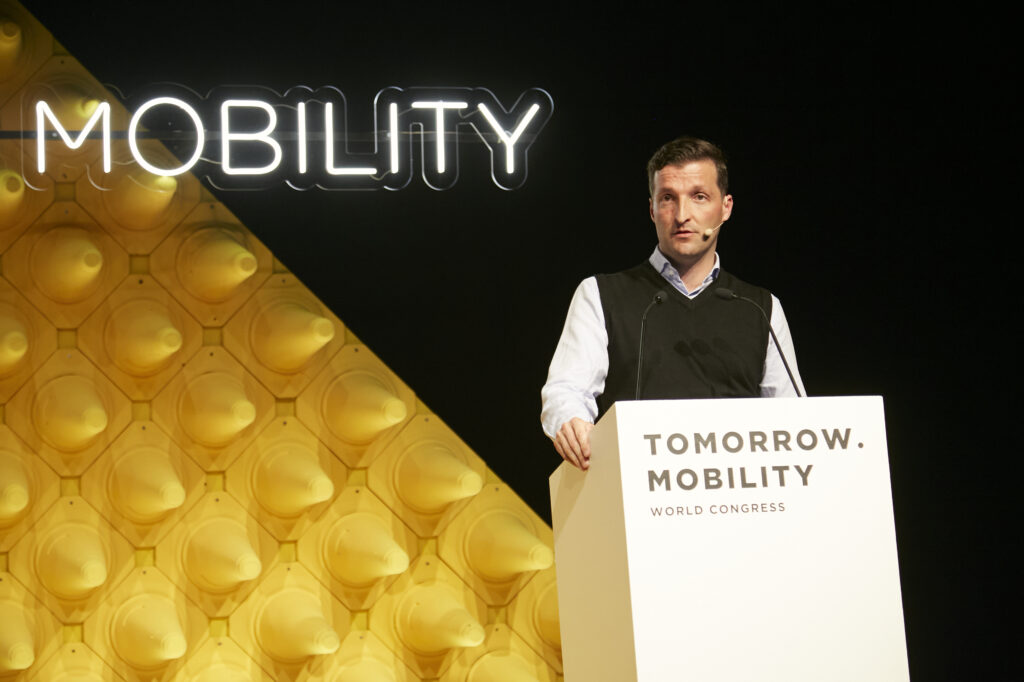
Shared, on-demand active mobility are key ingredients of a successful transition to sustainable urban mobility. While the uptake of these solutions depends on specific city conditions and citizens’ attitudes, providing the necessary digital and physical infrastructure is a crucial step. In this session, city and industry representatives will discuss their roles in making multimodal mobility easier for citizens thanks to targeted changes in the built environment and user-friendly digital offerings.
Manel Villalante, Renfe | The Right Infrastructure to Promote Shared and Active Mobility
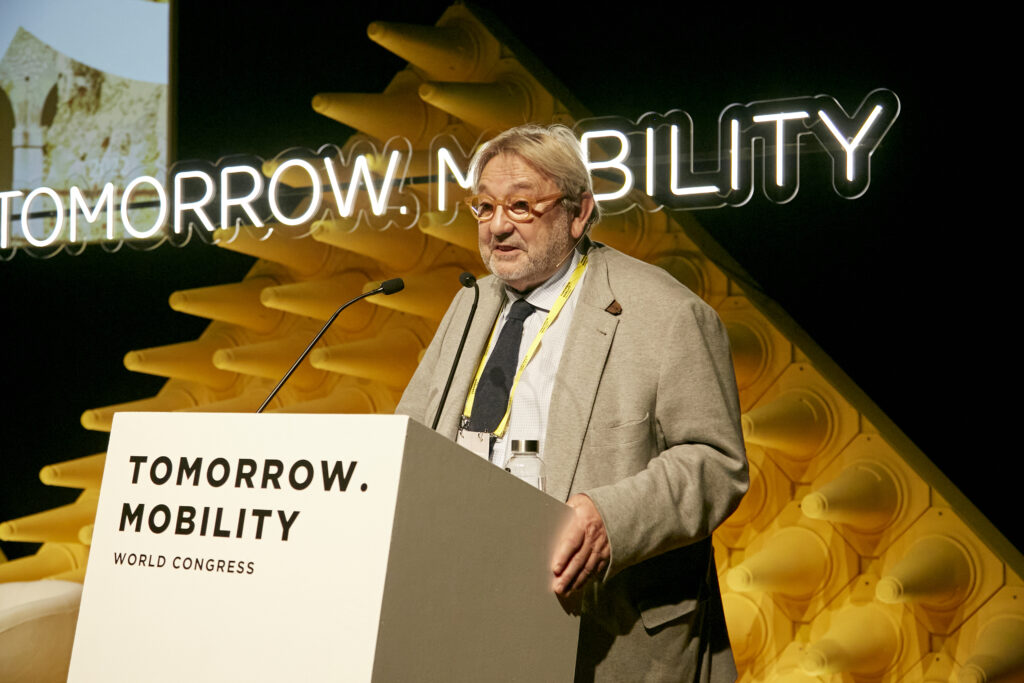
Shared, on-demand active mobility are key ingredients of a successful transition to sustainable urban mobility. While the uptake of these solutions depends on specific city conditions and citizens’ attitudes, providing the necessary digital and physical infrastructure is a crucial step. In this session, city and industry representatives will discuss their roles in making multimodal mobility easier for citizens thanks to targeted changes in the built environment and user-friendly digital offerings.
Andrés de León, Hyperloop | Getting Your Mobility Solutions Funded

The EU Green Deal objectives cannot be achieved without innovators and solution providers. Yet, entrepreneurs sometimes struggle to find the right funding sources to turn their ideas into reality. In this session, institutional and private investors will shed light on the current funding landscape, and successful entrepreneurs will share their experience with getting funded. What can we learn from high-performing start-ups and scale-ups? How can innovators connect with investors to maximise their impact?
Lucy Sadler | Urban Improvement with Vehicular Access Regulations
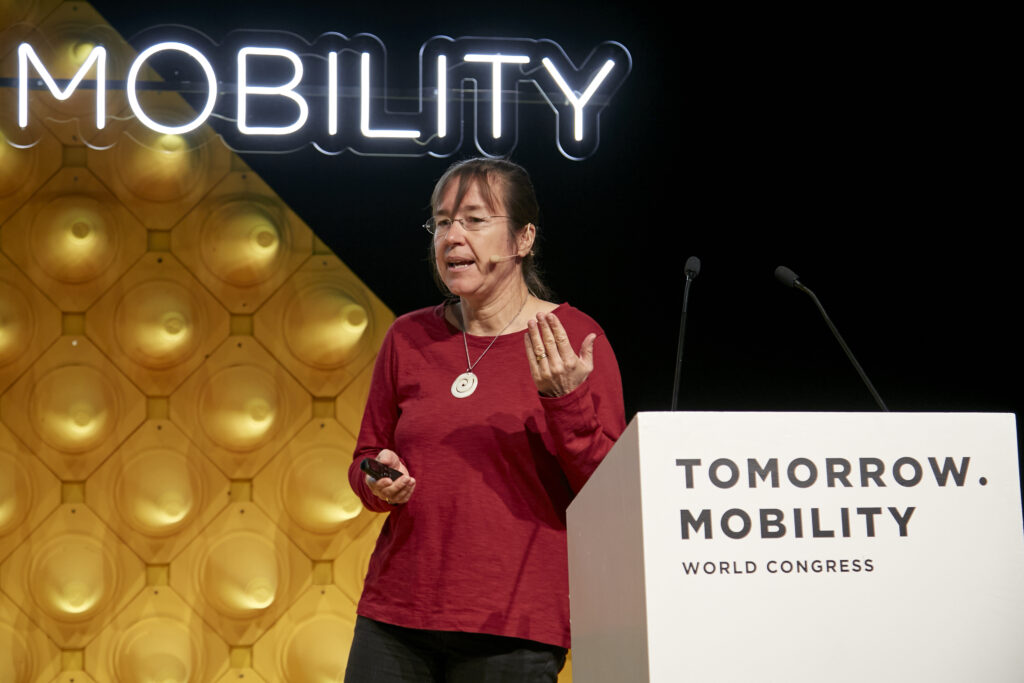
Improving air quality is key to more liveable urban spaces, and a priority for many European cities. The transition to a zero-emission transport sector is needed to achieve this goal. Across Europe, schemes to reduce traffic pollution such as low-emission zones (LEZ) have multiplied, and more are planned in the future. What specific aspects need to be considered when planning and implementing LEZ? Are cities ready for the increasing number of electric vehicles?
Gunter Pauli: The Blue Economy, a Portfolio of Opportunities
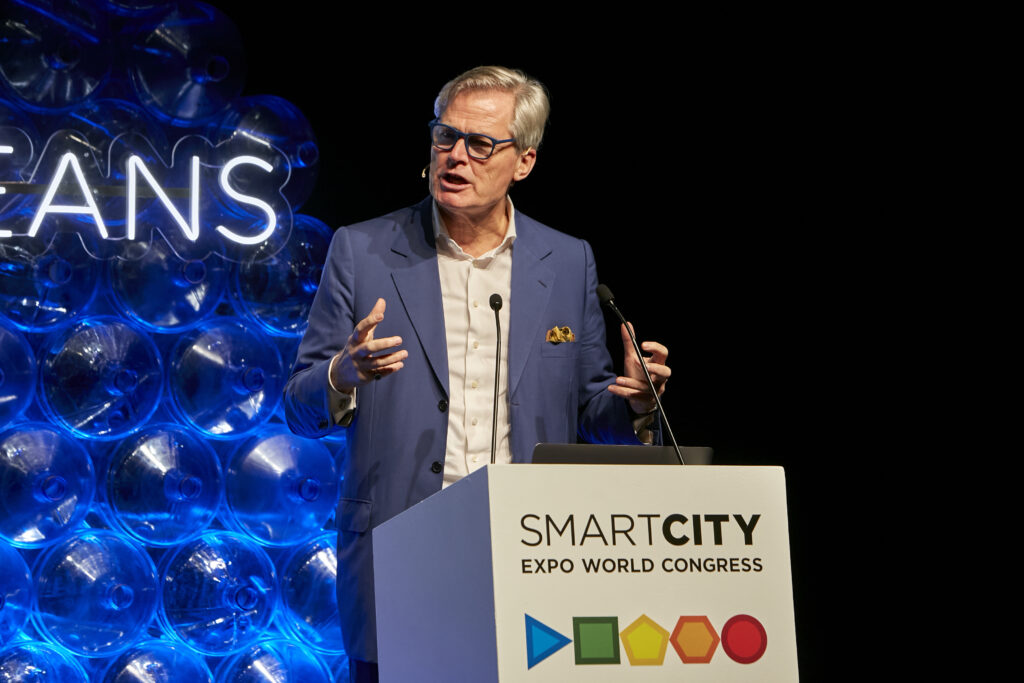
The Blue Economy transforms innovations into novel business models. How to communicate underwater using ultrasound. How to remove microplastics from seawater like our lungs extract CO2 from our blood. How to produce hydrogen from seawater at a third of the cost. How to forecast the weather measuring water density. How to capture wind power at altitudes using robotics and AI securing baseload power… are only a few of the breakthroughs that are the basis of a portfolio of new business models that can very turn into the industries of the 21st century.
Engaging Citizens for a Collective Future
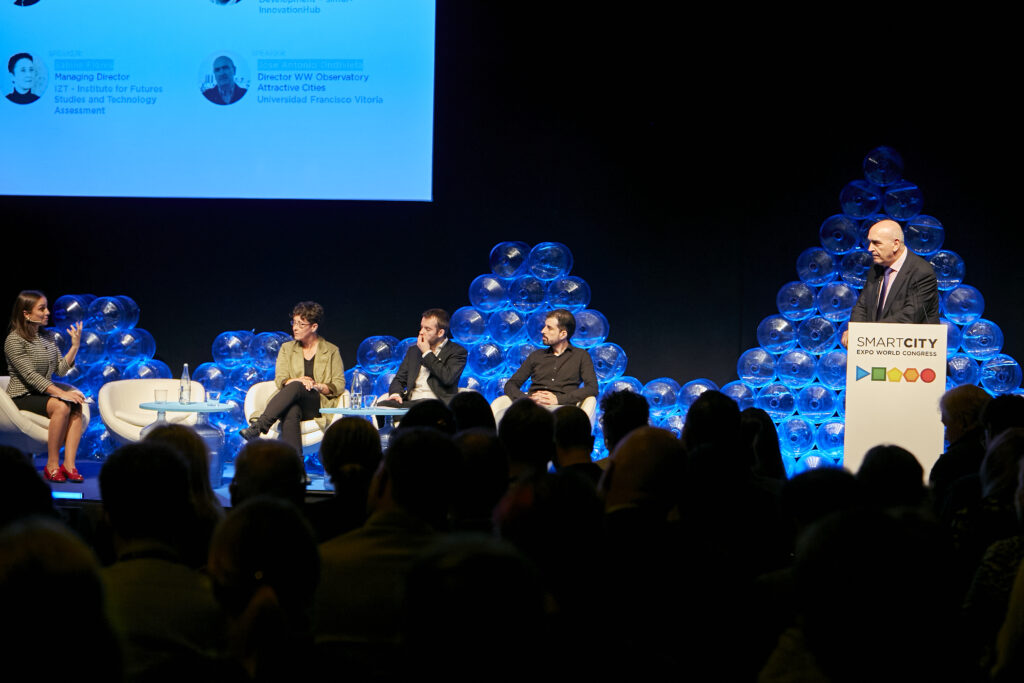
Collaboration and co-creation for a better quality of life, well-being, development, and governance is the ultimate approach for trust-building and decision-making. How are cities tackling their main development and equity challenges? What is the role of citizens’ engagement and collaboration in this process?
Jim Walker, Walk21 Foundation | New Ways to Achieve Gender Equality in Transport
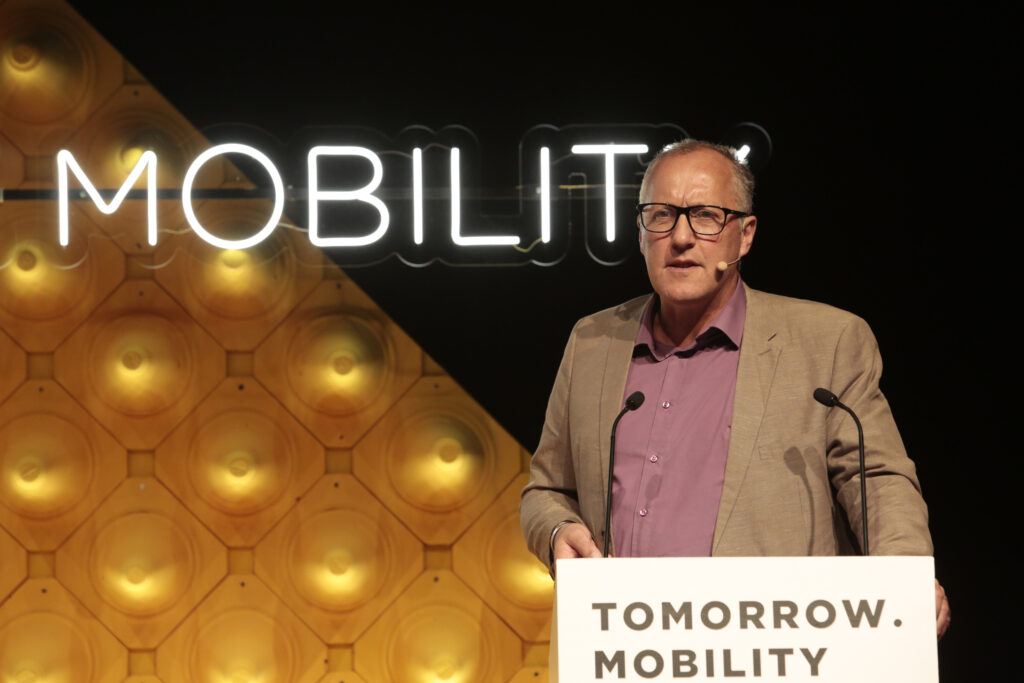
A growing body of evidence points to the differences between men and women travel patterns and mode usage. While it is common to consider urban transport to be gender-neutral, transport planning is unconsciously biased towards traditional male travel patterns and modes. What are the structural gender differences and mobility patterns resulting from them? How can they be best taken into account by cities and urban planners?
Heather Allen, Median SRL | New Ways to Achieve Gender Equality in Transport
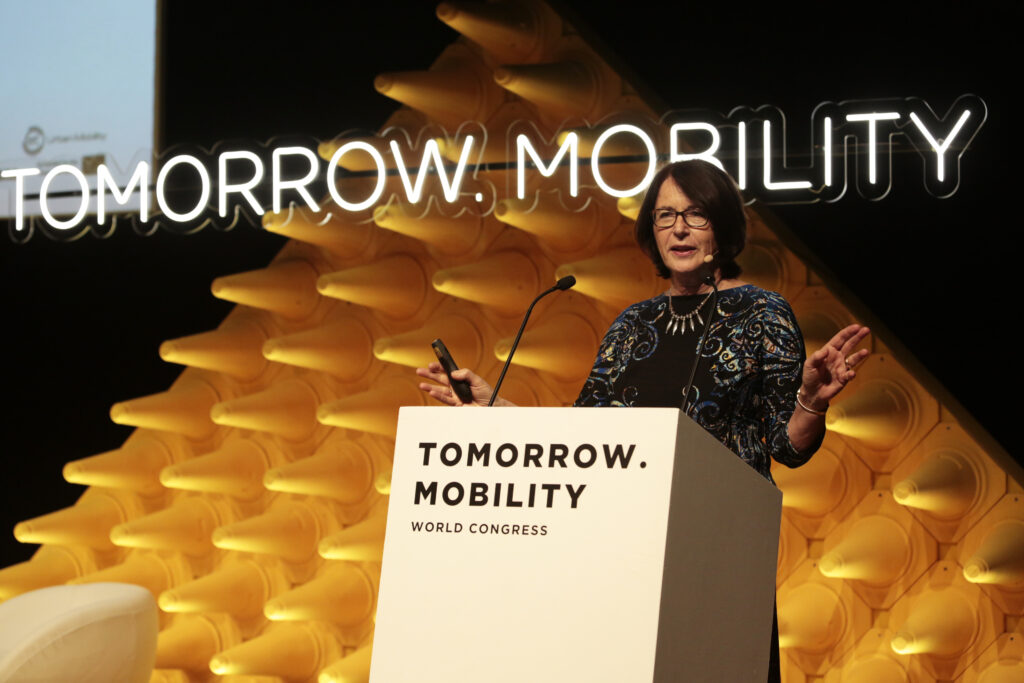
A growing body of evidence points to the differences between men and women travel patterns and mode usage. While it is common to consider urban transport to be gender-neutral, transport planning is unconsciously biased towards traditional male travel patterns and modes. What are the structural gender differences and mobility patterns resulting from them? How can they be best taken into account by cities and urban planners?
Benjamin Büttner | Accessibility and Inclusiveness: Drivers of New Urban Mobility
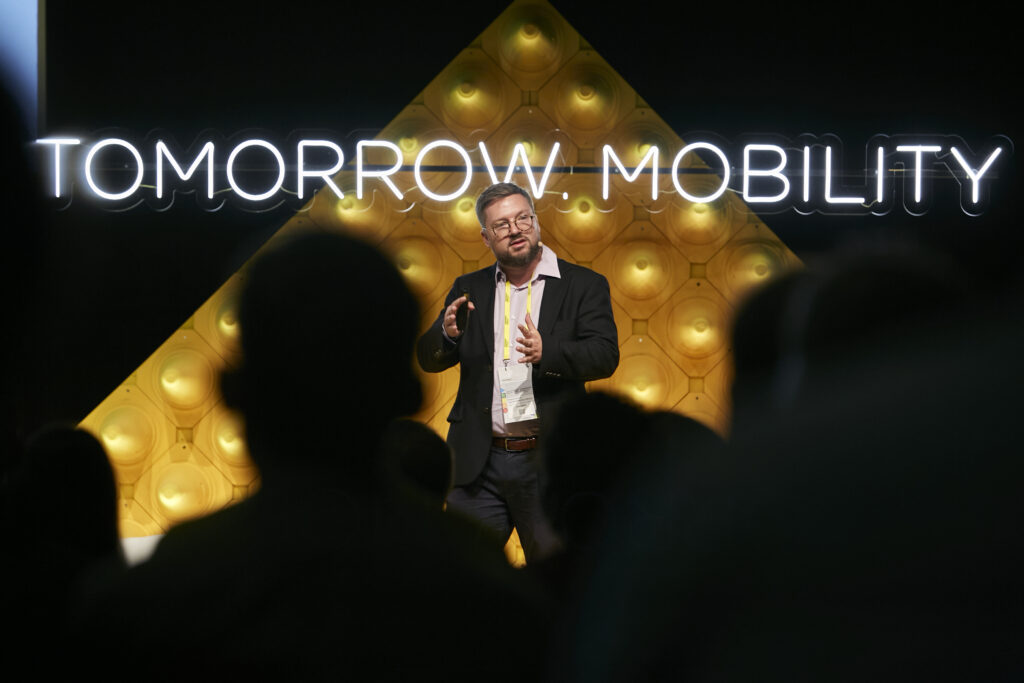
Debates on the inclusiveness of urban space have been gaining attention with compelling mobility concepts such as the 15mn city. Centred around principles such as accessibility, proximity, or tactical urbanism, these concepts call for an overhaul of how public space is distributed in cities – and could completely reset urban mobility systems. How far are cities from implementing this vision? What are priorities areas that should be addressed to get there? What opportunities can be expected from street redesign and public realm transformations?
How Taiwan wants to turn its metro stations into vertical farms
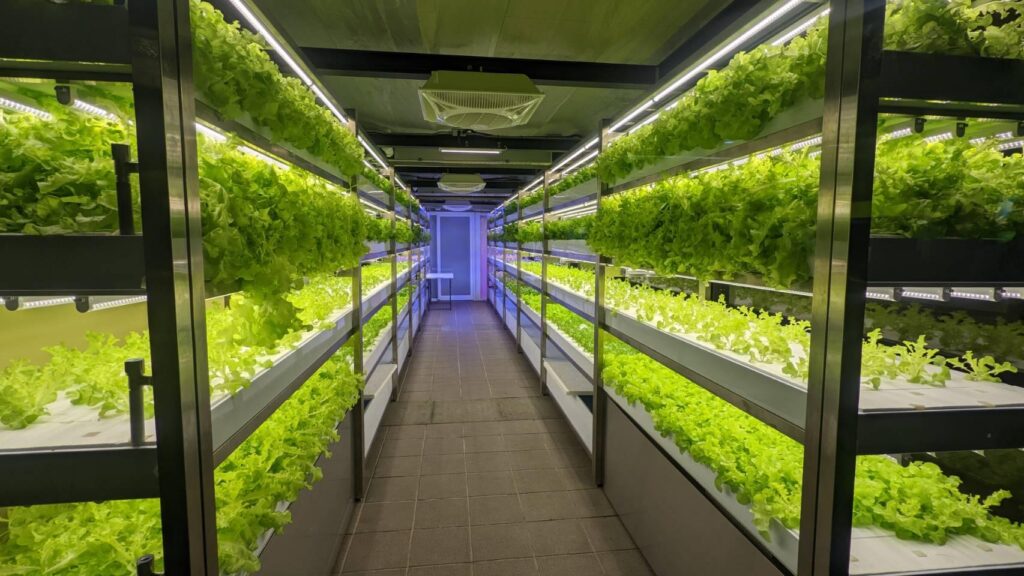
We look at Taiwan’s vertical farm model at subway stations. Cost, results and food production. Do they reduce the island’s dependence on imported food?