Will Computer Vision Kill the Sensor?

Cities around the world, are turning to computer vision-powered cameras to gather actionable data. Sensors are being phased out in some cases in favor of computer vision-powered solutions. Predictive algorithms can also be enabled by computer vision, allowing cities to anticipate events before they occur. So, will advancements in computer vision technology have an impact on the deployment of millions of sensors, effectively killing IoT sensors, or will we always need more IoT sensors deployed throughout the city because some applications cannot be addressed by computer vision powered cameras? Or are all these technologies meant to work in tandem to improve the performance of smart cities? We discuss this with Charbel Aoun – Smart Cities & Places Director EMEA at Nvidia, Nicolas Keutgen – Chief Innovation Officer at Schreder, and Andrea Sorri – Business Development, Smart City Segment EMEA at Axis Communications.
Is Barcelona a Smart City?

We focused on the Smart City Expo World Congress host city in this panel. Barcelona was one of Europe’s first cities to implement smart city technology. In 2014, it was even named the European Capital of Innovation. However, in recent years, as city authorities have focused on citizen-driven initiatives, the Spanish city appears to have fallen behind. In this Panel: – Maria Galindo Garcia-Delgado, Board Member of the European Commission’s Climate-Neutral and Smart Cities Mission and previously Manager for Smart City Business Development at the City of Barcelona and Director General for Digital Nation and Urban Agenda of the Government of Catalonia. – Esteve Almirall, Associated Professor at Esade in Barcelona and Director of the Center for Innovation in Cities. Esteve is passionate about artificial intelligence and digitalization.
What Can Cities Learn from Mercedes-Benz Data Platform?
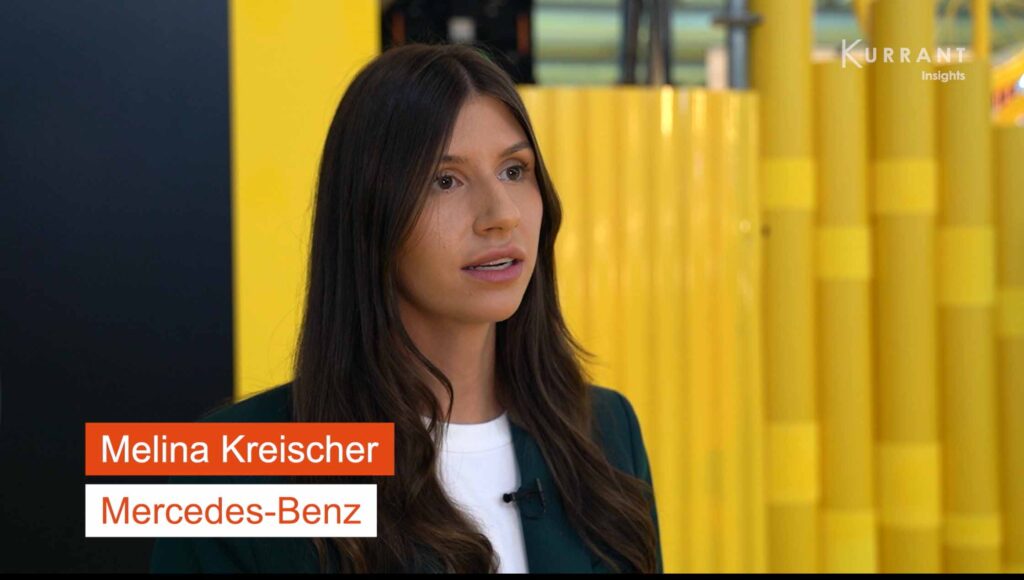
The Mercedes-Benz AG’s Data Dashboard display, process and share (through API) a number of data collected from over 14M connected Mercedes-Benz vehicles in the world. It includes road conditions data, traffic and parking, air quality etc… We spoke with Melina Kreischer, Product Owner Data Driven Mobility and Patrick Blume Product Owner, Data Driven Mobility & Data Business Models at Mercedes-Benz AG.
Zina Cinker, Puzzle X | Welcome to the MATTERverse
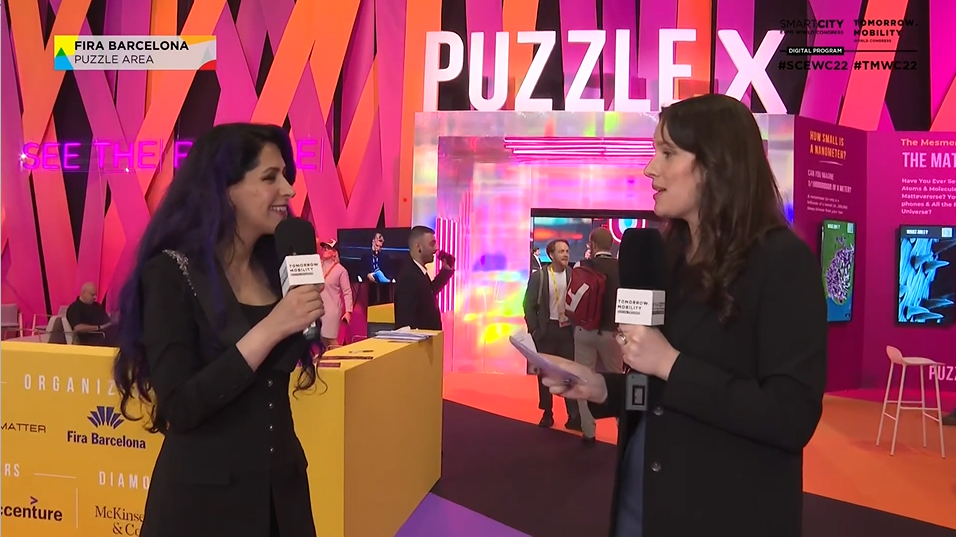
Humankind’s history is punctuated with moments of profound innovation and advancements, but never has so much transformation been seen as in the last hundred years. We now find ourselves in a critical moment; one that requires we once again adapt, innovate, and harness cutting-edge technologies to face new challenges and avoid a climate catastrophe. Here to speak about frontier tech for the future is Dr. Zina Cinker, chief creator of Puzzle X. Running in parallel to the Smart City Expo, Puzzle X is here to bring together world-renowned figures in technology, science, industry, and government to generate synergetic solutions for a sustainable and prosperous future.
How tourism has changed throughout history

Tourism has been enjoyed for thousands of years, although it is only in recent decades that it has started to generate negative impacts. How has tourism changed and how can it overcome the challenges it faces and reduce its impact?
This 3D printed vertical garden produces its own food

The project is a research co-funded by the EU commission, it is co-designed with children from schools in Porto in Portugal and it will be moved to these schools courtyards after the end of the Smart City Exhibition.
Agorythm by Onionlab | Immersive lights that show the invisible urban data

The Congress access tunnel is an immersive audiovisual experience created by Onion Lab. Agorythm is a poetic journey to the heart of a city, country or territory, thanks to the collection of real data from the urban core, turning them into a kinetic simulation of its reality environmental in real time.
The Great Smog of 1952, the humanitarian disaster that changed the world
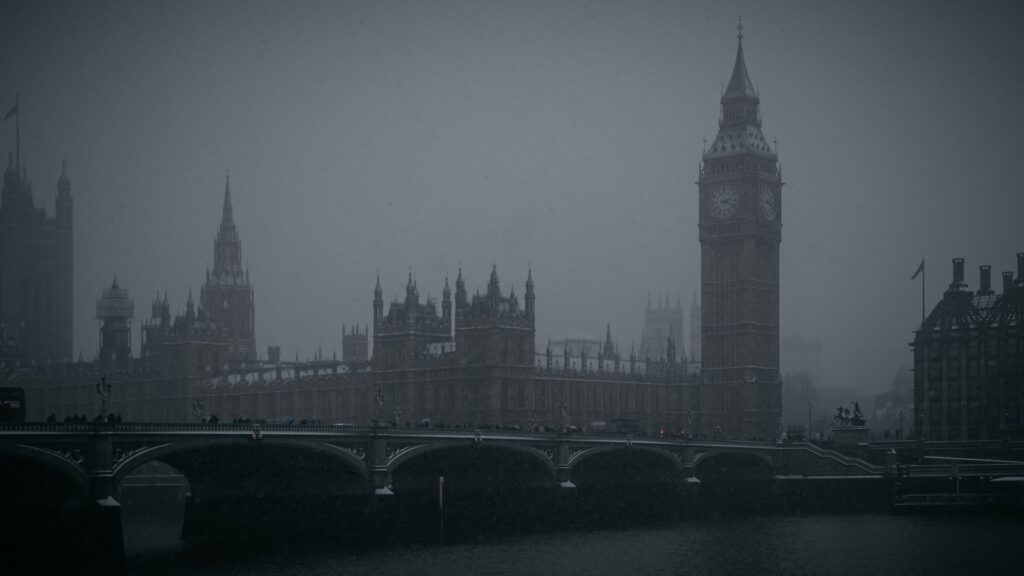
On December 5, 1952, London found itself engulfed in a dense polluting ‘smog’, which took four days to dissipate and killed 4,000 people and over 150,000 were hospitalized. The total number of deaths rose to 12,000 after a few months. That was the Great Smog of London, a phenomenon that changed the way we looked at pollution and cities and changed environmental laws forever.
These are the five largest public parks in the world (and their interesting features)

When we think of cities with the largest public parks in the world, we immediately think of London or New York. However, despite the popularity of these parks, the largest public parks in the world are not located in these cities. And some cities are home to absolute nature reserves that are open to the public.
ThoughtLab | Building a Future-Ready City

ThoughtLab has collaborated with a global coalition of business, government, and academic leaders to provide city decision-makers with an evidence-based roadmap. This research initiative explores how 200 cities use innovation, partnerships, and other drivers of change to build their future. It also examines the changing expectations and behaviors of 2,000 citizens in 20 cities, and how these citizens view the efforts of their urban leaders.