




Table of Contents
The cities of the future are not built with concrete alone, but with a silent network of sensors that measure noise, control public lighting, detect water leaks, and issue flood warnings. Through the use of digital technologies, smart cities are improving the efficiency of services, environmental protection, and citizens’ quality of life. However, coordinating all these elements, particularly given the diversity of needs and providers, is no small task. To simplify this process, the open LoRaWAN standard enables transparent communication between urban IoT devices.
Smart cities have data and telecommunications networks comprising fiber optics, 4G and 5G mobile networks, and low-power networks for connecting sensors; smart electrical grids or smart grids that integrate renewable energy generation and smart meters to balance supply and demand; public service networks that connect street lighting, water management, and waste collection; and IoT networks such as LoRaWAN that connect devices and sensors to collect real-time data.
An open network for developing smart cities
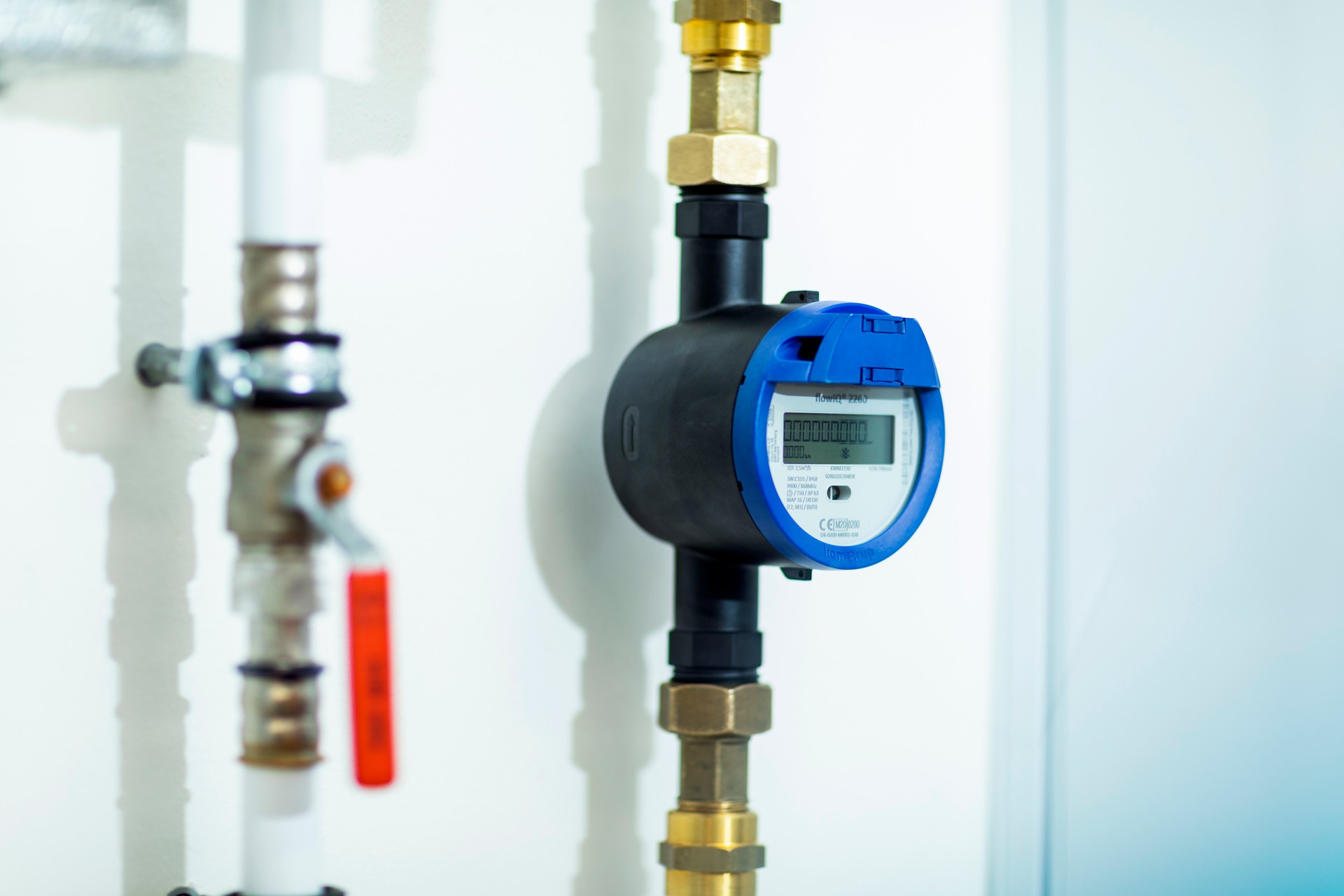
LoRaWAN is an open network protocol that enables long-range wireless communication between devices with low energy consumption. This standard connects devices and sensors to collect real-time data, supporting a wide range of urban services such as parking and traffic management, environmental and air quality monitoring, public lighting, waste management, water and utility metering, energy monitoring, and stormwater and leak detection. This enables measurable savings and faster decision-making.
LoRaWAN’s effectiveness is demonstrated by its rapid growth. LoRaWAN now connects more than 150 million devices worldwide, growing at a 25% CAGR. In addition, LoRaWAN offers the broadest range of applications of any low-power wide-area network (LPWAN) technology.
What advantages does LoRaWAN offer?
LoRaWAN is increasingly seen as one of the four main pillars of wireless IoT connectivity, alongside cellular, Wi-Fi and Bluetooth. Its advantage lies in its ability to fill an operational gap that other technologies have been unable to address. For example, it overcomes Wi-Fi’s difficulty communicating through indoor obstacles or over long distances, a limitation also faced by Bluetooth, while its use of unlicensed frequency bands eliminates the monthly fees associated with cellular networks.
LoRaWAN’s main advantages include:
- Greater accessibility, because it is built on an open standard that offers numerous open-source implementations, accelerating time to market.
- Low infrastructure costs compared with other technologies. Combined with its open-standard model, this means that anyone can develop their own network, not just large companies, which is a major advantage for smart cities.
- Low energy consumption, allowing devices to operate for up to 10+ years on a single battery.
- Long range and extensive coverage both indoors and outdoors, facilitating its use in businesses, smart buildings, transportation and logistics, retail, and other sectors.
An alliance to drive global IoT adoption
The LoRaWAN ecosystem is led by the LoRa Alliance, the nonprofit organisation that develops the LoRaWAN standard and drives global IoT adoption. The alliance represents the interests of more than 300 member companies, with 46 joining so far in 2026, and has certified more than 650 devices to ensure compliance with the standard.
The LoRa Alliance works to define and promote the LoRaWAN standard, certify devices, and bring together an ecosystem of chipset manufacturers, network operators, gateway and device manufacturers, and solution providers that develop and implement real-world deployments.
This standard supports numerous smart city applications around the world, such as Erbil’s flood early warning system, connected bicycles in Switzerland, water meters in France, and public lighting in India.
Iceland: Smart monitoring of geothermal pipelines
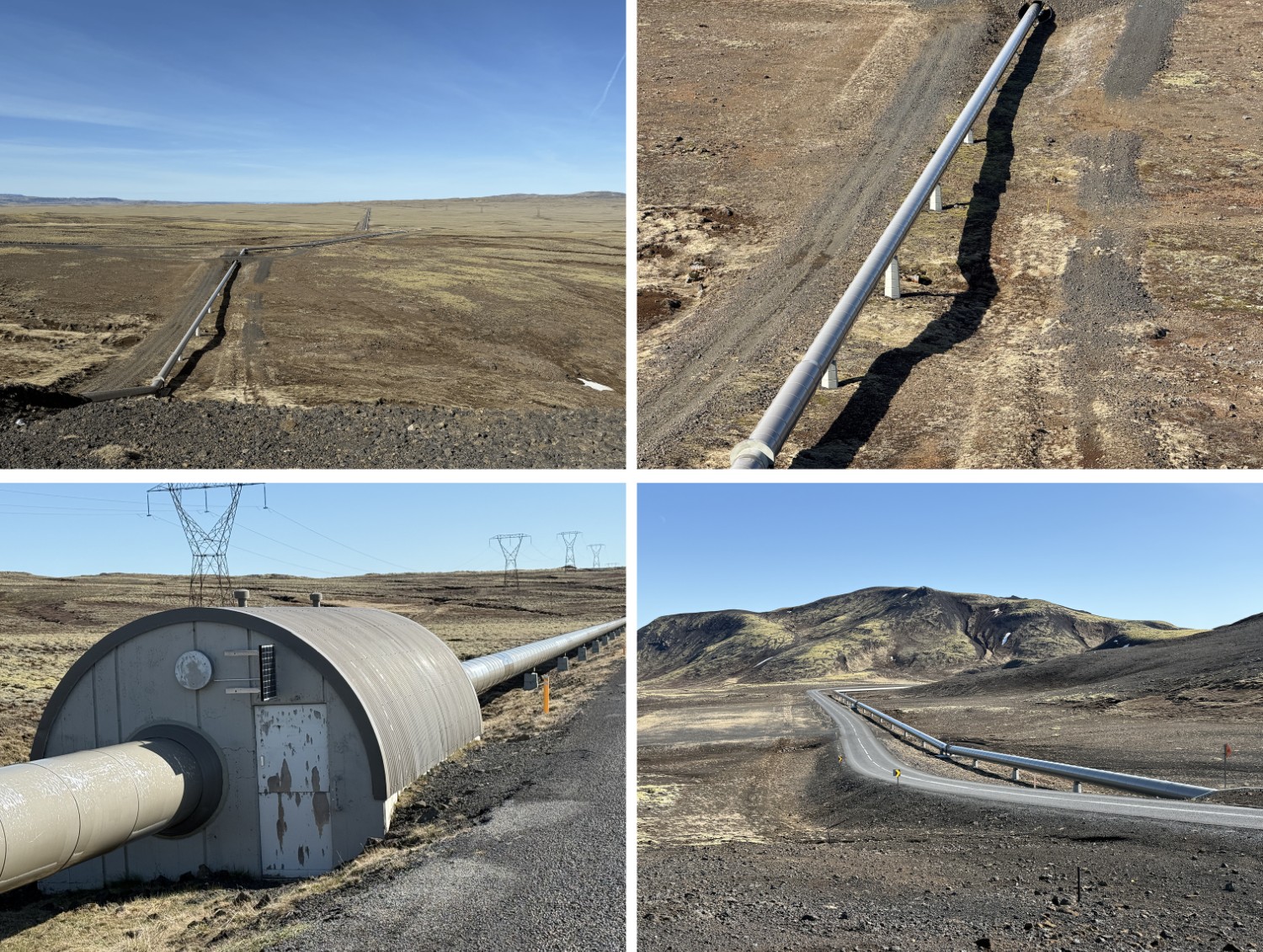
Iceland is among the world’s nine leading geothermal energy-producing countries, using geothermal energy to provide heating for 90% of homes and generate 30% of its electricity. It has a 27 km geothermal pipeline connecting the Nesjavellir power plant with Reykjavik, supplying the city with hot water for heating and electricity.
The challenge was to implement smart monitoring of the pipeline to ensure its safety and efficiency. However, there were several difficulties. To begin with, the location, with homes situated in mountainous areas with limited coverage. Access was also restricted because the road running alongside the pipeline is not maintained during the winter, making inspections difficult, while on-site personnel were needed to check the condition of the valves.
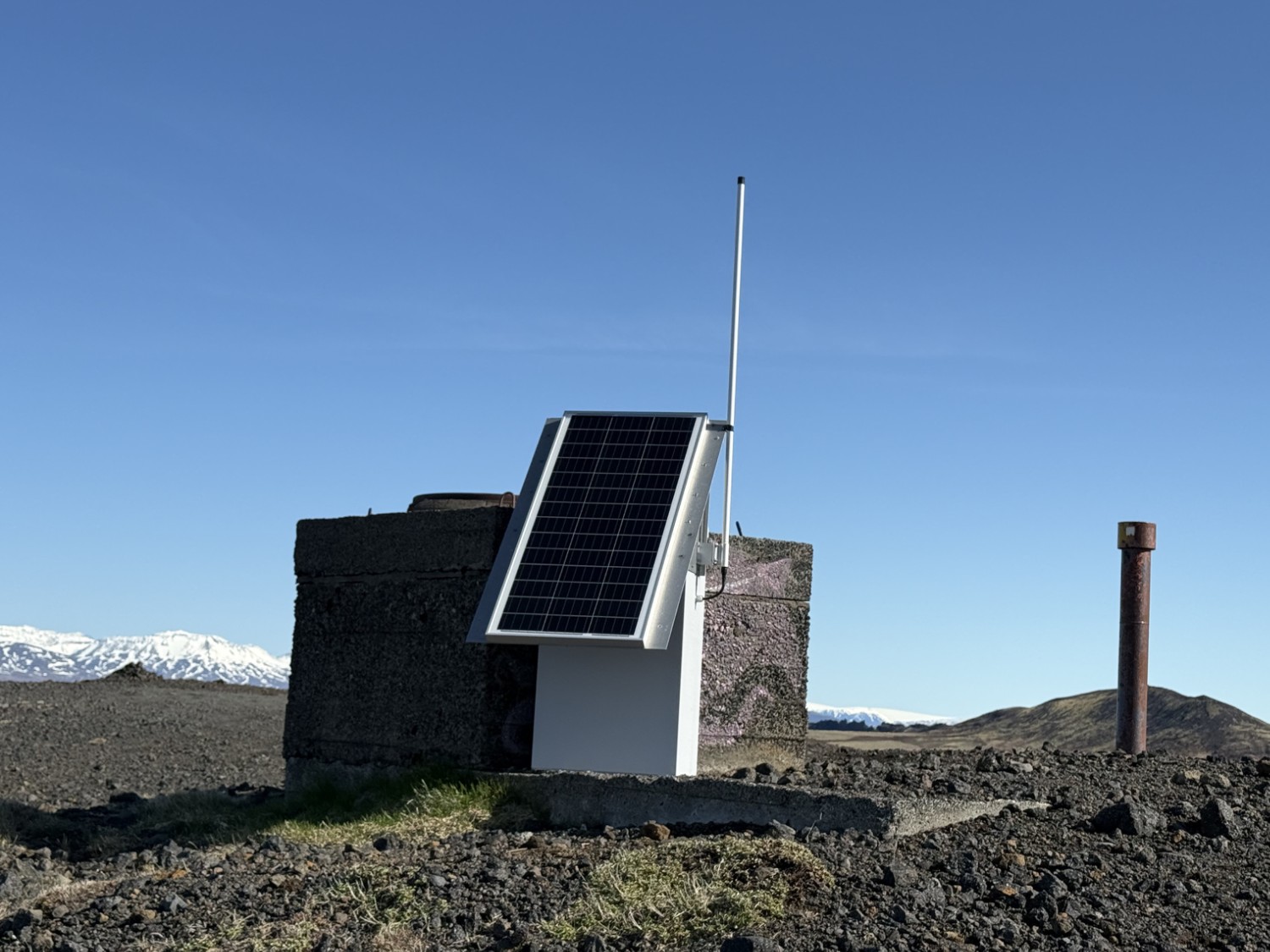
LoRaWAN has enabled smart monitoring of the system using sensors connected to communication modules. This system has helped reduce costs by eliminating site visits, improve data reliability and sustainability by minimizing travel-related emissions, and increase operational efficiency by reducing downtime and optimizing resource allocation.
Valencia: Managing urban noise through lights
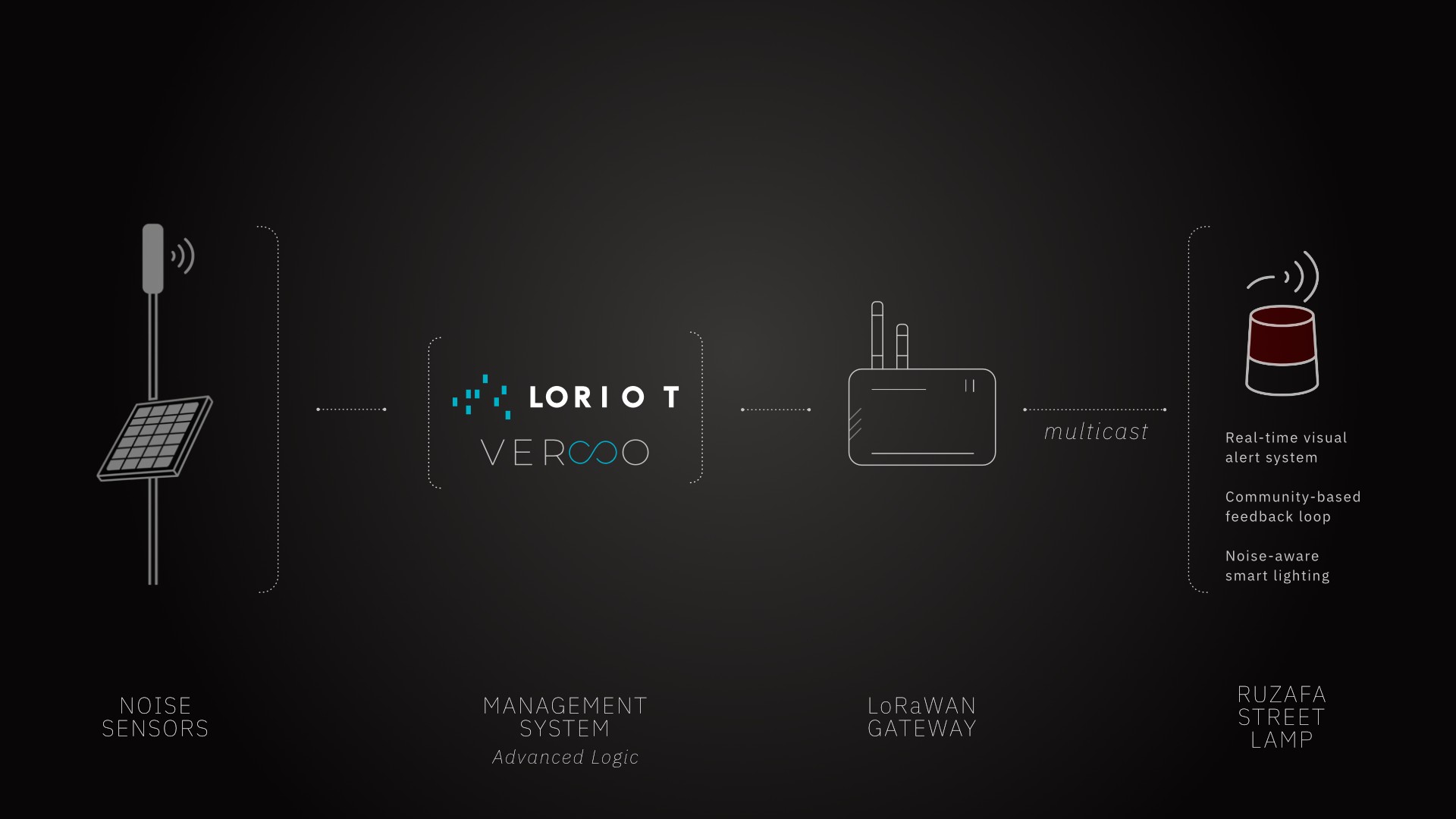
Urban noise generated by bar and restaurant terraces in Valencia was creating conflict between residents and restaurant owners. The traditional response in these cases, when residents complain about noise, is generally limited to enforcing regulations, which can lead to confrontation between the two sides. However, by incorporating LoRaWAN sensors that provide real-time visual feedback, residents and businesses have been empowered to coexist more sustainably.
Street noise becomes more of a problem around bar and restaurant terraces during the summer months. In Valencia’s Ruzafa district, a different approach was adopted with the development of a real-time visual noise alert system. The system is straightforward: noise sensors monitor sound levels on the street, causing wireless lights to change color when predefined noise thresholds are exceeded. When the light turns red, customers are expected to lower their voices to reduce the noise level. Once normal levels are restored, the light returns to its original color. This solution has encouraged self-regulation, improved residents’ quality of life, and avoided the need to impose fines.

These cases show how LoRaWAN technology, with its ability to connect long-range, low-power, low-cost sensors, enables cities to anticipate problems, optimize resources, and improve urban coexistence. Smart cities are becoming increasingly efficient, sustainable, and safe.
This content was created in collaboration with LoRa Alliance.
Images | Russafa (Loriot), Iceland (Loriot), Kamstrup (Kamstrup)