Towards more walkable cities
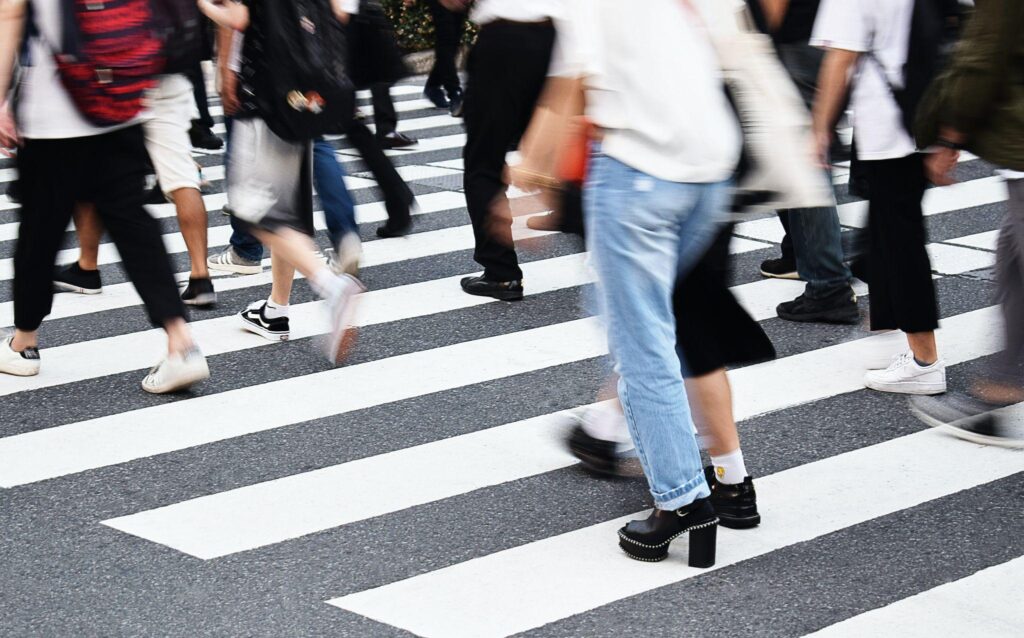
Walkable cities are those that establish policies designed to create more areas for pedestrians as a way of responding to environmental pressures and the need to live in healthier environments.
Gated communities: advantages and disadvantages for cities
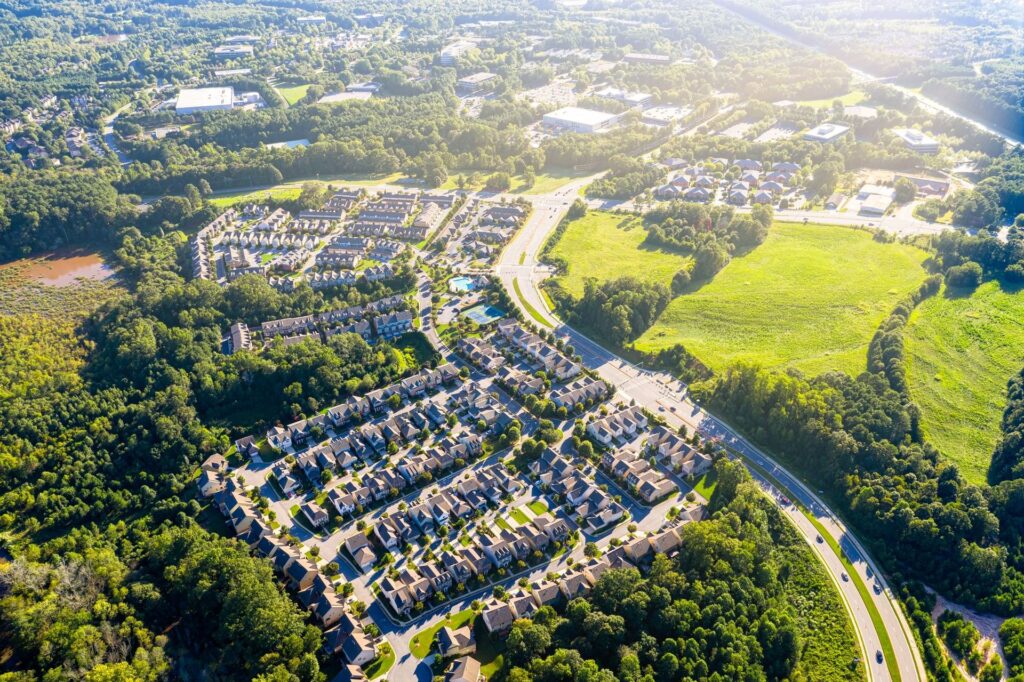
It seems inevitable that social differences will also affect physical urban spaces too. We see this in a very simplified way with expressions like “rich neighborhood” and “poor neighborhood”. However, certain communities have taken the trend one step further by establishing physical barriers between groups of houses and the rest of the city.
Ville Radieuse: Why did Le Corbusier’s Radiant City fail?
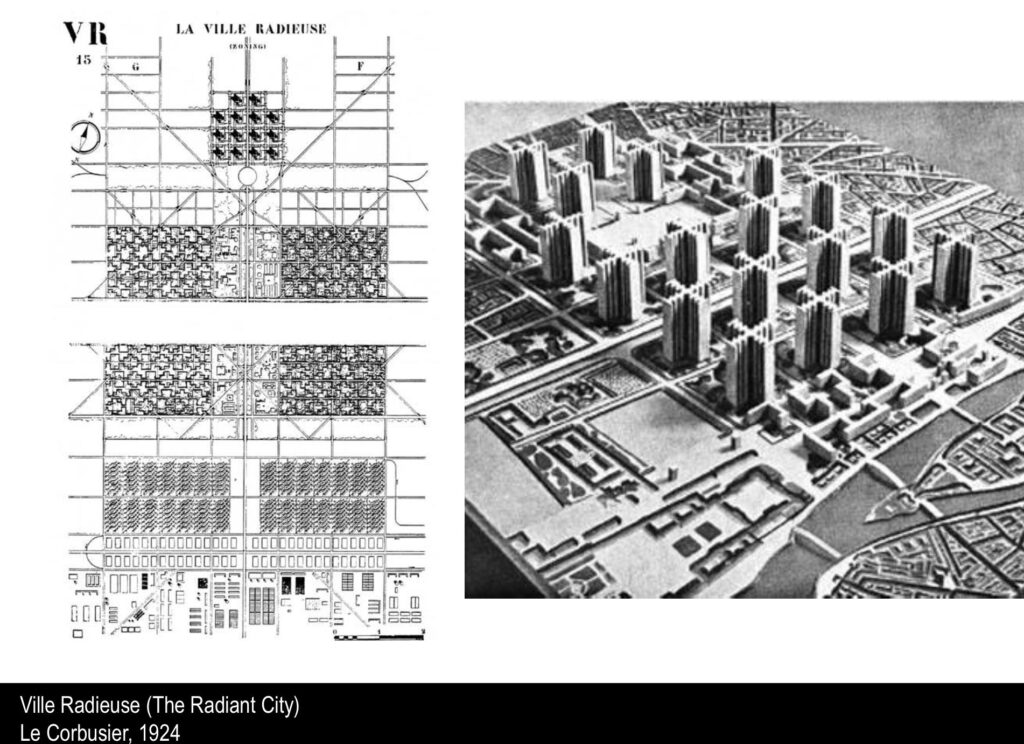
If he had just stuck to designing cities, Le Corbusier would have been a frustrated urban planner without the revered status of architect that he has today. Why did such an admired architect fail so miserably as an urban planner? His project for Paris, the Radiant City, answers this question.
Cybersecurity risks of smart city technologies: A conversation with Alison Post and Alex Pan

31/08/2021 – Federal News Network
Post-pandemic return to work trends report
30/08/2021 – Boston.gov
Why the shutters are coming down on many of Spain’s Chinese bazaars

29/08/2021 – El País
These are the U.S. cities where managers are most—and least—likely to embrace hybrid work
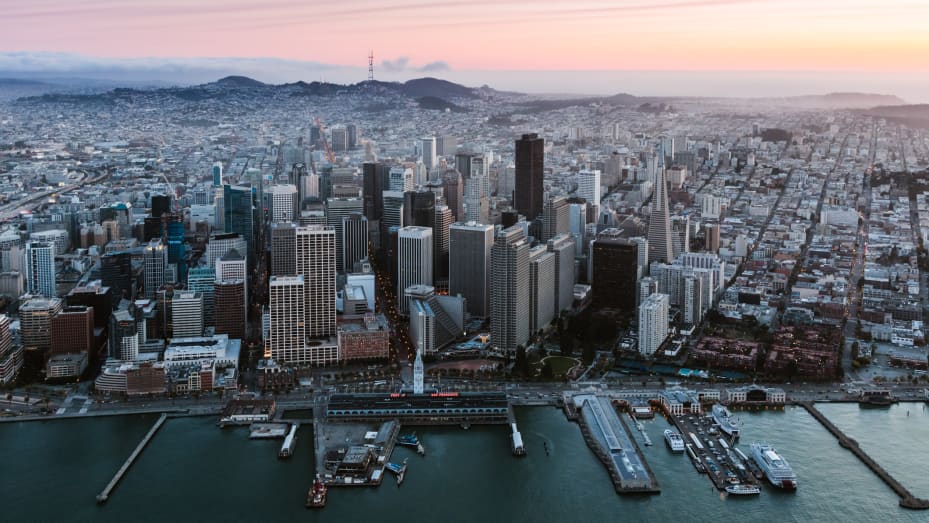
28/08/2021 – CNBC
This European capital has overtaken Tokyo and Singapore as the world’s safest city
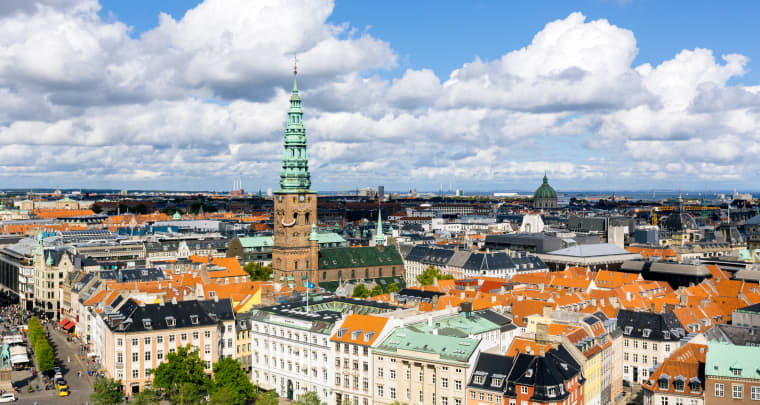
27/08/2021 – CNBC
Inside an audacious plan to revive some of America’s most troubled industrial cities

26/08/2021 – Fast Company
Smart City Big Data as a Service (BDaaS) Market Top Keyplayers operating: IBM (US), Oracle (US), Microsoft (US), Google (US), AWS (US) etc.

25/08/2021 – Research Interviewer