Open government and citizen participation: a journey through history – Infographic
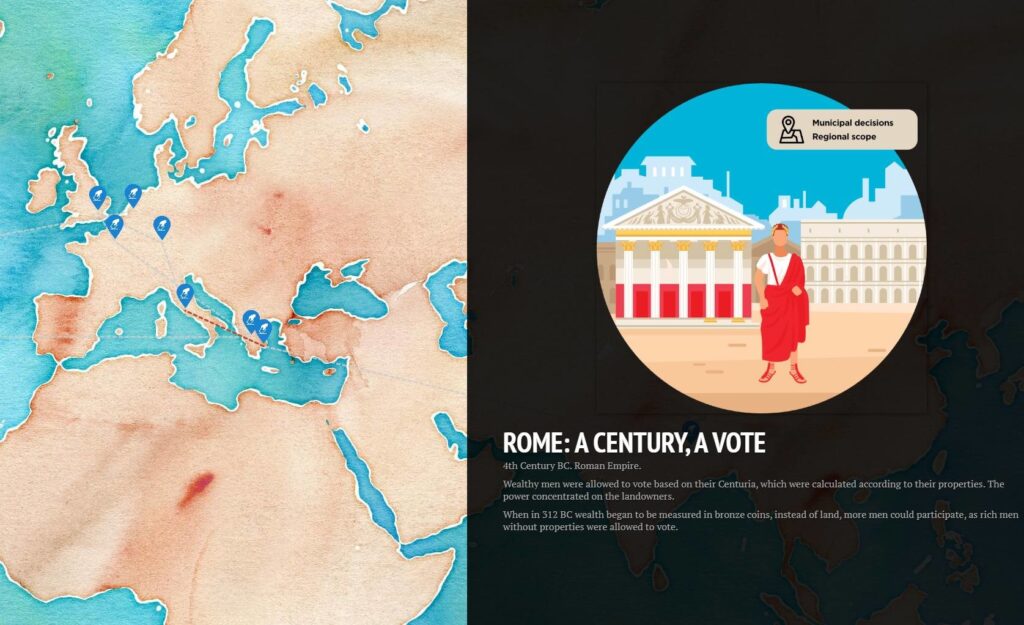
One person, one vote was not always the case. Citizen participation in democracy has evolved throughout history. Find out how it evolved chronologically.
How does a city face the pandemic – Infographic

Not all cities reacted in the same way to the pandemic, but the same mitigations and protective measures are being implemented all over the world.
Copenhagen’s green future is built on the rooftops

Newer buildings in Copenhagen must incorporate green roofs. They improve air quality, soak up excess water and help with to reduce the need for AC.
Pontus Westerberg, UN-Habitat: “People need to be allowed to offer their own solutions to the problems in the places in which they live”

UN-Habitat’s Pontus Westerberg leads an innovative program that has citizens offering their own ideas about urban design using the video game Minecraft.
Technology in schools with an impact in and out of the classrooms

From GPS locators to prevent truancy to Big Data to improve reading rates and fluency. Tech in schools also belongs outside the computer lab.
How and why do cities die?

Cities are living organisms. They have an origin and many of them even had an end. But how do cities die?
Digital natives, technological illiterates?

The most recent generations have been described as digital natives, but they are actually tech illiterate, which can become hugely problematic
New COVID-19 outbreaks: this is what the hammer and the dance will be like

Is it possible to mitigate the COVID-19 new outbreaks through a mitigation or suppression strategy? These are the current results.
Three science fiction cities that predicted the future

Science fiction address challenges and solutions that are all too familiar. Metropolis, Hyperion y Minority Report were well ahead of their time.
Brussels will digitise the management of its historic buildings in the interests of sustainability

Brussels is monitoring some of its older buildings in order to detect and fix inefficiencies through their digitalization