Reflective Pavement: How Phoenix Is Combating Extreme Urban Heat

High temperatures are no longer a problem confined to summer or specific regions of the world. Climate change has intensified extreme heat, exposing people to high temperatures for more hours each day and more days each year. Cities have become particularly vulnerable, as the way they are built has created urban heat islands. Climate adaptation therefore requires rethinking urban design and introducing cooling solutions that help reduce perceived temperatures.
The future of cities lies in data
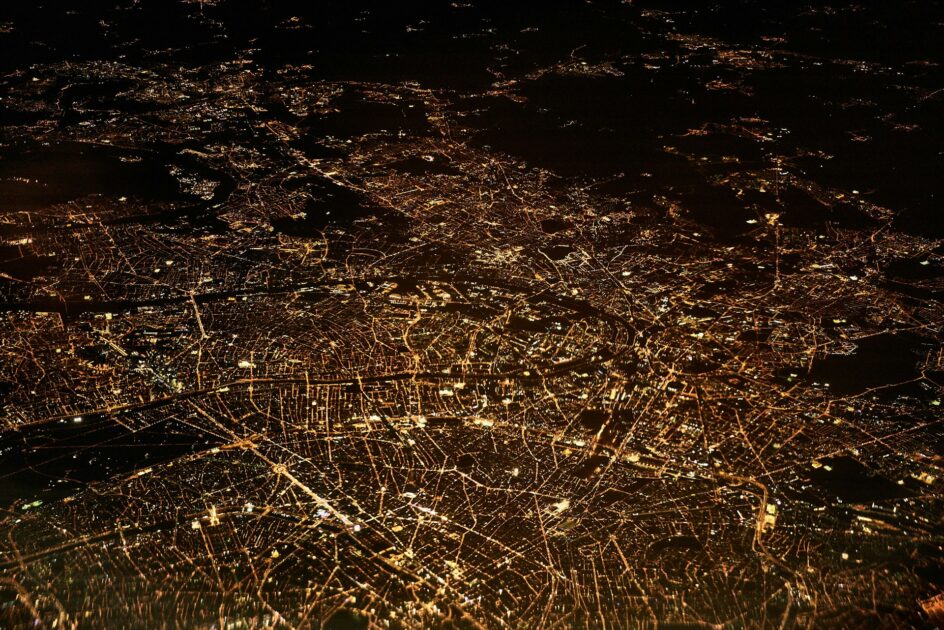
The mantra in the technology sector is that data is the new oil. To justify this categorical statement, one simply has to realize that, in both cases, we have before us a new, powerful, extremely lucrative and rapidly growing market.
The Data Centre Dilemma: Can Cities Afford the AI Boom?

Some see it as a kind of gold rush, while others view it as the next great industrial revolution, one that no one can afford to miss out on. The artificial intelligence boom and its many applications come with significant infrastructure requirements. Data centers are the cornerstone of this infrastructure.
Ocean Ecostructures: what if ports could help regenerate marine life?

Can ports become allies of ocean regeneration? Explore how Ocean Ecostructures is boosting biodiversity and ecological functions in coastal infrastructure.
The jobs building tomorrow’s cities: urban roles that barely existed ten years ago
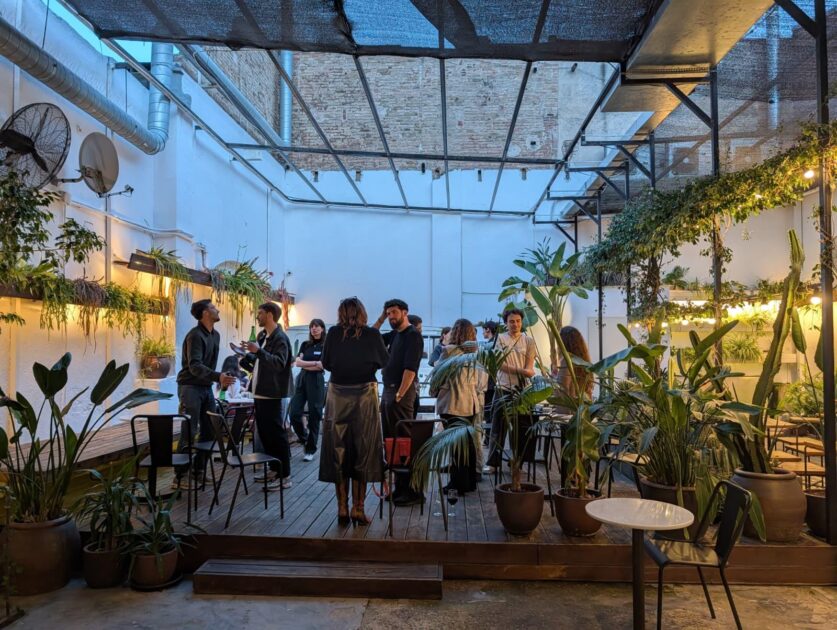
Explore the new urban roles driving smarter cities, including heat, data and AI experts, and the skills professionals need to thrive in the urban sector.
The New Urban Cybersecurity Front: Why Water Systems Are a Target

Cyberattacks on water systems have increased worldwide in recent years. Water treatment plants have become prime targets for cyberattacks due to their critical role in industrial operations and the daily functioning of cities.
The Rise of Intermediate Cities in the Talent Race
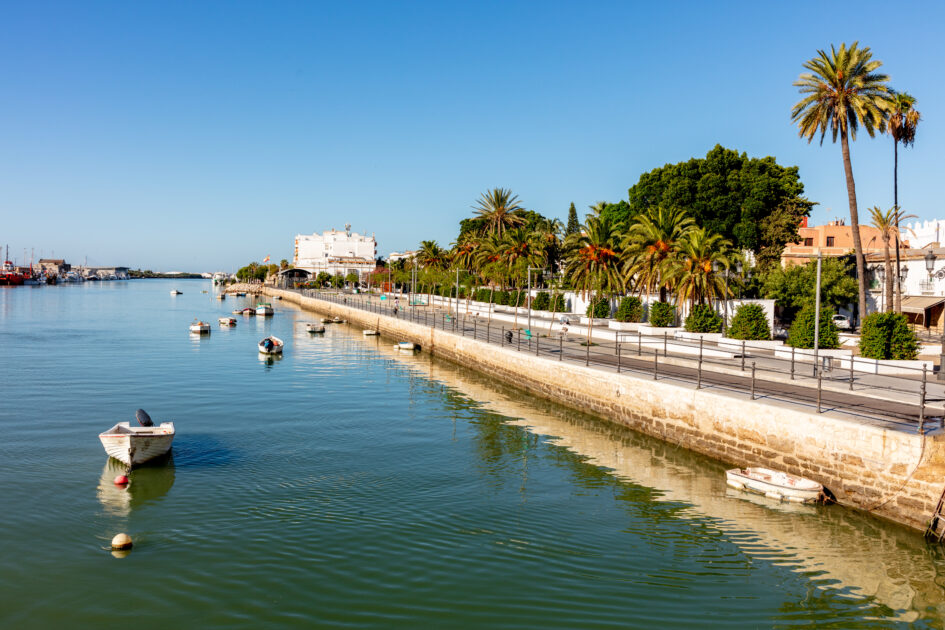
Affordable housing, shorter commutes, and greater livability are helping intermediate cities like El Puerto de Santa María, Spain, win the race for talent.
City Resilience Framework: what if resilience is not about going back, but moving forward?
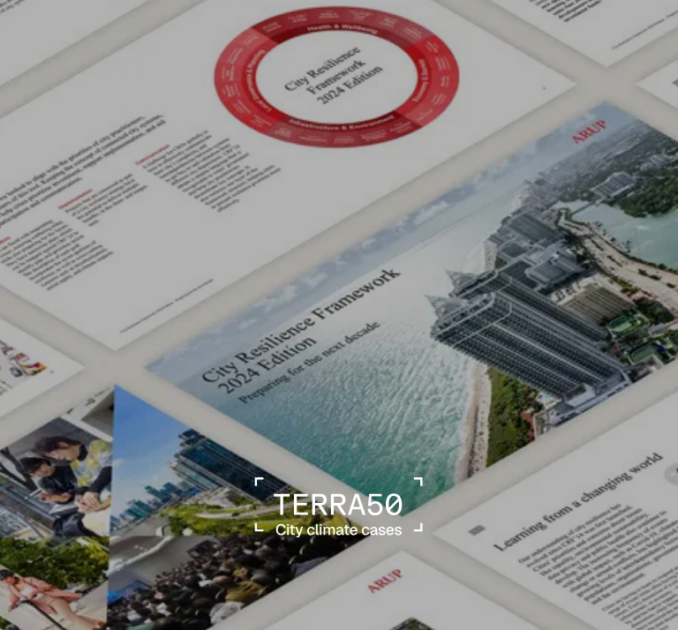
Learn how the City Resilience Framework helps cities address climate risks, infrastructure challenges, and social vulnerabilities through a systems approach.
Innovation is the currency of cities

Cities are racing to adopt AI but often lack the budget and expertise. EU Cities Gateway is sharing solutions, skills and data to accelerate progress.
Toronto’s AI Planning Revolution: Can AI Make City Permits Faster?

Toronto is testing artificial intelligence to conduct preliminary reviews of building permit applications. To this end, the city has created the CivCheck platform, where applicants upload plans and documents for AI review before formally submitting them as part of the municipal permit application process.