Europe’s Housing Supply Bottleneck: Can Faster Planning Unlock More Homes?

Statistics show that home purchase prices in Europe have risen by an average of 60% over the past fifteen years, while rents have increased by 30% over the same period. This has made life considerably more difficult for residents, particularly certain demographic groups.
Managing Urban Space in the E-Mobility Transition

An exploration of how the electric mobility transition is reshaping urban space allocation and transforming approaches to public and private fleet management in cities.
TAMM Global: Inside Abu Dhabi’s Exportable AI-Native Government Blueprint
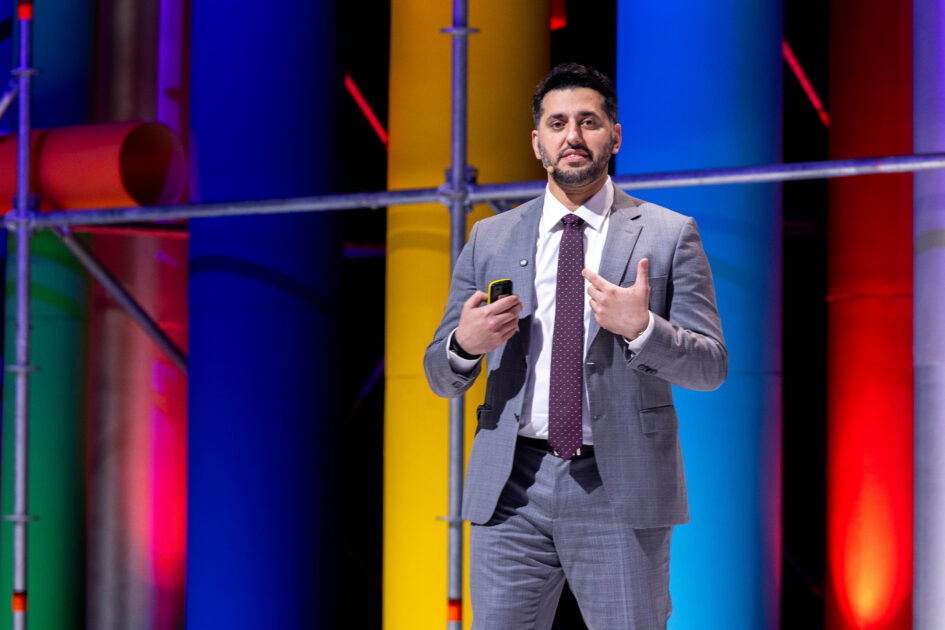
Discover how Abu Dhabi built TAMM around the needs of citizens and residents, embedded AI across the service experience, and is now taking that model global.
Brain-Positive Cities: Urban ecosystems for Human flourishing. Insights from neuroscience

What if the cities of the future were designed not only to be smarter and greener, but also to help people think better, be more autonomous, feel better and flourish?
From innovation to impact: the future of urban mobility takes centre stage at TMWC26
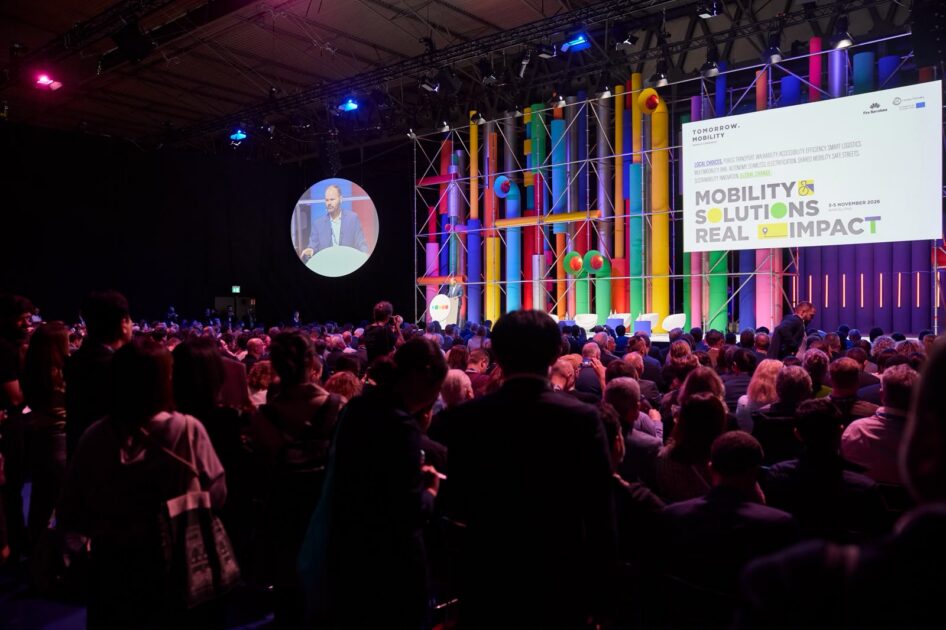
Discover key insights from Tomorrow.Mobility World Congress 2026, where 29,700+ participants explored scalable, sustainable urban mobility solutions.
Trusted Intelligence in Action: Tampere’s City Experience Assistant with Microsoft
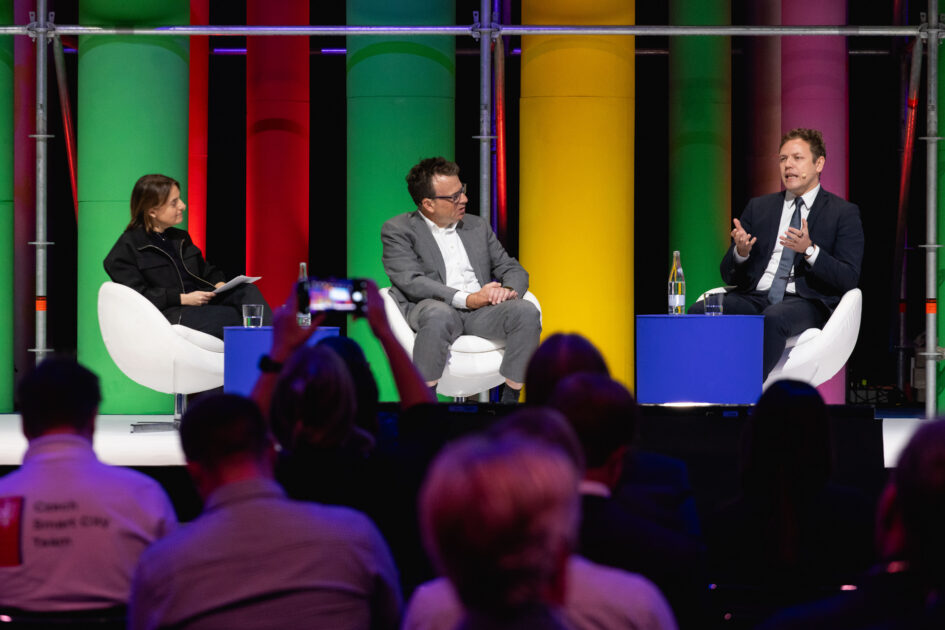
Tampere and Microsoft transformed AI strategy into a trusted city assistant, simplifying access to services and improving resident and visitor experiences.
By the City, for the City: Making AI Work

City leaders and NVIDIA explore how cities apply AI to improve services while addressing trust, skills, cost and implementation challenges.
From AI Factories to Intelligent Cities
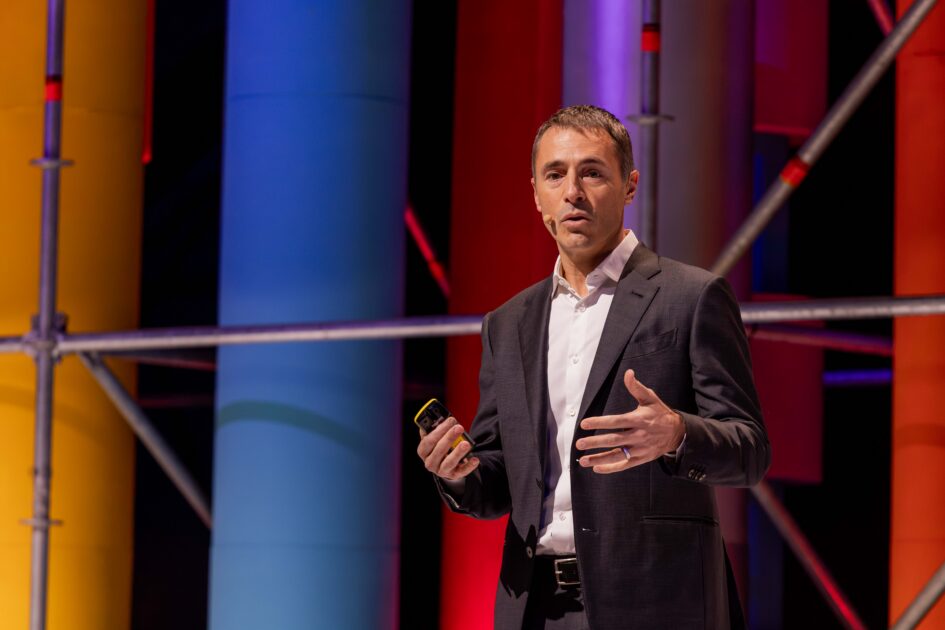
Join Paolo Guglielmini, Vice President of EMEA at NVIDIA, to discover how AI factories, physical AI and local partners can help cities improve public services.
Isla Urbana: what if every rooftop became a small-scale water infrastructure and a source of knowledge?

Learn how Isla Urbana transforms rooftops into water infrastructure, providing communities with a sustainable water source.
The future of livable cities is also measured by time
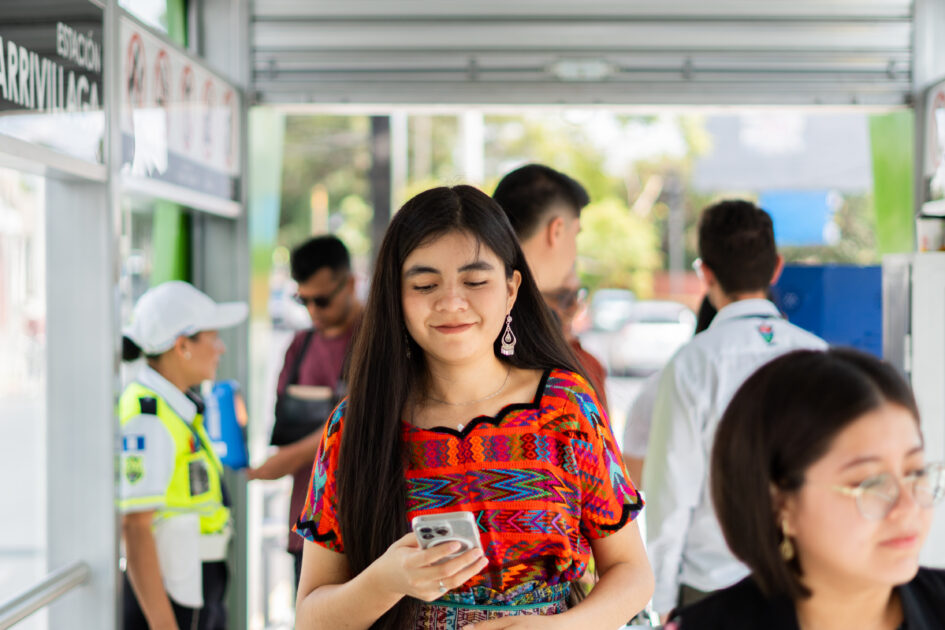
How cities organize time affects equality, well-being, and opportunity. A closer look at care-centered urban planning and public policy for more livable cities.